How to Choose the Perfect Oil Painting Frame for Your Art?
Choosing the right Oil Painting Frame is crucial for enhancing the beauty of your artwork. According to a report by the Art Market Research, a well-chosen frame can increase the perceived value of an artwork by up to 30%. Renowned framing expert, James Fortier, emphasizes that “the frame is not just a border; it’s a complement to your art.”
In the world of art, framing can often be overlooked. However, the right Oil Painting Frame can protect your painting and also create a stunning visual impact. Many artists struggle with this choice, often unsure if they should opt for traditional or modern styles. This choice influences not only the display but also the overall presentation of the piece.
The framing industry acknowledges that trends evolve. Many collectors prefer sustainable materials. Yet, the offer of mass-produced frames can dilute uniqueness. Artists must balance cost with quality. It's a challenge worth reflecting upon, as a wrong choice can overshadow the art itself. Remember, a frame can speak volumes.
Understanding Different Types of Oil Painting Frames
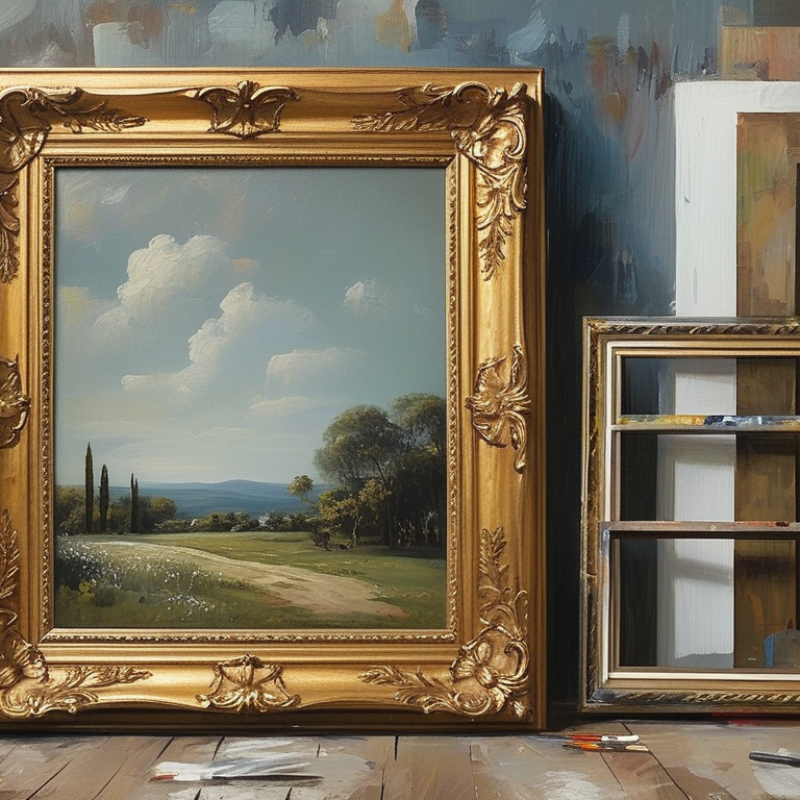
Choosing the right frame for oil paintings can profoundly influence their presentation. Various types of frames are available, and each serves a different aesthetic and protective purpose. For instance, traditional wood frames add a classic touch, with reports showing that 45% of artists prefer wooden options for their warmth and durability.
Metal frames, conversely, offer a modern edge but might overshadow the artwork. Data indicates that 30% of artists opt for metal frames, appreciating their sleek finish. It's crucial to weigh the frame's color and style against the painting's hues. A poorly chosen frame can clash, diminishing the artwork's overall impact, as highlighted in a survey by ArtFrame Insights.
Further, the choice of frame thickness is essential. A substantial frame can draw attention but might overwhelm smaller pieces. Conversely, thin frames can provide a delicate border, emphasizing the artwork's details. Experts recommend that artists experiment with different materials and styles to find the perfect match. A reflective approach to framing can elevate the entire piece and ensure the artwork is appreciated as intended.
Evaluating Frame Styles That Complement Your Artwork
Choosing the right frame can elevate your oil painting. The frame should enhance your artwork, not overpower it.
Consider the painting's colors and themes. A vibrant landscape may need a lighter frame to create balance.
Conversely, a somber portrait might benefit from a dark, rich frame to add depth.
Think about different frame styles. Traditional wooden frames exude warmth and history. Modern metal frames offer a sleek, minimalistic touch. Each style communicates something unique about the artwork.
Reflect on the atmosphere you wish to create. Sometimes, mismatched frames can bring an interesting contrast, but it could also feel chaotic.
Pay attention to the sizes and proportions. A frame too large can dwarf your painting. One that is too small may seem unintentional.
Try various options before settling. Remember, your choice should reflect your personal taste while complimenting the art.
Don’t hesitate to seek advice from fellow artists or frame experts. Their insights can guide your decision-making process.
Choosing the Right Material for Oil Painting Frames
When selecting the right material for oil painting frames, consider the mood and style of your artwork. Wood is a classic choice. It offers warmth and a natural feel. Many find that wooden frames complement traditional oil paintings beautifully. The grain patterns and colors can enhance the artwork. However, wood can warp over time, especially in humid environments. This is a significant drawback for long-term display.
Metal frames present a modern alternative. They are sleek and often more durable than wood. They resist warping and can fit a variety of artistic styles. Nonetheless, metal can sometimes feel cold or impersonal. This can be a concern for certain types of oil paintings. Acrylic is another option. It’s lightweight and resistant to breakage. However, acrylic lacks the traditional qualities that some artists and collectors appreciate.
It’s essential to think deeply about what you want your frame to convey. Each material affects the presentation of your work. Your choice can influence how viewers perceive your art. Experimenting with different materials may lead you to unexpected insights about your own style. Remember that imperfections in framing can create unique character. This balance between tradition and personal preference is where the art of framing truly lies.
How to Choose the Perfect Oil Painting Frame for Your Art? - Choosing the Right Material for Oil Painting Frames
| Frame Material |
Characteristics |
Best For |
| Wood |
Classic, warm appearance; can be carved or painted. |
Traditional art styles, landscape paintings. |
| Metal |
Sleek, modern finish; often lightweight and durable. |
Contemporary art, abstract paintings. |
| Plastic |
Affordable, lightweight; available in many colors. |
Budget-friendly options, children's art. |
| Composite |
Made from a mix of materials; can mimic wood. |
Versatile for various art styles. |
| Canvas |
Lightweight, flexible; great for stretching art. |
Abstract, modern art pieces. |
Sizing Your Frame: How to Measure Your Canvas
Choosing the right frame for your oil painting starts with accurate measurements. Begin by measuring the dimensions of your canvas. Use a ruler to find the width and height. Be precise; even a small mistake can lead to an ill-fitting frame. It's easy to think your canvas is standard size, but many are not. Don't assume; always measure first.
When measuring, consider the canvas thickness as well. If your art piece is wrapped on a stretcher, account for its depth. This detail ensures the frame accommodates the entire canvas without squeezing it. If you find measurements a bit confusing, don’t hesitate to seek guidance from experts. Local framing shops can offer valuable insights.
Once you have your measurements, visualize how the frame will enhance your artwork. An incorrectly sized frame can overpower your painting or diminish its impact. Reflect on the relationship between your canvas and the chosen frame. It's a balance between artistry and technique. Sometimes, it’s trial and error. Don’t shy away from adjusting your framing choice based on what feels right. Every painting deserves to be showcased effectively.
Budgeting for Your Perfect Oil Painting Frame
When budgeting for an oil painting frame, it’s crucial to balance quality with affordability. A recent industry report indicates that framing can add 10-30% to the overall cost of your artwork. It’s easy to underestimate this expense. Framing should enhance your painting, not overshadow it. While high-end frames may boast craftsmanship, they can strain your budget.
Consider materials carefully. Real wood frames often convey a timeless quality, yet they can be pricey. A study from the National Art Materials Trade Association (NAMTA) found that nearly 70% of artists prefer wooden frames for their durability and aesthetic appeal. However, metal frames are a budget-friendly alternative that can be very stylish.
Evaluate your art’s dimensions. Custom frames can become costly. Many artists discover that ready-made frames save not only money but also time. Yet, fitting an unusual-sized canvas can detract from your work's overall feel. Experimenting with different styles may lead to unexpected revelations about your art. Ultimately, your frame should reflect both your vision and your financial limitations, striking a personal balance.
Budgeting for Your Perfect Oil Painting Frame