What is Study Art Frame and How Can It Enhance Your Creativity?
In the world of creativity, the concept of a "Study Art Frame" can be a powerful tool. Experts emphasize its importance in enhancing artistic expression. Dr. Emily Hartman, a prominent figure in the art education field, once stated, “A Study Art Frame invites both reflection and inspiration; it shapes the way we perceive our creativity.”
The Study Art Frame serves as a structured environment where artists can experiment. It encourages individuals to push boundaries and explore new ideas. By providing a designated space, it helps in organizing thoughts and refining skills. However, the challenge lies in overcoming the fear of failure. Many artists hesitate, worried that their experimentation may not yield perfect results.
Understanding the dynamics of a Study Art Frame can lead to personal growth. The imperfections encountered during this creative process are vital. They prompt a deeper understanding of one’s artistic journey. In this light, the Study Art Frame emerges not just as a tool but as a mindset, nurturing creativity in unpredictable ways.

Definition and Purpose of Study Art Frame
The Study Art Frame is a unique tool designed to enhance the creative process. It serves as a structured guideline for artists, helping them focus their ideas and refine their techniques. This concept encourages self-reflection and personal interpretation in art creation. By using a Study Art Frame, individuals can frame their thoughts and perspectives, leading to deeper engagement with their artwork.
Tips for effective use of the Study Art Frame include breaking down your creative process. Identify the elements that resonate most with you. Focus on different aspects of your art, such as color, form, and emotion. This structured approach can help you navigate complex artistic decisions while maintaining clarity in your vision.
Another tip is to embrace imperfections. Allowing mistakes to occur can lead to unexpected insights. Sometimes, a smudge can inspire a new direction. Reflect on what works and what doesn’t. This reflection is essential for growth. The Study Art Frame can guide this journey, providing a reliable method to explore your creativity fully. Embrace the process; it’s as important as the final piece.
Key Features of Study Art Frame
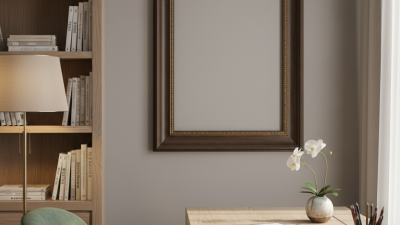
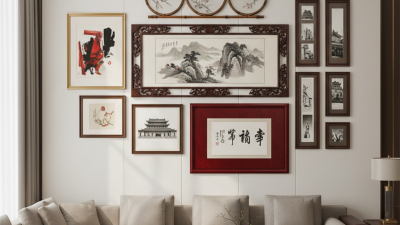
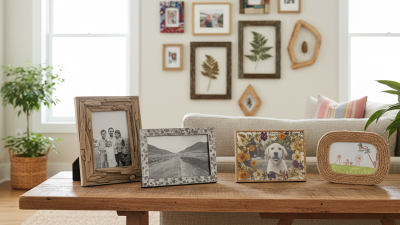
The Study Art Frame offers unique features that can significantly enhance creativity. One of its key elements is the ability to display artworks or notes. This visibility encourages frequent engagement with ideas. Seeing your thoughts or inspirations daily sparks new connections. A well-chosen piece can evoke emotions that lead to original thoughts.
Another aspect is the versatility of the frame. It can adapt to various styles and settings. Whether in a home, studio, or classroom, it blends seamlessly. You can switch out the contents easily, providing fresh perspectives. This not only keeps your environment dynamic but also inspires ongoing creativity.
Incorporating imperfection is a vital feature too. The frame allows for spontaneous sketches or rough drafts. These don’t need to be polished. Instead, they invite exploration and reflection. Making mistakes can be a pathway to innovation, pushing creative boundaries. This embrace of the imperfect creates a safe space for growth through creativity.
How Study Art Frame Fosters Creative Thinking
The Study Art Frame is a powerful tool for unlocking creativity. It cultivates an environment that encourages innovative thinking. According to a report from the Creative Industries Federation, environments that stimulate creativity can increase idea generation by up to 50%. This emphasizes the importance of creating spaces that inspire reflection and imaginative thought.
By incorporating thought-provoking visuals into the Study Art Frame, individuals are challenged to think outside the box. Engaging with dynamic imagery fosters unique perspectives. The National Endowment for the Arts found that participation in visual arts activities boosts cognitive abilities and creative confidence among individuals. When faced with creative blocks, a change in visual stimuli can make a significant difference. It nudges us to explore different approaches.
However, the effectiveness of the Study Art Frame isn’t absolute. Not everyone responds to visual stimuli in the same way. Some may find it distracting. Others might not connect with certain artworks. Acknowledging the individual nature of creativity is crucial. It is a journey, not a destination. Therefore, experimentation with different art choices and layouts is beneficial. This process itself encourages creative exploration and personal growth.
Creativity Enhancement through Study Art Frame
This chart illustrates the percentage boost in creativity associated with various art forms when using a Study Art Frame. As indicated, visual arts and design provide the highest percentage of creativity enhancement, promoting innovative thinking and expression.
Practical Applications of Study Art Frame in Various Fields
The Study Art Frame is a versatile tool that can significantly influence creativity across various fields. In education, a 2021 report from the National Art Education Association highlighted that visual learning promotes better retention of information. Incorporating art frameworks in lessons can be a game-changer. For instance, teachers using visual prompts saw a 30% increase in student engagement and comprehension. Students actively interacting with visual elements can think more critically and creatively.
In business, organizations are now adopting art-based strategies. A study by the World Economic Forum found that companies that foster creative thinking showed 65% higher innovation rates. Art frames encourage brainstorming sessions and creative workshops. When teams interact with art, they generate fresh ideas, improving collaboration. Real-world examples show businesses investing in art installations saw a boost in employee morale and creativity.
However, the application of art frames isn't always flawless. Some users report challenges in translating artistic concepts into actionable ideas. Creative blocks can occur, especially when expectations outweigh reality. This reflects the importance of understanding that creativity is an iterative process. Adjustments may be needed as individuals navigate through artistic expression and its practical usage.
Tips for Integrating Study Art Frame into Your Creative Process
Integrating Study Art Frame into your creative process can invigorate your imagination. Begin by creating a dedicated space where you can explore ideas. This should be visually stimulating yet not overwhelming. Use colors that resonate with you. Incorporate textures and inspirations that reflect your individuality. A well-structured space can ignite creativity and offer clarity.
Experiment with different artistic mediums within the Study Art Frame. Consider painting, sketching, or mixed media. Engage with each medium without the pressure of perfection. Allow mistakes to be part of the process. Sometimes, the best ideas come when we embrace imperfections. Observe how different techniques influence your mood and thought patterns. This playful approach can lead to unexpected outcomes.
Reflection is essential when using the Study Art Frame. After creating, take time to review your work. Identify what resonates and what doesn't. Ask yourself: Why did I choose this color? Did this texture convey my message? This practice can deepen your understanding of your creative choices. Over time, you'll refine your artistic voice and build confidence in your creative decisions.