Leave Your Message

7 Tips for Choosing a Wedding Memorial Box?

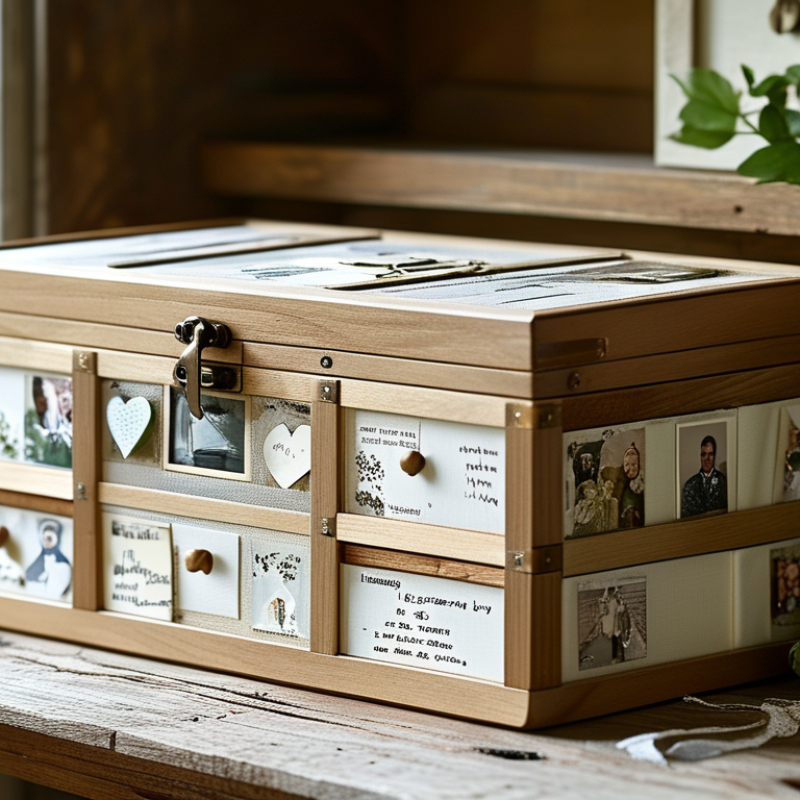
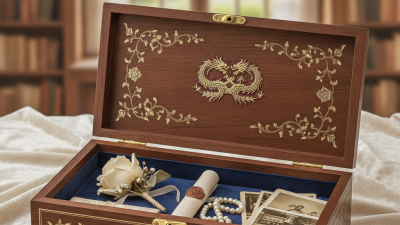
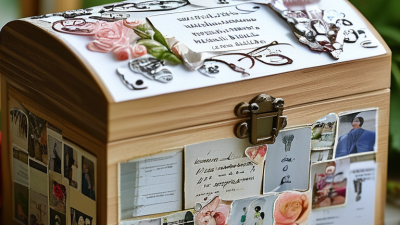
Choosing a Wedding Memorial Box is an emotional decision, not merely a decorating task. It holds photographs, handwritten vows, pressed flowers, and small details from a meaningful day. The right box should protect these items while reflecting the couple’s story. It should also feel comfortable to open years later.

David Kessler, a respected grief educator and memorial specialist, says, “Grief is not a problem to be solved, but an experience to be supported.” That idea matters when selecting a keepsake box. A memorial box cannot remove sadness. It can offer a safe place for memories, especially during quiet moments. Look closely at its materials, hinges, lining, closure, and internal space. Acid-free interiors may help protect paper items. Solid wood can feel warm, but it may require careful storage away from damp rooms. Fabric-lined compartments can cushion jewelry, though some fabrics collect dust.

Think about daily reality. Will the box sit on a shelf, or remain stored in a closet? Can an older family member open it easily? Is the engraving readable? These details are easy to miss. Honestly, there is no perfect choice. Some families change their minds later. That is normal. The best Wedding Memorial Box balances protection, personal meaning, and practical use. These seven tips will help you compare options with care, patience, and fewer regrets.

7 Tips for Choosing a Wedding Memorial Box?

Define the Memorial Purpose with NFDA’s 61.9% 2024 Cremation Rate

7 Tips for Choosing a Wedding Memorial Box?

The 2024 cremation rate reported by the National Funeral Directors Association reached 61.9%. That figure reflects a common reality: many families preserve cremated remains during important milestones, including weddings. A memorial box should serve a clear purpose. Will it hold ashes, photographs, letters, or several small keepsakes? Write this down before comparing designs.

Measure the urn carefully. Allow extra space for a sealed bag, fabric lining, or a small note. Check the box’s interior height and opening size. A secure clasp matters, but it should not make access difficult. Wood can feel warm and traditional. Metal may provide stronger resistance to moisture. Glass offers visibility, though fingerprints and breakage require attention. It is not always practical.

Consider the wedding setting, too. A box displayed near flowers may face spills, sunlight, or crowded tables. Choose a stable base and avoid loose decorations. Ask a funeral professional whether the container suits the remains and storage conditions. Confirm the spelling of names and dates before engraving. I once assumed appearance mattered most. It did not. A beautiful box can still feel wrong if its size, symbolism, or handling does not fit the family’s actual needs. Personal comfort deserves equal weight.

7 Tips for Choosing a Wedding Memorial Box? — Define the Memorial Purpose with NFDA’s 61.9% 2024 Cremation Rate

Tip Memorial Purpose Relevant Data or Fact What to Look For in the Box Practical Checklist
1 Decide whether it will hold ashes, keepsakes, or both 61.9% cremation rate
The National Funeral Directors Association projected that cremation would account for 61.9% of U.S. dispositions in 2024, compared with 36.2% for burial.
Choose a box designed for the intended use. A keepsake box can hold photographs, letters, jewelry, or ceremony items, while an urn-style memorial box requires a secure interior compartment and appropriate capacity.
  • Confirm the contents before purchasing.
  • Measure the urn or keepsake items.
  • Allow extra interior space for protective wrapping.
2 Match the capacity to the memorial contents Cremated remains are commonly transferred in a temporary container or urn after cremation. Capacity must therefore be verified from the crematory or funeral provider rather than estimated from appearance alone. Select an interior that is wider, taller, and deeper than the item being stored. For mixed keepsakes, adjustable dividers or removable trays improve organization.
  • Record the contents’ length, width, and height.
  • Check the usable interior dimensions.
  • Do not rely only on external measurements.
3 Choose materials for long-term preservation Paper, fabric, photographs, and untreated metals can be affected by moisture, heat, light, and pollutants. Stable storage conditions help reduce deterioration. Prefer a rigid construction with a close-fitting lid, smooth interior surfaces, and inert or low-acid lining materials. Avoid direct exposure to sunlight and damp locations.
  • Look for a sturdy wood, metal, ceramic, or archival-quality structure.
  • Check that the lining does not shed fibers.
  • Store indoors in a cool, dry place.
4 Protect privacy and physical security Memorial contents may include irreplaceable personal information and sentimental objects. A secure closure helps prevent accidental opening or unauthorized access. Consider a locking mechanism, concealed hinges, or a tamper-evident closure when privacy is important. For frequent handling, choose a closure that is secure but easy for authorized family members to operate.
  • Test the hinge and latch before use.
  • Keep keys or access codes in a known location.
  • Decide who is authorized to open the box.
5 Select a design that reflects the couple and the person remembered A wedding memorial can be displayed during the ceremony, reception, anniversary, or another family gathering. Its appearance should suit both the event setting and the memorial purpose. Choose a finish, inscription area, color, and decorative style that complements the wedding décor without obscuring the significance of the memorial.
  • Coordinate with the ceremony color palette.
  • Review engraving or lettering for accuracy.
  • Keep personalization respectful and legible.
6 Plan for transport and ceremony use Memorial boxes may be moved between a home, ceremony venue, reception space, and long-term storage. Repeated handling increases the importance of stable construction. Look for manageable weight, reinforced corners, a flat base, and a lid that remains closed during normal movement. A protective case can provide additional protection during transport.
  • Check the packed weight and carrying comfort.
  • Use padding that does not trap moisture.
  • Keep the box upright when the contents require it.
7 Create a clear future-care plan The appropriate final arrangement depends on family preferences, cultural or religious practices, local requirements, and the wishes of the deceased. These considerations should be confirmed before the ceremony. Select a box that can remain safely stored, be placed in a memorial location, or be transferred according to the family’s documented plan. Avoid making irreversible modifications until the plan is settled.
  • Record the box contents and date of placement.
  • Discuss future custody with close family members.
  • Confirm any applicable local or venue requirements.

Data note: The 2024 cremation and burial figures are based on the National Funeral Directors Association’s 2024 projected U.S. disposition rates. Selection guidance is general information; confirm capacity, handling, and legal or cultural requirements with the relevant funeral professional or authority.

Size the Interior for Keepsakes and The Knot’s 117-Guest Wedding Scale

7 Tips for Choosing a Wedding Memorial Box

Size the Interior for Keepsakes and a 117-Guest Wedding Scale

A wedding memorial box should fit real memories, not just look beautiful on a shelf. For a 117-guest wedding, choose an interior near 12 by 9 by 4 inches. That space can hold invitations, vows, table cards, several photographs, and small fabric details. Measure the largest item first. A box that feels spacious may become crowded quickly.

Choose a sturdy material with smooth edges and a secure lid. Protect paper with acid-free envelopes or tissue, and keep metal pieces separate from photographs. Add adjustable dividers if the collection may grow. Leave about 20 percent empty space. Memories rarely arrive in perfect sizes. Consider a hidden note pocket for dates, names, and short explanations. Future readers may not recognize every object.

Avoid selecting a box only by guest count. The 117-guest scale estimates paper volume, but traditions differ. One couple may save handwritten notes; another may preserve ceremony programs and dried flowers. Test the fit with sample items before ordering. I would also place the box in its intended room for a day. A heavy lid, awkward handle, or poor shelf depth can matter more than expected. Choose simple decoration that will still feel appropriate years later.

Choose Materials for Preservation: Library of Congress RH Is 30–40%

Choosing a Wedding Memorial Box: Materials Matter

The Library of Congress recommends keeping relative humidity near 30–40% for many collections. This range helps slow mold, corrosion, and paper deterioration. Stability matters as much as the number. Sudden changes can stress fibers, photographs, and delicate fabric.

Choose an acid-free, lignin-free box with a strong, clean structure. These materials reduce yellowing and chemical transfer over time. Line the interior with archival tissue, not ordinary wrapping paper. Avoid PVC plastics, scented fillers, untreated wood, and dyed materials. They may release chemicals or transfer color. A small digital hygrometer can monitor conditions inside the storage area. Keep the box away from kitchens, bathrooms, windows, and heating vents.

Different keepsakes need different support. Folded clothing should rest loosely, with tissue inside deep creases. Photographs should remain flat and separated. Dried flowers need space because they crumble easily. A ring can sit in a small acid-free compartment, preventing scratches against metal or glass. I would not treat 35% RH as a magic number. Local weather, building conditions, and the box design can change the result. Check the environment every few months. Something may look perfectly dry while slowly absorbing moisture. That detail is easy to miss.

7 Tips for Choosing a Wedding Memorial Box: Choose Materials for Preservation

Relative humidity should remain stable rather than fluctuating. The Library of Congress generally recommends 30–40% RH for many paper-based collections. Photographic materials are commonly stored around 30–40% RH, while textiles and wood may tolerate approximately 30–50% RH. A sealed memorial box should be kept away from moisture, heat, and direct sunlight.

Reference: Library of Congress, “Care, Handling, and Storage of Works on Paper.”

Balance Personalization and Privacy Using the $33,000 Wedding Benchmark

A wedding memorial box should preserve emotion without exposing every private detail. Use the $33,000 wedding benchmark as a planning reference, not a fixed rule. Regional prices, guest counts, and family traditions can change the final budget. Set the box budget before choosing materials. A modest box may protect your savings better than an elaborate one.

Choose a size that fits vows, photographs, dried flowers, and handwritten notes. Select acid-free paper and a moisture-resistant lining for long-term storage. Add initials, the wedding date, or a small venue sketch for meaningful personalization. Keep sensitive letters in sealed envelopes. Consider a discreet lock if several guests will handle the box. Ask contributors what they are comfortable sharing. Privacy matters after the celebration ends.

Place the box somewhere cool and dry. Avoid attics, damp basements, and direct sunlight. A clear inventory card can help future family members understand each item. Do not include passports, financial records, or copies of private identification. Those items belong elsewhere. One honest weakness remains: sentimental choices can become expensive quickly. I once saw couples spend heavily on decoration while neglecting safe storage. Review the box after one year, then revise its contents if your comfort level changes.

Compare Prices Transparently with The Knot’s 2024 Average Wedding Spend

A wedding memorial box should fit both your memories and your budget. A 2024 Real Weddings Study reported an average wedding spend of about $33,000, excluding the honeymoon. It also recorded roughly 115 guests per wedding. Those figures make small purchases easier to judge. A $75 memorial box may seem minor, but several personal items can quickly raise costs.

Compare prices transparently. Check the box price, shipping, engraving, inserts, and return terms separately. A handmade wood box may cost more than a basic fabric case. However, it can offer stronger hinges and better protection. Look for acid-free lining, secure closures, and enough depth for vows, photographs, or dried flowers. Measure a typical invitation before ordering. Guessing creates regret.

Track the total in a simple table. Record size, materials, personalization, delivery time, and final cost. Industry wedding budget reports consistently show that guest-related and venue expenses consume the largest shares, so smaller keepsakes deserve firm limits. A useful range might be $30 to $120, depending on craftsmanship and customization. That is not a rule. It is a planning starting point.

Some listings hide customization fees.
Ask for real dimensions.

My first estimate may still be wrong. Handmade finishes vary, and sentimental value cannot be measured like lumber or hardware. Read recent customer feedback carefully, especially comments about odor, warped lids, and color accuracy. A clear comparison protects the memory without quietly damaging the wedding budget.