Top 10 Tips for Choosing the Best Art Frame for Your Study
Selecting the right Study Art Frame can significantly enhance your workspace. According to a recent report by the Art & Frame Association, proper framing can increase the perceived value of art by over 30%. This statistic highlights the importance of making thoughtful choices when framing artwork. A well-chosen frame not only protects your art but also complements your personal style.
When selecting a Study Art Frame, consider the dimensions of both your artwork and your study space. The frame’s color and material can create a cohesive look or make a bold statement. Research indicates that aesthetic choices can influence productivity, making your study environment more inspiring. Interestingly, many people often overlook the impact of a mismatched frame, which can detract from the overall ambiance.
Further complicating matters, the wide variety of options can be overwhelming. Some may rush into a decision, regretting it later. Reflecting on personal preferences alongside the advice of art professionals can lead to more satisfying outcomes. Balancing expertise with instinct is crucial in creating a space that nurtures creativity.

Understanding the Importance of Art Frames in Interior Design
Art frames play a crucial role in interior design. A well-chosen frame can elevate a piece of art, ensuring it complements your study's aesthetic. According to a report from the Art Retail Association, 45% of individuals say the right frame significantly enhances their appreciation of art. This emphasizes the importance of selecting art frames that resonate with your personal style and the room's decor.
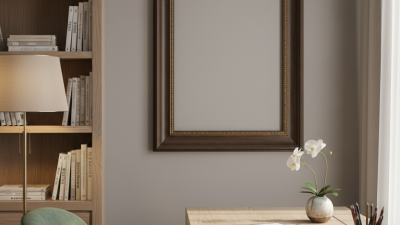
When choosing a frame, consider the color. A harmonious color scheme can tie artwork to your study's overall design. It’s vital to choose colors that reflect the mood you want to create. Neutral frames boost a calming atmosphere, while vibrant colors can energize the space. Additionally, size matters. An oversized frame can dominate a small wall, while a tiny frame can be lost on large surfaces. Avoiding such pitfalls is essential for a balanced visual effect.
Another tip is to select the material wisely. Wooden frames add warmth, while metal frames lend a contemporary touch. It's crucial for the frame to resonate with your study's design elements. Keep in mind, the wrong choice can distract from the artwork itself. Understanding these aspects can help you create a cohesive, stylish study that reflects your personal taste.
Identifying the Right Size and Dimensions for Your Artwork
Choosing the right size and dimensions for your artwork is crucial. An oversized frame can overshadow the piece. A frame that is too small may dwarf the artwork. It's important to measure your art before selecting a frame. Accurate measurements ensure a balanced look.
Consider the wall space too. A large painting deserves room to breathe. Conversely, smaller works can cozy up in a grouping. Think about the overall aesthetic of your study. Will it feel cluttered or harmonious? Positioning matters. Leave space for lighting to enhance your art.
Remember, framing mistakes happen. Many choose frames that clash with their decor. Reflect on your choices and be open to adjustments. An oversized frame may have seemed right, but it can dominate a space. Give yourself the chance to experiment. Ultimately, each frame tells a part of your story.
Selecting the Appropriate Material for Your Art Frame
When selecting the right material for your art frame, consider the aesthetic and protective qualities. Wood frames, for example, offer warmth and timeless appeal. They are sturdy and can last for decades. In a recent survey, 53% of art collectors preferred wooden frames for their durability and organic feel. However, wood can warp in humid conditions. This factor is worth pondering if you live in a moisture-prone area.
Metal frames present a sleek and modern alternative. They provide a minimalist look that suits contemporary work. A 2022 report indicated that metal frames account for 30% of art framing sales, highlighting their popularity. Yet, they can be cold and impersonal. Many artists feel that metal might not complement certain art styles, such as impressionism or classic oil paintings. It's essential to weigh these perspectives before making a choice.
Acrylic frames are lightweight and shatter-resistant. They offer good UV protection, ideal for preserving vibrant colors. However, acrylic can scratch easily, diminishing its transparency over time. A study revealed that over 40% of art buyers worry about long-term damage from environmental factors. It’s crucial to reflect on how different materials might impact both the art's appearance and longevity within your study.
Choosing Colors and Styles that Complement Your Study Decor
When selecting art frames for your study, consider colors that align with your existing decor. If your study features warm tones, an earthy frame can enhance the ambiance. Look for options in shades like terracotta or muted browns. These subtle variations allow artwork to stand out without overwhelming the space.
On the other hand, if your study is more modern, sleek metallic frames could provide a striking contrast. A brushed silver or matte black frame can add sophistication. Make sure the frame complements the artwork's colors as well. You want the pieces to work together harmoniously.
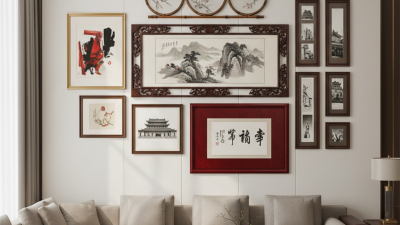
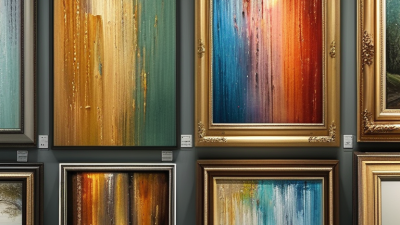
Styles also matter. A minimalist frame pairs well with contemporary art. Meanwhile, a vintage or ornate frame can elevate classical pieces. Remember to think about balance. Too many flashy frames can create visual chaos. In contrast, underwhelming frames may diminish the artwork's impact. Strive for a cohesive look that reflects your personal style while enhancing the overall aesthetic of your study.
Considerations for Mounting and Displaying Art Frames Effectively
When displaying art in your study, mounting is crucial. The right mount can enhance the artwork's appeal. A common mistake is to choose a mount that clashes with the art style. Always consider the art's colors and themes when selecting a mount. Neutral tones can create a harmonious balance, while bold colors can add excitement.
Lighting also plays a vital role in how art frames are perceived. Don’t overlook natural light sources. Position your artwork away from direct sunlight to prevent fading. Use adjustable spotlights for evening illumination. This can create an inviting ambiance in your study.
Regularly reevaluate how your art frames are showcased. Over time, your tastes might change. What once felt perfect might no longer resonate. Be open to rearranging your displays. Freshening up your space not only enhances your environment but also keeps your perspective alive.Ask yourself—it’s time for a change?