Top 10 Art Frame Styles You Must Know About?
When it comes to displaying artwork, the choice of an appropriate Art Frame can make a significant difference. According to a recent industry report, the global art framing market is projected to reach $1 billion by 2026. This growth highlights the increasing importance of art in both personal and commercial spaces. A well-chosen frame not only enhances the visual appeal but also protects the artwork.
Various styles of Art Frames cater to different tastes and preferences. For instance, contemporary frames offer sleek designs, while traditional frames bring vintage charm. Recognizing the right style can elevate any room’s atmosphere. However, many overlook the nuances of selecting the perfect Art Frame, often leading to mismatched aesthetics.
Investing time in understanding Art Frame styles can yield remarkable results. It can transform an ordinary piece into a captivating focal point. Yet, many underestimate this aspect, focusing solely on the art itself. By exploring different styles, one can gain insight into the relationship between art and its framing. This can profoundly influence how the artwork is perceived and appreciated.
Understanding the Importance of Art Frames in Home Decor
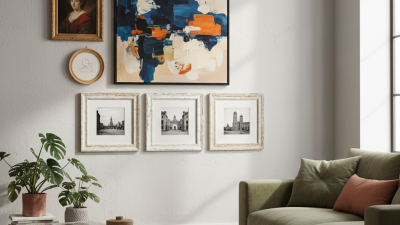
Art frames play a vital role in home decor, enhancing the overall aesthetic of any space. According to a recent industry report, around 75% of art buyers consider framing an essential part of displaying art. A well-chosen frame not only elevates the artwork but also complements the interior design. For instance, a modern art piece may require a sleek, minimalist frame to resonate with contemporary decor.
Frames serve more than just a decorative purpose. They protect art from damage, such as dust, UV rays, and physical contact. In fact, studies show that proper framing can extend the life of artwork by up to 30 years. However, many homeowners overlook the importance of selecting the right materials. Using acid-free mats and UV-protective glass is crucial for preservation. This is an area where choices can lead to unforeseen consequences.
Moreover, the wrong frame can detract from the artwork's intended message. For example, an ornate frame might clash with a vibrant abstract piece. It's essential to reflect on how each choice contributes to the room’s ambiance. Engaging with the process can foster a deeper appreciation of art and its role in our living spaces. Art framing deserves thoughtful consideration, as it impacts both the artwork and the surrounding environment.
Classic Frame Styles: Timeless Choices for Any Artwork
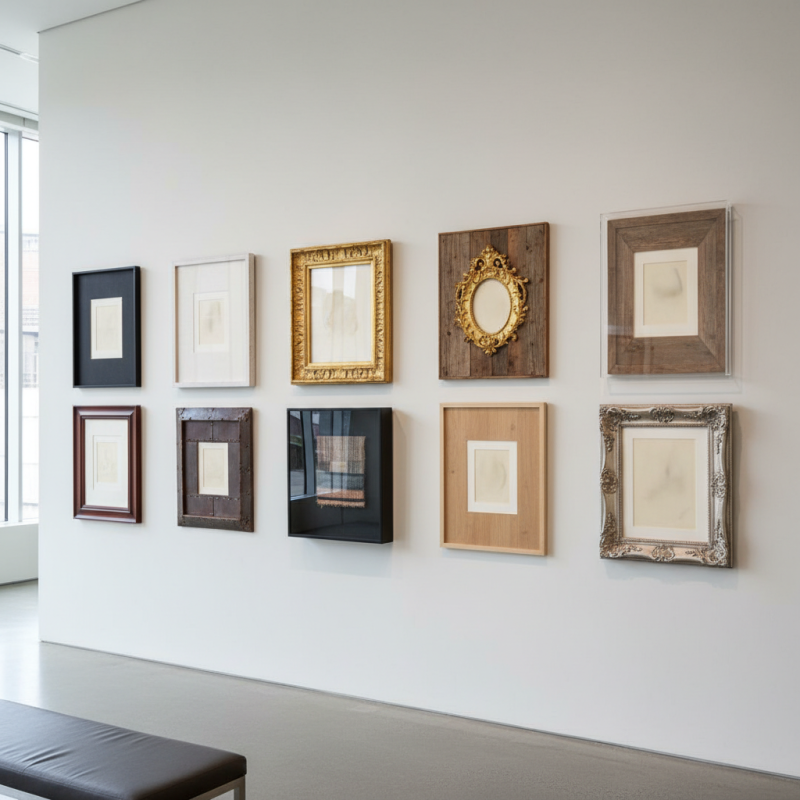
When it comes to showcasing artwork, classic frame styles remain the most popular choices. According to a report by the Fine Art Trade Guild, traditional frames, such as the ornate Victorian style, can elevate artwork by adding depth and character. These frames are characterized by intricate designs and rich materials, making them ideal for historical or classical pieces.
Another timeless option is the simple, sleek black frame. A study by the National Endowment for the Arts suggests that minimalistic frames allow art to be the focal point. Black frames create a striking contrast against varied artwork, enhancing visual impact. However, choosing the wrong frame for a piece can diminish its essence. It’s essential to consider the artwork’s colors and textures before selecting a frame.
Some look to the rustic style, which incorporates natural wood grains. While this style appeals to many, it can sometimes clash with modern art. Understanding the balance between frame and artwork is crucial. Reports indicate that mismatched framing can lead to a less engaging display, which often goes unnoticed. Reflecting on these elements is vital for making informed choices.
Modern Frame Styles: Sleek Designs for Contemporary Art
When it comes to displaying contemporary art, modern frame styles play a crucial role. Sleek and minimalistic designs enhance the artwork without overshadowing it. Think about thin metal frames with clean lines. They bring a fresh touch to any space. Artists and collectors alike appreciate the elegance these frames offer.
In a gallery setting, a floating frame can create an illusion of depth. The artwork appears to be suspended within the frame. This effect invites viewers to engage more closely. However, some may find the floatation technique challenging. Ensuring proper alignment can be tedious. It’s essential to take your time to get it right.
Wooden frames with a matte finish also stand out. They bring warmth and texture to modern art. Choosing a frame that complements the color palette of the piece is vital. This choice can be subjective, and preferences vary widely. Experimentation is encouraged. Don’t hesitate to mix styles until you find the perfect combination for your artwork.
Top 10 Art Frame Styles You Must Know About
| Frame Style |
Description |
Best For |
Color Options |
| Modern Minimalist |
Sleek, simple lines without ornate details. |
Contemporary art, photographs. |
Black, white, natural wood. |
| Shadow Box |
Depth for 3D objects and layered art. |
Mixed media, memorabilia. |
Varied, depending on the piece. |
| Gallery Frame |
Classic and refined, often used in exhibitions. |
Paintings, prints. |
Gold, silver, black. |
| Rustic Frame |
Natural, weathered wood finish. |
Country or vintage-themed art. |
Brown, grey, bleached wood. |
| Metal Frame |
Sleek, industrial look with a modern touch. |
Abstract and modern art. |
Silver, black, bronze. |
| Ornate Frame |
Intricate designs with decorative embellishments. |
Classical art, portraits. |
Gold, antique finishes. |
| Clip Frame |
Simple and inexpensive with a sleek design. |
Posters, prints. |
Clear glass, various colors. |
| Acrylic Frame |
Lightweight and modern with a clear finish. |
Minimalist and modern art. |
Clear, frosted options. |
| Collage Frame |
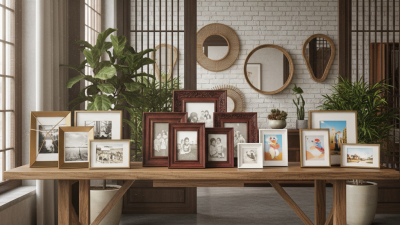
Holds multiple images in a single frame. |
Family photos, memories. |
Varied, multi-colored. |
Unique and Eclectic Frame Styles: Showcasing Individuality
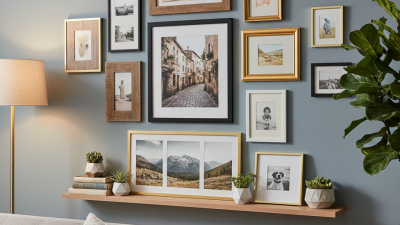
When it comes to showcasing your art, the frame can be as important as the artwork itself. Unique and eclectic frame styles reflect individuality and creativity. These frames can transform a simple piece into a stunning focal point in your home. The choice of materials, colors, and shapes often convey a personal narrative.
Consider a vintage frame with ornate carvings that tells a story of a bygone era. Alternatively, a minimalist frame can emphasize the artwork's lines and colors without distraction. You might even blend materials like reclaimed wood and metal for a contemporary yet rustic feel. Each combination can express a different aspect of your personality. The beauty of eclectic styles is their ability to surprise and delight.
However, finding the right balance is crucial. An overly elaborate frame might overwhelm a delicate watercolor, while a plain frame could undercut a bold abstract piece. Reflect on what resonates with you. Experiment with various styles to discover what feels authentic. Don't be afraid of imperfection; sometimes, the most unexpected choices lead to the most striking displays. Embrace your unique taste and let it guide your selections.
Top 10 Art Frame Styles You Must Know About
This chart represents the popularity of various art frame styles, highlighting the unique and eclectic options that can showcase personal individuality in artwork presentation.
Choosing the Right Frame Style for Different Types of Artwork
Choosing the right frame style for your artwork can transform its appearance significantly. It is crucial to match the frame to the piece's style. Contemporary art often pairs well with sleek, minimal frames. In contrast, classic paintings tend to shine in ornate, traditional frames.
Tips: Consider the artwork's color palette. A frame that complements these colors enhances the overall aesthetic. Additionally, think about the wall color where the artwork will hang. A well-chosen frame can either pop or blend seamlessly with the background.
Another factor is the size of the artwork. Large paintings generally look impressive in wide frames that draw attention. However, small pieces can become lost in bulky frames. Selecting the right scale ensures that each piece gets its due respect.
Tips: Always test different frames before making a decision. Visualizing how each frame looks with your artwork is essential. It’s a process that can require patience and reflection. Don't rush; sometimes the best choices emerge after giving it time and consideration.