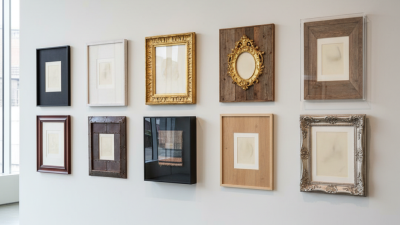
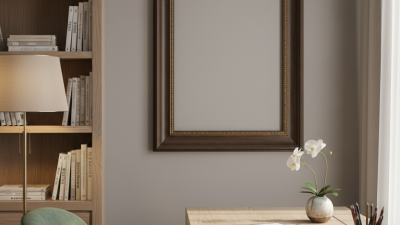
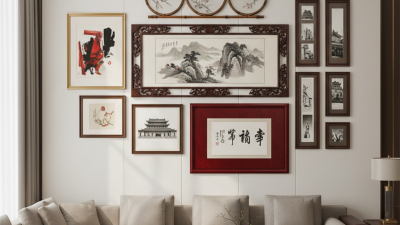
Choosing the right Study Art Frame in 2026 means balancing visual appeal, protection, and everyday usability. Study rooms are changing. They now combine reading, digital work, creative practice, and quiet display.
Ethan Cole, an independent art-framing consultant, says, “The best study frame protects the artwork without making the room feel visually crowded.” His view reflects a practical shift toward slim aluminum frames, warm wooden frames, acrylic glazing, shadow-box designs, and modular gallery systems. Each type creates a different atmosphere. Oak adds warmth. Aluminum feels precise. Acrylic reduces weight and handling risks.
Details matter. A pale oak frame can soften a white desk and cool lighting. A matte black profile can anchor bright educational prints above a crowded bookshelf. Deep frames can hold fabric, medals, or small three-dimensional projects. Modular systems also allow students to rearrange displays without drilling new holes.
Still, no frame type fits every study space. Glossy surfaces may reflect a desk lamp. Untreated wood can react to humidity. Budget frames may look attractive at first, yet their hinges, backing, or glazing can disappoint over time. That is worth admitting.
This guide examines the leading Study Art Frame types expected to shape 2026 interiors. It considers materials, mounting depth, maintenance, safety, and design flexibility. The goal is not to promote one universal winner. It is to help readers choose more carefully, using real room conditions instead of trend-driven assumptions. A frame should support concentration, not compete with it.
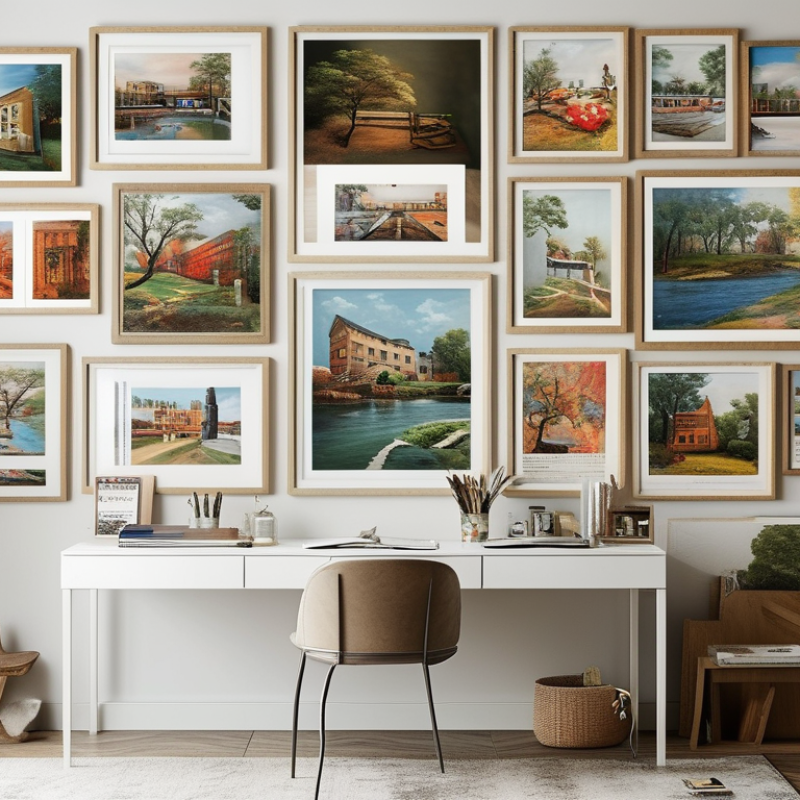
In 2026, a study art frame is more than a border around a print. It is a considered display system for reading, research, and focused work. The best frame types protect artwork while supporting the room’s visual rhythm. A slim wood frame suits quiet interiors. A deep shadow-box frame adds space for layered paper, maps, or small objects. A modular frame helps users change pieces without damaging them. That matters. Not decoration alone.
A practical definition begins with preservation. UV-filtering glazing, acid-free backing, and a stable mount reduce risks from light, dust, and material contact. Conservation guidance favors reversible assembly, because future repair should remain possible. In a study, glare control is equally important. Low-reflection glazing can improve legibility near a desk, although it may soften contrast in certain lighting. Test measurements beside the actual window. Do not guess online. Small details count.
The 2026 frame also reflects responsible design. Durable materials, replaceable parts, and transparent sourcing make maintenance easier over time. Digital display frames may offer changing references, but they need careful brightness and cable placement. I still prefer physical works for close looking; that preference is not universal. A frame can be technically excellent and emotionally wrong for the room. I have learned that proportion often matters more than price. Leave breathing space around the artwork, and accept slight imperfection when it preserves texture, age, or personal meaning.
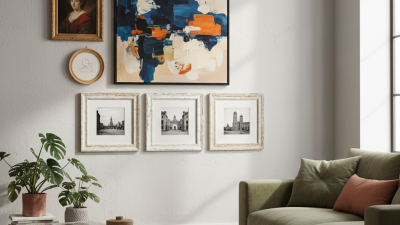
What defines a study art frame in 2026 is a balance of visual simplicity, artwork protection, flexible installation, and compatibility with modern study spaces.
The chart ranks frame types by the number of practical study-space features they combine: low visual distraction, artwork protection, depth flexibility, easy installation, and adaptable presentation. The score is a transparent feature checklist rather than a market-share or brand-sales estimate. Archival, shadow-box, and minimalist metal frames perform strongly because they support focused viewing while accommodating different artwork formats.
Study art frames in 2026 favor calm materials and practical construction. Solid wood remains a strong choice for warm, scholarly interiors. Grand View Research’s 2024 picture frames analysis identifies wood as the leading material segment. Oak, ash, and walnut show visible grain around a desk or reading chair. MDF offers a smoother, lower-cost surface, but its edges need careful sealing. Aluminum frames create a thinner, sharper profile. They suit technical prints, monochrome photography, and small study walls. I have found that a heavy frame can overpower delicate artwork. That mistake is easy to make.
Construction style matters as much as material. A deep shadow-box frame protects objects with space between the art and glazing. A float frame makes a canvas appear suspended, adding a quiet architectural effect. Standard rabbet frames work well for paper prints when they include archival backing and sufficient depth. The Fine Art Trade Guild recommends acid-free materials for long-term presentation. Nielsen Norman Group’s visual-design research also supports clear hierarchy and reduced distraction, useful principles for study spaces. Still, “archival” does not guarantee perfect protection. Light exposure remains a problem.
Tips: Match frame depth to the artwork’s thickness. Use ultraviolet-filtering glazing near windows. Choose a sealed backing in humid rooms. Test the frame beside your desk lamp first. Colors can shift at night.
What Are the 2026 Top Study Art Frame Types?
Top Study Art Frame Types and Their Distinct Features
Study art needs a frame that protects attention, not just paper. In 2026, slim wooden frames remain popular for sketches, prints, and small paintings. Their warm grain softens a quiet study corner. A narrow profile also leaves more wall space visible. Choose sealed wood with stable joints. Poorly finished timber can release odors or warp near a heater.
Metal frames offer a sharper, more technical appearance. They suit architectural drawings, monochrome photography, and detailed diagrams. Their rigid edges resist twisting better than many lightweight materials. Matte finishes reduce distracting reflections from desk lamps. However, metal can feel cold beside traditional furniture. I sometimes prefer a thin wood frame for balance.
Floating frames create a visible gap around the artwork. This detail makes a canvas or thick paper appear suspended. Shadow-box frames provide deeper space for textured pieces, layered studies, or mounted objects. Clip frames are practical for changing notes and rotating student work. They are simple, but exposed edges may collect dust. For valuable or delicate pieces, use acid-free mounts and UV-filtering glazing. Conservation specialists also recommend avoiding damp walls and direct sunlight. Acrylic glazing is lighter than glass, yet it can scratch easily. That trade-off deserves thought. Frame choice should follow the artwork’s material, room lighting, and handling frequency, not fashion alone.
Top Study Art Frame Types and Their Distinct Features
| Frame Type | Primary Material | Distinct Visual Feature | Best Suited For | Protection Level | Key Advantages | Important Consideration |
|---|---|---|---|---|---|---|
| Traditional Wood Frame | Solid wood or engineered wood | Warm texture, visible grain, and a classic profile | Paintings, illustrations, certificates, and academic artwork | Medium to high when fitted with glazing and a backing board | Timeless appearance; available in many stains, colors, and profiles | Can be heavier than metal or plastic alternatives; wood may respond to humidity changes |
| Slim Metal Frame | Aluminum or other coated metal | Narrow edges and a clean, contemporary outline | Photographs, posters, diagrams, and modern prints | High when combined with protective glazing | Lightweight, rigid, moisture-resistant, and suitable for larger formats | May provide less visual warmth than wood and can show scratches or fingerprints |
| Acrylic Box Frame | Clear or tinted acrylic panels | Transparent edges with a floating, gallery-style appearance | Posters, lightweight canvas, layered prints, and contemporary art | Medium to high, depending on thickness and UV protection | Lightweight, visually minimal, and resistant to shattering compared with ordinary glass | Acrylic can scratch more easily than glass and may develop static that attracts dust |
| Shadow Box Frame | Wood, metal, or composite frame with a deep interior | Visible depth between the artwork and front glazing | Three-dimensional artwork, memorabilia, textiles, and objects | High when sealed with suitable glazing | Adds depth, protects dimensional objects, and creates strong visual separation | Deeper construction requires more wall space and usually costs more than flat frames |
| Float Frame | Wood or metal with an internal spacing channel | Artwork appears suspended with a narrow visible gap | Gallery-wrapped canvas and rigid-mounted panels | Medium to high, depending on glazing and backing | Highlights the edges of the artwork and avoids covering the canvas surface | Requires accurate measurements and careful installation to maintain even spacing |
| Clip Frame | Glass or acrylic sheet with metal clips | Artwork is held between transparent panels with minimal borders | Posters, student projects, temporary displays, and frequently changed prints | Low to medium unless sealed against dust and moisture | Affordable, simple, and quick to update | Edges may be exposed; ordinary glass can be heavy and breakable |
| Magnetic Poster Frame | Wood, plastic, or metal rails with magnets | Top and bottom rails create a clean, hanging-poster format | Educational posters, charts, announcements, and frequently rotated artwork | Low, because the paper is usually not enclosed | Fast poster changes, low weight, and no permanent adhesive required | Offers limited protection from dust, humidity, sunlight, and handling |
| Deep-Profile Gallery Frame | Wood or metal with a wide, substantial profile | Bold border that gives the artwork a formal, exhibition-like presence | Large-format paintings, photography, and statement pieces | High when archival backing and protective glazing are used | Strong presentation, structural support, and a refined display effect | Usually heavier, more expensive, and more demanding to mount securely |
What Are the 2026 Top Study Art Frame Types?
Study rooms in 2026 favor frames that support focus without making the space feel cold. Slim oak frames suit Scandinavian interiors, especially beside pale desks and linen curtains. Matte black metal frames work well in industrial rooms with concrete, leather, or exposed shelving. Deep shadow-box frames add dimension to modern studies, but they need generous wall space. Acrylic frames create a light, floating effect for contemporary interiors. Traditional rooms often benefit from walnut frames with narrow inner borders.
How to Select a Study Art Frame for Different Interior Styles
Match the frame’s visual weight to the furniture. A heavy frame beside a delicate desk may look unbalanced. For minimalist rooms, choose simple profiles and soft neutral tones. In classic interiors, select warmer wood and subtle detailing. Eclectic studies can combine different frames, but repeat one element, such as color or material. Check the artwork under both daylight and desk lighting. Glass reflections can change the mood at night. Conservation experience also supports acid-free backing and stable materials, especially for original prints. I once selected a beautiful dark frame that swallowed a small artwork. It looked impressive online, but awkward in the room.
Tips: Measure the wall, desk, and artwork together. Leave breathing space around busy images. Test a paper outline before ordering. Do not trust color samples alone. If the room already feels crowded, choose a thinner frame. Review the result after several days; first impressions can be misleading.
Study art frames are becoming quieter, lighter, and more adaptable. Floating frames create a clean gap around prints, while slim magnetic frames support quick changes. Modular grid frames suit students who rotate sketches, certificates, and research diagrams. Transparent acrylic remains useful for small rooms because it protects artwork without adding visual weight. I have found that matte surfaces reduce distracting reflections near desk lamps, although they can show fingerprints more easily.
Sustainability is shaping material choices. The Art Basel and UBS Art Market Report 2025 recorded global art sales of about 57.5 billion dollars in 2024, showing a large market still influenced by display decisions. Meanwhile, the International Energy Agency reports that buildings account for roughly 30% of global energy demand. This strengthens the case for durable frames, recycled aluminum, responsibly sourced wood, and low-impact finishes. The detail is easy to miss. A recycled frame is not automatically sustainable if it breaks after one move.
Tips: Choose a frame two centimeters wider than the artwork. Use UV-filtering glazing near windows. Test the frame beside your monitor before buying several. For rental study spaces, removable mounting systems reduce wall damage. Acoustic fabric frames can soften echo, but their texture may collect dust. My practical preference is a modular frame with replaceable backing. It costs more initially, yet it avoids unnecessary replacements when your study style changes.