What is the Best Oil Painting Frame for Your Artwork?
Choosing the right oil painting frame can significantly enhance your artwork's appeal. Renowned framing expert Jane Thompson once said, “A frame is not just a border; it's the final touch that completes your piece." This highlights the importance of the Oil Painting Frame in presenting art beautifully.
When selecting an Oil Painting Frame, consider style, color, and material. A well-chosen frame can elevate a painting, while a poor choice might detract from it. Look for frames that complement the colors and subject matter of your work. Many artists overlook how frame styles can impact perception. A simple gold frame might add sophistication, while a rustic wood frame can offer warmth.
However, not all frames suit every artwork. Some frames may overshadow the painting or clash with its tones. Framing is both an art and a science, demanding careful thought. A frame should enhance the story behind the artwork, not distract from it. This delicate balance requires introspection and a deep understanding of the artwork itself.
Understanding the Importance of Choosing the Right Frame for Oil Paintings
Choosing the right frame for your oil paintings is more important than many realize. A well-chosen frame not only enhances your artwork but also protects it from environmental factors. It can significantly affect how viewers perceive your work. The right frame harmonizes with the painting’s colors and style, adding depth to the overall presentation.
When selecting a frame, consider its materials and colors carefully. Wooden frames, for example, offer warmth and can complement natural tones in the artwork. A metallic frame might be suitable for modern pieces, creating a sleek, contemporary look. Both options can visually elevate your painting, but they should match the message or mood you intend to convey.
**Tips:**
- Always test frames before committing. Place the frame around your painting and check how it looks in different lighting.
- Avoid overly ornate frames; they can distract from your artwork.
- Trust your instinct. If something feels off, keep searching for a better match.
What is the Best Oil Painting Frame for Your Artwork?
Types of Frames Suitable for Oil Paintings: A Comprehensive Overview
Choosing the right frame for oil paintings is crucial. The frame not only enhances the artwork but also provides protection. Different types of frames can affect the presentation significantly. According to industry reports, traditional wooden frames remain the most popular choice. Their classic look complements the texture of oil paintings.
Modern frames are gaining traction too. Metal frames bring a sleek and contemporary vibe. They often suit abstract or modern artworks well. Many artists experiment with floating frames, offering a unique display. This style allows the canvas to appear suspended, creating a sense of depth. However, floating frames can sometimes distract from the artwork itself.
When selecting a frame, consider the artwork's color palette and style. A deep, rich frame can enhance warm tones. Lighter frames often suit more delicate pieces. Artists may find themselves in a dilemma here. Too bold a frame might overpower the painting. The balance between frame and art is essential. A frame should amplify your work, not overshadow it.
Factors to Consider When Selecting an Oil Painting Frame
Choosing the right frame for your oil painting is more nuanced than many artists realize. Factors such as style, color, and dimensions heavily influence the final presentation. A report from the Art and Frame Association found that nearly 70% of artists believe framing impacts the viewer's perception of the artwork. This highlights the importance of thoughtful selection.
Classical and modern styles call for different frames. A heavy, ornate frame may suit a traditional landscape, enhancing its historical appeal. In contrast, a sleek, minimalist frame often complements abstract pieces, allowing the colors to stand out. Dimensions matters too; the frame should neither overpower nor understate the painting. Overly large frames can distract from the artwork, while too narrow ones might look insignificant.
Wooden frames are popular for their warmth, but metal frames provide a contemporary edge. A recent survey revealed that 52% of gallery owners prefer wood frames for oil paintings, citing their versatility. However, not every artist has the budget for custom framing. DIY framing options exist. Yet, these can sometimes lack the finesse needed for a polished look. Balancing cost with aesthetic is crucial.
What is the Best Oil Painting Frame for Your Artwork? - Factors to Consider When Selecting an Oil Painting Frame
| Frame Style |
Material |
Color/Finish |
Width |
Price Range |
| Traditional |
Wood |
Gold Leaf |
2-4 inches |
$100 - $300 |
| Modern |
Metal |
Matte Black |
0.5-2 inches |
$50 - $150 |
| Custom |
Mixed Materials |
Varies |
Any |
$200+ |
| Canvas Floater |
Wood |
Natural Oak |
1-2 inches |
$60 - $180 |
| Shadow Box |
Wood |
Dark Walnut |
3-5 inches |
$120 - $350 |
Matching Frame Styles with Different Art Styles and Techniques
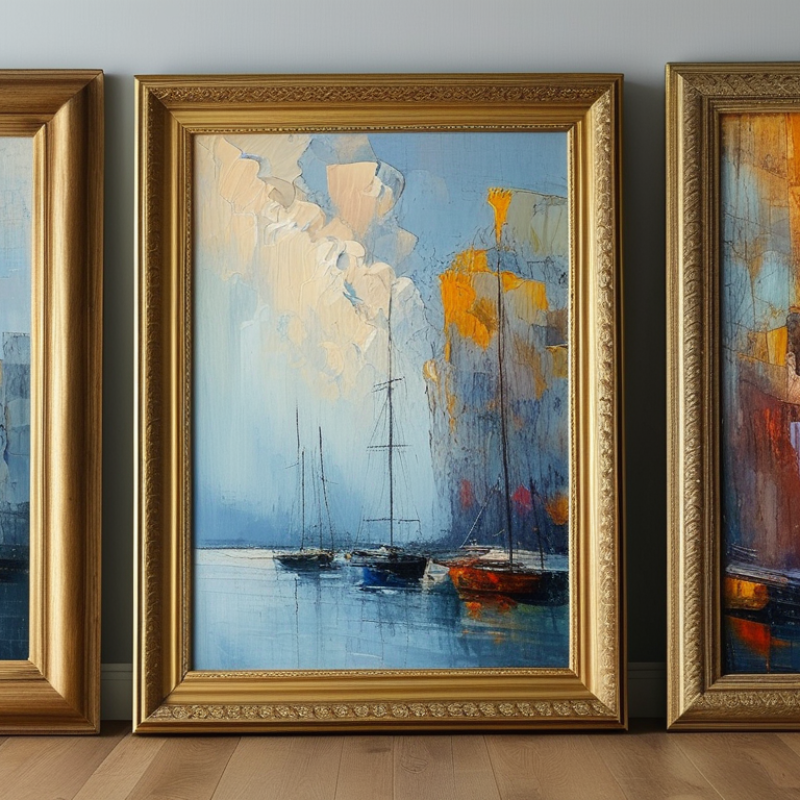
Choosing the right frame for oil paintings requires careful consideration of both the artwork's style and the framing technique. For impressionistic works, a simple, ornate frame can enhance the colors and texture. Gold or distressed finishes complement the vibrant hues beautifully. In contrast, modern abstract pieces often benefit from minimalistic frames that do not distract from the artwork itself. Sleek metal options or unadorned wooden frames can highlight bold colors and shapes effectively.
Classical styles, such as realism, demand elegance and sophistication. Here, antique frames with intricate details and rich finishes work well. They add a sense of history and grandeur, which aligns perfectly with traditional techniques. Conversely, contemporary artworks may call for frames that blend or contrast with the piece. This approach invites viewers to engage with the art more deeply, fostering a connection.
Framing is more than a protective measure; it influences how viewers perceive your work. An inappropriate frame can overshadow the artwork. The balance between frame and painting is delicate; each piece tells a story. Successful frames enhance that narrative without overpowering it. Consider the emotion your artwork evokes. Choose a frame that resonates with that feeling. Reflect on how frame styles interact with your vision, and let this guide your selection.
Tips for Properly Displaying and Maintaining Framed Oil Paintings
Properly displaying and maintaining your framed oil paintings ensures their vibrancy and longevity. Sunlight can fade colors over time. Keeping your artwork out of direct light is essential. Consider using UV-filtering glass for added protection. It helps shield against harmful light rays while still showcasing your art.
Dust is another enemy of oil paintings. Regular dusting with a soft, dry cloth can keep your frames and paintings looking fresh. Be cautious with cleaning products. Chemicals can damage the paint or frame finishes. Always test any product in a discrete area first.
Humidity and temperature fluctuations should also be monitored. High humidity can cause mold growth, while extreme dryness can lead to cracking. Ideal conditions are a climate-controlled environment with stable temperatures. Sometimes, minor maintenance can have a massive impact on the longevity of your artwork, making regular checks worthwhile. Remember, every piece is unique, and understanding its specific needs is crucial for its care.