Best Ways to Study Art Frame Techniques for Global Buyers?
In the evolving world of art framing, the demand for effective "Study Art Frame" techniques is more significant than ever. According to a recent report by the Global Art Market Insights, the art framing industry has seen a notable growth rate of 7% annually since 2020. This statistic reflects the increasing interest in art collecting, particularly among global buyers. Industry expert Dr. Emily Carter emphasizes, “Mastering the art frame techniques can elevate a piece and increase its market value.”
Understanding how to frame art properly is crucial, yet many remain unsure of the best methods. Many buyers struggle with choices in materials and styles. A poorly framed piece can diminish its aesthetic appeal. Research shows that 65% of buyers prioritize professional framing when investing in art. This highlights the need for guidance in the "Study Art Frame" process.
While many resources exist, the quality varies widely. Not all advice accounts for current trends or regional preferences. Buyers often face challenges in navigating this complex landscape. Hence, a deeper exploration of effective strategies can help transform their purchase experience. Engaging with experts and understanding market dynamics will lead to more informed decisions.

Best Study Techniques for Mastering Art Frame Techniques
Mastering art frame techniques requires dedication and effective study methods. Industry reports indicate that buyers focusing on mastering these techniques can enhance their skills significantly. Engaging with visual learning strategies often boosts retention. According to a recent study, visual aids can improve information recall by up to 65%.
Tips: Visualize the frame techniques you learn. Sketch them out. Create a mood board to represent different art styles. This tactile method can deepen your understanding.
Incorporating hands-on practice is crucial. Actual frame framing connects theoretical knowledge with practical skills. Errors encountered during practice sessions can teach valuable lessons. An inexperienced framer might miscalculate dimensions or choose incompatible materials. Reflecting on these instances can lead to enhanced skills.
Tips: Set aside time each week for experimentation. Try different materials and techniques. Document your experiences. Knowing what doesn't work is as important as knowing what does.
Best Ways to Study Art Frame Techniques for Global Buyers
| Technique |
Description |
Tools Required |
Skill Level |
| Basic Framing |
Understanding the fundamentals of framing. |
Frame, glass, mat board, backing. |
Beginner |
| Matting Techniques |
How to create and apply mats to enhance artwork. |
Mat cutter, scissors, mat board. |
Intermediate |
| Hanging Methods |
Different ways to hang framed art securely. |
Hanging hardware, level. |
Beginner |
| Custom Framing |
Learning how to select materials and styles for unique pieces. |
Various frame styles, specialty glass. |
Advanced |
| Preservation Framing |
Techniques to preserve art for long-term display. |
Archival materials, UV glass. |
Expert |
Understanding the Different Types of Art Frames Used Globally
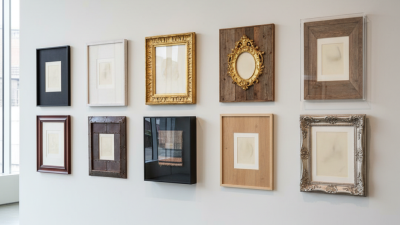
When exploring art frames, it's essential to recognize the variety found worldwide. Different cultures influence frame design, materials, and techniques. Basic types include wooden, metal, and decorative frames. Each has unique characteristics. Wooden frames often feature intricate carvings, reflecting local traditions. Metal frames are sleek and modern, popular in urban settings.
Understanding these types enriches a collector's experience. It’s not just about aesthetics; it involves cultural appreciation. For example, Asian art frequently uses ornate frames that symbolize tranquility. African frames may utilize organic materials, showcasing the region's connection to nature.
Globally, many collectors struggle with choices. The right frame enhances the artwork but can overshadow it if not chosen carefully. Understanding the nuances improves selection skills. An effective frame complements the art while respecting its origins. To make informed choices, it's wise to study local framing styles and trends. Being well-versed can lead to unique finds and meaningful conversations.
Key Materials and Tools Essential for Art Framing
When studying art frame techniques, understanding the key materials is crucial. The right frame can enhance the artwork significantly. Common materials include wood, metal, and acrylic. Each has unique properties that affect the final look. Wooden frames offer warmth, while metal frames can provide a modern touch. Acrylic is lightweight and shatter-resistant, making it a practical choice for larger pieces.
Tools are equally important in the framing process. Essential tools include a mat cutter, measuring tape, and a framing square. A mat cutter allows for clean, precise cuts, creating a professional finish. A measuring tape ensures accurate dimensions. A framing square aids in aligning corners perfectly. Many beginners overlook tool quality, but investing in good tools can save time and effort.
Many framing projects require reflection on technique and style. Mistakes can happen, such as uneven cuts or misaligned frames. These errors can teach valuable lessons in precision and patience. Observing how different materials interact with artworks can lead to unique creative choices. Embrace the learning curve; mastering art framing techniques is a journey that requires practice and experimentation.
Analyzing Global Trends: Demand for Custom Art Frames
As global buyers increasingly seek unique art frame solutions, understanding the demand for custom designs is vital. Recent reports indicate that the custom framing market is projected to $2.5 billion by 2025, fueled by a growing appreciation for personalized art. Consumers want frames that reflect their personality and style. The rise of online platforms allows buyers to easily access diverse options, broadening the market.
Cultural influences play a significant role in shaping preferences. For instance, Asian markets often favor intricate designs and colors, while Western buyers may lean towards minimalist frames. However, not all customizations meet expectations. Some clients report dissatisfaction with misalignment in materials and styles. This highlights the need for improved communication between buyers and suppliers. The challenge is to ensure that custom frames match the vision of the art they support.
Moreover, sustainability has become a crucial factor. A survey shows that 70% of buyers value eco-friendly materials. Yet, many manufacturers struggle to keep pace with this demand while maintaining quality. Brands must navigate this complexity. Buyers may find themselves wondering if their choices truly align with their values. Balancing aesthetic appeal and sustainability remains an ongoing conversation in the framing industry.
Effective Techniques for Selecting the Right Frame for Artwork
Selecting the right frame for artwork is an art in itself. It involves understanding the artwork's style, color scheme, and the overall ambiance of the space. For classic paintings, a traditional wooden frame can enhance the elegance. A sleek metal frame pairs well with modern art. This combination creates a cohesive visual experience.
Consider the color of the artwork. Neutral frames are generally safe, but you might want a bold color to make a statement. A mismatched frame can divert attention from the piece, creating confusion for the viewer. Color psychology plays a role here; warm tones can evoke emotion, while cool tones can bring calm. It's essential to reflect on how each frame interacts with the artwork.
Additionally, think about the materials used in framing. Glass, acrylic, or no covering all depend on the artwork's needs. Some pieces benefit from UV protection, while others do better without it. This complexity invites reflection on the long-term preservation of the artwork. Each choice affects the presentation, showcasing the art's true beauty or overshadowing it. Framing isn't just a protective measure; it forms part of the narrative.