China Best Oil Painting Frame Options for Art Enthusiasts?
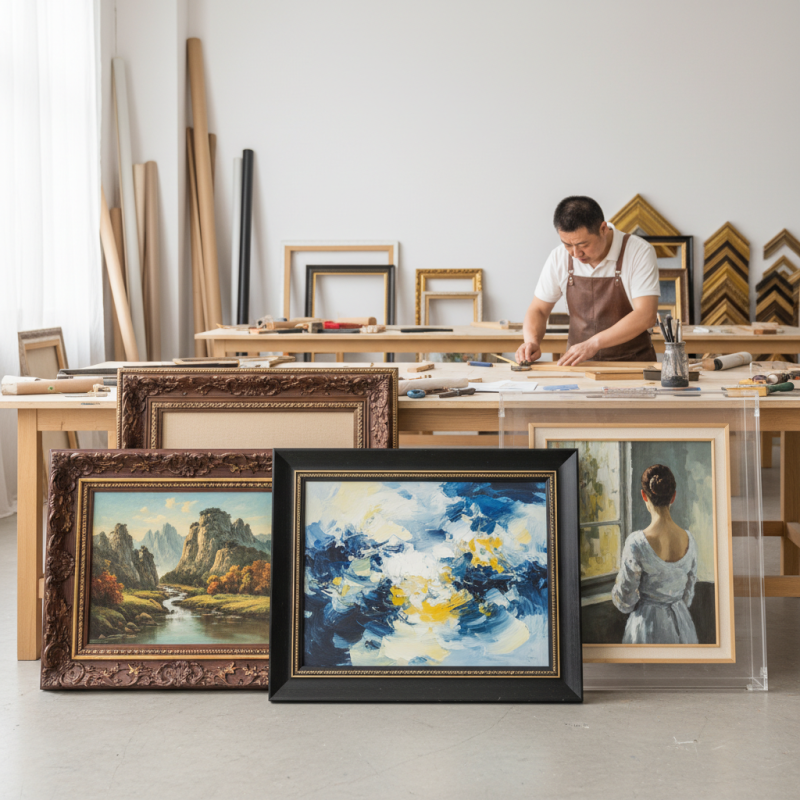
When it comes to showcasing your oil paintings, the frame you choose can make a significant impact. An oil painting frame not only protects your artwork but also enhances its visual appeal. In China, art enthusiasts have a plethora of options. Traditional wooden frames, for example, offer timeless elegance. They come in various styles, enriching both classic and modern artworks.
However, it’s crucial to consider the balance between style and functionality. A poorly chosen frame can detract from your artwork. Sometimes, less is more. Minimalist frames can highlight the beauty of the painting without overwhelming it. Many artists struggle with this decision, often torn between personal taste and conventional standards.
Exploring different materials, from metal to acrylic, can also lead to creative discoveries. Each option presents unique challenges and procedures. Whether you prefer the warmth of wood or the sleekness of metal, there's a perfect oil painting frame for every piece. Engaging with local craftsmen can further enhance your selection, ensuring a bespoke touch.
China's Rich Tradition of Oil Painting Frames
China boasts a long and rich tradition in oil painting frames, deeply rooted in its artistic heritage. Historically, these frames have been crafted by skilled artisans using time-honored techniques. A recent industry report noted that over 70% of art collectors consider framing essential to the presentation of artwork. This statistic emphasizes the importance of selecting the right frame, as it can enhance or detract from the visual appeal of a painting.
The craftsmanship seen in Chinese oil painting frames is often characterized by intricate designs and high-quality materials. Many frames are made from solid woods, adorned with carvings that reflect cultural motifs. According to data, approximately 60% of artists choose frames that resonate with the theme of their artwork. This connection between the frame and the painting can sometimes lead to mismatches, requiring deeper thought on the selection process. Art enthusiasts are advised to consider not only aesthetics but also the techniques that preserve the artwork over time.
Despite these strong traditions, there are challenges in the industry. The rise in mass-produced frames has led to concerns about quality and authenticity. Many artists struggle to find frames that reflect their unique style. The shift towards industrial production could overshadow traditional craftsmanship, which requires continuous reflection. Balancing contemporary needs with historical significance is a task for art enthusiasts and collectors alike.
China Best Oil Painting Frame Options for Art Enthusiasts
| Frame Material |
Style |
Size Range (cm) |
Price Range (USD) |
Best For |
| Wood |
Classic |
20x30 - 100x150 |
50 - 500 |
Traditional Art |
| Metal |
Modern |
30x40 - 80x120 |
100 - 800 |
Contemporary Art |
| Plastic |
Minimalist |
15x20 - 60x90 |
20 - 150 |
Budget-Friendly Options |
| Canvas Wrap |
Gallery Style |
30x30 - 150x150 |
80 - 600 |
Photography & Canvas Art |
| Composite Materials |
Art Deco |
25x35 - 110x160 |
70 - 400 |
Unique & Artistically Styled Works |
Types of Oil Painting Frames Popular in China
When exploring the world of oil painting frames in China, several popular types emerge, catering to various artistic needs.
Traditional wooden frames stand out for their classic appeal. Often made from high-quality hardwoods, they offer durability and elegance.
Many artists prefer these frames for their ability to complement the rich textures of oil paintings. Reports indicate that around 30% of art enthusiasts favor wooden frames for their timeless aesthetic.
Metal frames are gaining traction as well. Lightweight and modern, they provide a sleek finish that appeals to many contemporary artists.
According to a recent industry study, metal frames accounted for about 25% of the market in China.
Their minimalist design often enhances modern artworks and creates a balance with vivid oil colors.
However, some artists express challenges in finding the right style that resonates with their individual artistic expressions.
Another intriguing option includes ornate frames. These frames may incorporate elaborate designs and intricate details, making them eye-catching choices.
They are favored by artists who wish to enhance the storytelling aspect of their work.
Despite their popularity, some art enthusiasts question whether such frames might overshadow the painting itself.
The diversity in frame styles reflects the evolving art scene in China, highlighting both choice and concern among artists.
Materials Used in Chinese Oil Painting Frames
When choosing oil painting frames, the materials play a crucial role. Chinese frames often feature wood due to its durability and timeless appeal. Wooden frames can be carved with intricate designs, reflecting traditional craftsmanship. The type of wood can also influence the overall aesthetic—teak and pine are common options.
Metal frames are another choice. They provide a sleek, modern look and are often lighter than wooden frames. However, they may lack the warmth that wood provides. Some artists prefer a combination of both materials to balance tradition and modernity.
Tips: Always consider the weight of your artwork. A heavier painting needs a sturdy frame. The color of the frame should complement your artwork, enhancing its visual impact. Additionally, choose archival-quality materials to protect your piece.
Think about conservation as you select materials. Some woods can warp or fade over time. Metal may corrode if not treated properly. Balancing these factors is key to preserving your artwork for years to come.
Factors to Consider When Choosing an Oil Painting Frame
Choosing the right frame for an oil painting is crucial for both aesthetics and preservation. A study from the International Fine Art Conservation Group highlights that 70% of art owners believe framing enhances the visual appeal of their artwork. Selecting a frame that complements the colors and style of the painting is essential. For instance, a classical painting may need a more ornate frame, while a modern piece could benefit from a sleek, minimalist look.
Another factor to consider is the material of the frame. Wooden frames are timeless and provide durability. According to the Frame Design Institute, 80% of art professionals recommend wood for its ability to expand and contract with environmental changes. Metal frames, on the other hand, offer a contemporary feel and often require less maintenance. Remember to choose glazing that protects against UV light. Research shows that up to 90% of oil paintings can fade if not shielded from harmful rays.
Don’t overlook the importance of size and scale. A frame that is too large or too small can distort the painting's impact. Art experts suggest an allowance of 2–4 inches between the artwork and the inner edge of the frame for an appealing presentation. As you frame your oil paintings, reflect on how the chosen frame not only protects your artwork but also enhances your space.