Top 10 Tips for Choosing the Best Oil Painting Frame
Choosing the right Oil Painting Frame is crucial for showcasing artwork effectively. A well-chosen frame enhances the visual appeal, often increasing the piece's value. According to a report by Artspace, nearly 70% of collectors believe framing significantly impacts their purchasing decisions. This emphasizes the importance of proper selection.
There are numerous factors to consider when choosing an Oil Painting Frame. The size, material, and color of the frame should complement the painting's style. Well-framed art can elevate a space, making it engaging and visually pleasing. However, many still overlook the significance of these details. A poorly matched frame can diminish the artwork's impact, leading to regrets later on.
Understanding the nuances of framing is essential. Not all frames are created equal. Some may warp over time or detract from the canvas. Specialized retailers provide insights into selecting high-quality options. Professional advice can aid in choosing frames that reflect individual taste while preserving the artwork properly. Therefore, investing time in this process is worthwhile.

Understanding the Importance of Framing for Oil Paintings
Framing an oil painting is not just about aesthetics; it plays a crucial role in preserving the artwork. A well-chosen frame can enhance colors and define the painting's character. According to a report by the Art & Frame Association, approximately 70% of art conservation experts believe that proper framing extends the life of oil paintings by reducing exposure to light and dust.
Choosing the right frame can be daunting. Consider the style and colors of your painting. A minimalist frame may offer a modern touch, while an ornate frame can evoke a classic feel. The frame should complement the artwork without stealing the show. For example, when framing a vibrant landscape, opt for a frame that echoes the colors without overwhelming them.
Don't forget the glass or acrylic cover. Museum-quality glass can filter UV rays, drastically reducing color fading. Alois Riehl's research highlights that over 90% of color fading occurs due to light exposure. Investing in high-quality materials can safeguard your art. Remember, the frame is a protective barrier and a presentation tool. Choose wisely.
Top 10 Tips for Choosing the Best Oil Painting Frame
Key Factors to Consider When Choosing an Oil Painting Frame
When selecting an oil painting frame, several key factors should guide your decision. The material of the frame is essential. Wood is classic and can last a lifetime, but metal offers sleek modern options. According to reports, about 70% of artists prefer wooden frames for their aesthetic value.
The style of the frame significantly influences the painting's presentation. A well-chosen frame enhances the artwork, drawing viewers in. Research indicates that a fitting frame can increase the perceived value of a painting by 20-30%. Color and texture should also align with the artwork. A frame that competes for attention can detract from the piece itself.
Lastly, consider the dimensions. A frame too large can overwhelm, while one that is too small may fail to support the artwork adequately. Artists often reflect on how a frame alters the viewer's experience. Each choice carries weight. Finding the best balance may take trial and error, but this journey can lead to remarkable results in showcasing your art.
Common Frame Styles and Their Suitability for Different Artworks
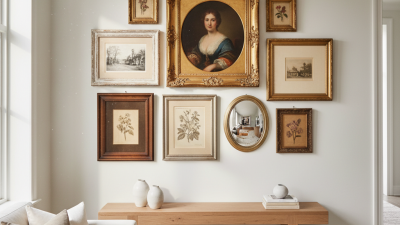
Choosing the right frame for an oil painting can dramatically enhance its aesthetic appeal. Different frame styles complement various artworks, emphasizing their unique features and character. For instance, traditional antique frames often suit classic portraits or landscapes, giving an air of elegance. A study by the International Art Market Association noted that properly framed paintings can increase their perceived value by up to 30%.
Modern minimalist frames tend to work best with contemporary pieces. They allow the artwork to breathe and keep the focus on the painting itself. According to the National Endowment for the Arts, viewers spend significantly more time examining artwork in well-chosen frames. However, not all artists appreciate the same framing techniques. Some find that overly elaborate frames can overshadow their work, leading to a disconnect with the audience.
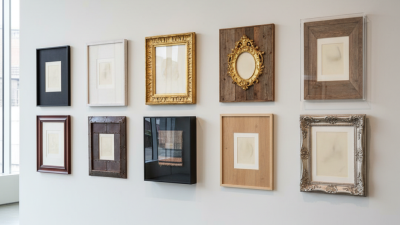
Wooden frames remain popular, but metal options offer a sleek, polished look. It's essential to consider the medium and message of the artwork when selecting a frame. If the artwork is vibrant and detailed, a simple frame might be more effective. On the other hand, a bold abstract piece may require a striking, ornate frame. An article in Art and Frame magazine highlighted that 45% of artists felt framing choices impacted public perception. Balancing style with the integrity of the artwork requires thought and creativity.
Material Options for Oil Painting Frames: Wood, Metal, and More
When selecting frames for oil paintings, the material plays a crucial role in both aesthetics and functionality. Wood is a timeless choice. Its natural textures enhance the warmth of paintings. Different wood types can complement various styles, from rustic to modern. However, wood can warp under fluctuating humidity, so proper care is necessary.
Metal frames offer a sleek, contemporary look. They are durable and resistant to wear and tear. A metal frame can bring a modern edge to traditional art. Yet, this option might not suit every painting. Some artists feel that metal can detract from the art’s emotional depth.
There are also composite materials which combine benefits of both wood and metal. They can be lightweight yet sturdy. These frames are often more affordable, making them accessible for many artists. However, quality can vary widely, and it’s essential to choose wisely. Ultimately, the choice of material for framing oil paintings should align with the artist's vision and the artwork's essence.
Tips for Matching Frames with Artwork and Interior Decor
Choosing the right frame for your oil painting can enhance both the artwork and your living space. Consider the artwork's colors and style. A vibrant painting may need a simpler frame to avoid distraction. A detailed frame might suit a monochromatic piece better, adding depth without competing. Remember, balance is key.
Next, think about your interior décor. If your room has a modern vibe, a sleek, minimalist frame works well. For a rustic setting, wooden frames with natural finishes can enhance harmony. Pay attention to the scale of the frame. A small painting in a large frame can overwhelm, while a large piece in a tiny frame can feel lost.
Experiment with various styles, but don’t be afraid to step outside your comfort zone. Sometimes, mismatched frames can create an eclectic look that reflects personal taste. Reflect on your choices as you go. Framing is an art in itself and can require several attempts to get just right. It’s a creative process that allows for growth and discovery in your artistic journey.