How to Choose a Wedding Memorial Box in 2026?
Choosing a Wedding Memorial Box in 2026 means protecting more than fabric, photographs, or invitation cards. It means preserving the emotional evidence of a shared day.
The Knot’s 2024 Real Weddings Study reports an average U.S. wedding cost of $33,000, with approximately 117 guests. That investment often creates meaningful keepsakes, from handwritten vows to dried flowers and reception menus. A suitable box should therefore offer archival-quality materials, acid-free lining, secure closures, and enough depth for three-dimensional items. It should also fit your home, not merely look attractive online.
Preservation specialist Sally Conant, executive director of the Association of Wedding Gown Specialists, has emphasized, “A wedding gown is a family heirloom, and proper preservation can help protect it for future generations.” Her principle applies to every keepsake container. Protection comes before decoration.
Measure everything carefully.
A rigid box may protect a veil but crush delicate flowers. A beautiful wooden case may release harmful acids if it lacks a proper interior barrier. Clear plastic can seem convenient, yet unsuitable materials may trap moisture and encourage damage. The Knot’s research also shows that couples increasingly invest in personalized wedding details, making thoughtful storage more valuable after the celebration ends.
Still, no box is perfect. Buyers sometimes choose appearance over climate control, then regret it years later. Consider what you actually want to preserve, where the box will sit, and whether future family members can open it easily. In 2026, the best Wedding Memorial Box should feel personal, practical, and quietly durable.
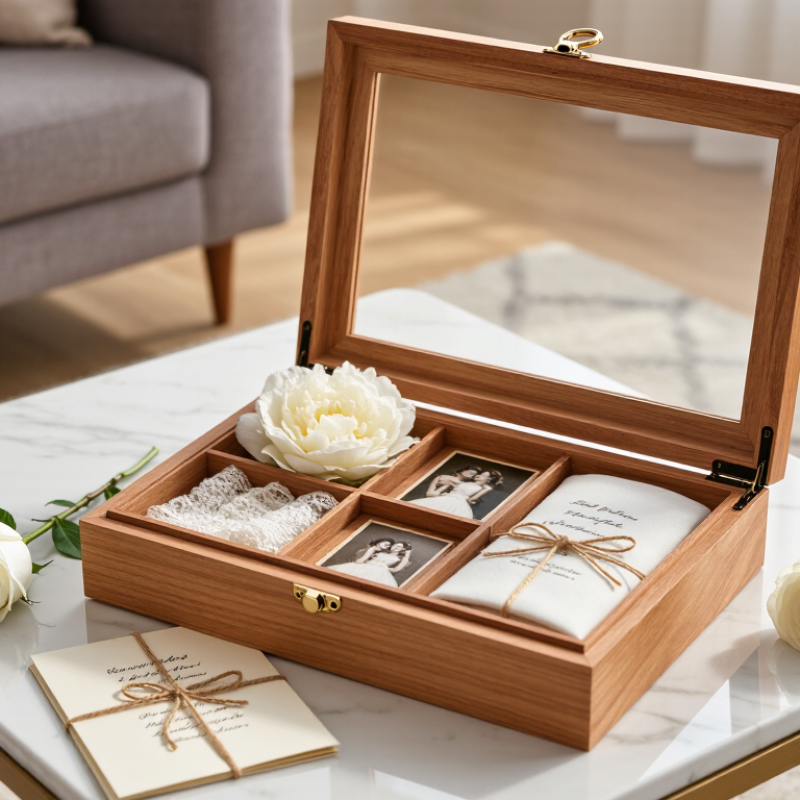
What Is a Wedding Memorial Box and Why Does It Matter?
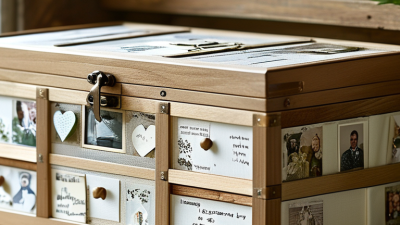
A wedding memorial box is a carefully chosen container for preserving objects connected to a wedding and the people who made it meaningful. It may hold vows, photographs, invitation cards, dried flowers, fabric, or a handwritten note from someone absent. Some couples also include small keepsakes from a parent, grandparent, or friend who has passed away.
Its value goes beyond storage. A box creates a physical place for memory. Years later, opening it can bring back the texture of lace, the scent of paper, or a nervous handwritten promise. It can also help families share stories with children who never met important relatives. That emotional purpose matters more than decoration. I used to think appearance came first. It does not always.
Choose materials that protect delicate contents. Acid-free paper, sturdy construction, and a secure closure can reduce damage from moisture, dust, and light. Avoid placing fresh flowers or damp items inside. Let everything dry completely before storage. A conservator would also recommend separating photographs from fabrics and checking the box occasionally. Small mistakes happen. A beautiful box can still fail if it is too small, difficult to open, or stored in a hot attic. Consider who will handle it, what it must contain, and whether its design reflects the couple’s shared history rather than a passing trend.
Which Materials and Designs Suit Your Wedding Memories?
How to Choose a Wedding Memorial Box in 2026?
A wedding memorial box should protect memories while reflecting the couple’s character. Archival paper, acid-free tissue, and cotton lining help reduce damage to invitations, vows, and photographs. Solid wood offers warmth and strength, but it needs a reliable finish and protection from damp rooms. Metal can provide excellent durability, although sharp interior edges may harm delicate paper. Glass allows beautiful display. It also admits light, which can fade photographs over time. Choose carefully.
The design should match the objects inside, not only the wedding theme. A shallow compartment suits rings, pressed flowers, and handwritten notes. A deeper section can hold fabric, ceremony programs, or a small cake topper. Removable dividers prevent items from rubbing together. Soft hinges and a secure closure also matter. I prefer discreet engraving over crowded decoration. Names, dates, or a short phrase usually age better than elaborate graphics. Leave some empty space. Memories may grow.
Placement affects preservation as much as materials. Keep the box away from radiators, sunny windows, kitchens, and humid bathrooms. A stable indoor shelf is safer than an attic with changing temperatures. Check that adhesives and printed fabrics are archival-safe before storing valuable pieces. A perfect design is difficult to find. I once underestimated how quickly thick invitations filled a box. That small mistake changed my advice: measure every keepsake before choosing the interior size.
How to Choose the Right Size and Storage Capacity
How to Choose a Wedding Memorial Box in 2026?
Size should follow the memories you plan to preserve, not the box’s appearance. The Knot’s 2023 Real Weddings Study recorded an average of 115 wedding guests. That often means more cards, photographs, favors, and handwritten notes than couples expect. Measure your largest items first. Include invitations, vows, dried flowers, fabric pieces, and small gifts. Then choose a box with 20–30% unused space. Tight storage can bend paper and crush delicate details.
Depth matters too. A shallow box suits photographs and stationery. A deeper box works better for bouquets, ceremony programs, or folded clothing. Check the interior dimensions, not the outside measurements. Acid-free paper, stable materials, and a secure but gentle closure support safer long-term storage. The Library of Congress recommends stable, archival-quality materials for valuable paper objects. That advice is easy to overlook. I once underestimated bouquet volume.
Tips: Sort items into “must keep” and “maybe” groups before shopping. Place the largest object inside first. Leave room for anniversary letters or future photographs. If the box feels almost full today, it is probably too small. The Wedding Report’s 2024 industry research also highlights personalization as a continuing wedding priority, so your keepsakes may be unusually varied. That is not a storage problem to ignore. Choose flexibility over perfect symmetry.
What Features Improve Protection, Organization, and Personalization?
How to Choose a Wedding Memorial Box in 2026?
A wedding memorial box should protect memories, not merely display them. The 2024 Real Weddings Study reported an average U.S. wedding cost of $33,000 and 117 guests. Those numbers show how many details deserve careful storage. Choose acid-free, lignin-free materials for paper invitations and vows. Use polyester sleeves for photographs. Avoid ordinary cardboard, which can release acids over time. Stable storage matters. Aim for a cool, dry room with limited sunlight. A crush-resistant shell and water-resistant finish add practical protection. They are not perfect, though.
Organization improves daily use. Select adjustable dividers for rings, fabric, dried flowers, and small cards. Removable labels prevent permanent mistakes. A shallow upper tray can protect delicate items from heavier objects. Check whether the hinges open fully. Poor access encourages careless stacking. ISO 18916 guidance for photographic materials supports clean enclosures and controlled storage conditions. A box with a clear, UV-filtering panel may help viewing, but prolonged light exposure still causes fading.
Tips: Measure the largest keepsake first. Leave 20% spare space. Add a soft, acid-free lining. Personalize with a date, handwritten note, or removable nameplate. Avoid excessive decoration inside. It can trap dust and reduce flexibility. I would choose repairable parts over a flawless appearance. Memories change, and the box should change with them.
How to Choose a Wedding Memorial Box in 2026?
Features that improve protection, organization, and personalization
This evidence-informed design benchmark rates each feature from 1 to 10 according to its practical contribution to long-term preservation, easy organization, or meaningful personalization. Acid-free and lignin-free materials help reduce paper deterioration, while UV-filtering elements, padded construction, archival dividers, and secure closures provide additional protection for photographs, letters, and small keepsakes.
How to Compare Quality, Cost, and Long-Term Value in 2026
Choosing a wedding memorial box in 2026 requires more than comparing photographs and prices. Quality appears in the details. Check the wood thickness, corner joints, hinge strength, and surface finish. A box should feel stable, not hollow or loose. When I compared several boxes, I noticed that cheaper models often used thin panels and weak metal fittings. They looked attractive online, but the lids shifted after repeated opening.
Materials affect long-term value. Archival conservation guidance generally favors acid-free paper, breathable fabrics, and protective glazing. These choices help reduce discoloration and moisture-related damage. Ask whether the lining is replaceable. Small details matter. Also measure your keepsakes before ordering. A wedding invitation, pressed flower, and photograph may need more space than expected. I once chose a compact box and later regretted it.
Cost should include more than the purchase price. Compare construction, interior protection, shipping, care instructions, and return terms. A slightly higher price may be reasonable if the box has reinforced joints and replaceable hardware. However, expensive does not always mean durable. Request clear material specifications and inspect customer photographs carefully. Long-term value also depends on daily use. Smooth hinges, a secure closure, and easy cleaning can prevent frustration years later. Keep the box away from direct sunlight and damp walls. It may hold sentimental items, but it still needs practical care.