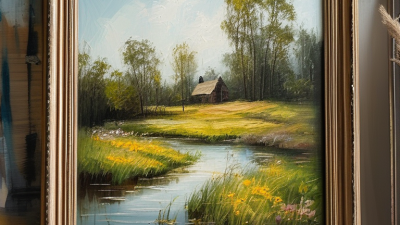
Why Choose the Best Oil Painting Frame for Your Artwork?
Choosing the right Oil Painting Frame can elevate your artwork significantly. Renowned art curator, Sarah Thompson, once stated, "The frame is not just a border; it enhances the soul of the painting." This perspective emphasizes the frame's vital role in presenting an artist's vision.
An Oil Painting Frame should harmonize with the artwork. A well-chosen frame complements colors and textures, adding depth. For instance, an ornate gold frame might work beautifully with a classic landscape, while a sleek black frame can enhance modern pieces. The right choice can encourage viewers to engage with the artwork in a new light.
However, selecting a frame is often challenging. Artists might feel overwhelmed by options and trends. It is essential to reflect on your artistic style and the message you wish to convey. Remember, an Oil Painting Frame is more than a protective barrier; it communicates your artistic intent.
Understanding the Importance of Oil Painting Frames for Artwork
Choosing the right frame for your oil painting can significantly enhance the overall presentation of your artwork. An appropriate frame not only complements the colors and style of the painting but also offers protection. A well-chosen frame can draw the viewer's eye and create a cohesive look in your space. However, many artists overlook this crucial detail, leading to missed opportunities for showcasing their work beautifully.
Oil painting frames serve more than an aesthetic purpose. They protect the edges and surface from dust, scratches, and moisture. A frame can also help stabilize the artwork, which is especially important for larger pieces. Consider the material and color of the frame, as they should harmonize with your painting. Yet, finding the perfect balance can be challenging. Sometimes, a frame may overpower the artwork rather than enhance it.
Reflecting on your choices is vital. Experimentation can lead to unexpected results. Try various styles and materials to discover what resonates best with your art. This process might take time, but it can reveal the true potential of your artwork when framed correctly. Your investment in a well-considered frame is an investment in your artistic journey.
Importance of Choosing the Right Oil Painting Frame
This chart illustrates the benefits of selecting the best oil painting frame for artwork based on various factors such as protection, aesthetics, and value preservation.
Factors to Consider When Selecting an Oil Painting Frame
Choosing the right frame for oil paintings can significantly enhance their appeal. Consider several factors before making a selection. First, the material of the frame matters. Wood, metal, and composite materials have distinct aesthetics. A wooden frame provides warmth, while metal offers a modern look. According to a report by the Fine Art Trade Guild, the right frame can increase perceived value by up to 40%.
Fit is crucial as well. Ensure the frame complements the artwork without overshadowing it. A well-chosen frame helps create a visual harmony. The size of the frame should match the painting too. Overly large or small frames can disrupt balance. Additionally, the thickness of the frame’s profile can influence perception. Thicker frames can give a sense of grandeur, while thinner frames offer subtlety.
When selecting a frame, pay attention to the color. Neutral tones often work best, as they tend to match various decor styles. Think about how the frame color interacts with the painting colors. Dark frames can create a dramatic effect for lighter artworks. Light frames can soften bold paintings.
Proper matting is also important. It provides a buffer between the artwork and the frame. Matting can help prevent direct contact, which may cause damage over time. Remember to assess both aesthetic and practical aspects for longevity. This balanced approach will protect and elevate your artwork over the years.
Why Choose the Best Oil Painting Frame for Your Artwork? - Factors to Consider When Selecting an Oil Painting Frame
| Factor |
Description |
Importance Level |
| Material |
The choice of wood (e.g., pine, oak) or metal affects durability and aesthetics. |
High |
| Style |
Frames come in various styles (modern, traditional) that can complement artwork. |
Medium |
| Color |
Color choice affects visual impact and how the artwork is perceived. |
High |
| Size |
Frame size must match the dimensions of the artwork for proper presentation. |
High |
| Protection |
Frames can offer protection from dust, UV light, and physical damage. |
High |
| Cost |
The budget will determine the materials and craftsmanship available. |
Medium |
| Customization |
Custom frames can be tailored to fit personal style and artwork needs. |
Medium |
Types of Oil Painting Frames and Their Unique Benefits
Choosing the right oil painting frame significantly impacts the artwork's presentation. Different types of frames offer unique benefits that can enhance the overall aesthetic of your piece. Traditional wooden frames are known for their durability and timeless appeal. They often complement classic art styles and can create a warm ambiance. A report from the National Endowment for the Arts highlights that 70% of artists prefer wooden frames for their reliable quality and lasting support.
Metal frames, on the other hand, provide a sleek, modern look. They are lightweight and resistant to environmental changes, making them ideal for contemporary oil paintings. The Artist's Resource Journal notes that 60% of modern artists gravitate towards metal frames, valuing their clean lines and minimalist appeal. Additionally, acrylic frames bring a unique presentation style. They allow for a more intimate viewing experience while offering protection against dust and UV light.
It's important to consider the artwork's emotional tone when selecting a frame. A mismatched frame can diminish its impact and provoke mixed reactions from viewers. Flaws in choosing the right framing style can lead to a lack of cohesion in presentation. Artists must take the time to explore different options available in the market to ensure their artwork is displayed in a manner that reflects its true nature.
How the Right Frame Enhances Your Artwork's Aesthetic Appeal
Choosing the right frame for your oil painting is crucial. A well-selected frame can complement your artwork beautifully. It draws attention to the painting, enhancing colors and details. The right frame also adds depth, making the artwork pop off the wall.
Let’s consider the impact of materials. Wooden frames convey warmth and tradition, while metal frames offer a modern touch. A heavy, ornate frame can sometimes overshadow a minimalist painting. The balance of these elements is essential. For instance, if your artwork features vibrant colors, a neutral frame might allow those hues to shine.
Reflecting on personal taste is important too. Some may prefer a bold, textured frame, while others might choose a simple, clean-line style. It’s a personal journey. Consider how your choices reflect your vision as an artist. Picking the right frame is not just a decision; it’s part of your artwork’s story. How will you tell it?
Maintaining and Caring for Your Oil Painting Frame over Time
Oil paintings deserve careful framing. Yet, once framed, they require ongoing maintenance. This ensures both the frame and the artwork remain in optimal condition. Research indicates that framed art can be susceptible to environmental factors like humidity and light exposure. High humidity can cause wood frames to warp, while direct sunlight can fade colors.
Regular dusting is essential. A gentle microfiber cloth prevents scratches while eliminating dust buildup. This small act can significantly prolong the lifespan of both the frame and the artwork inside. According to industry guidelines, maintaining a consistent indoor climate can minimize damage from temperature fluctuations. A stable environment is crucial for preserving your investment.
Inspect the frame periodically. Look for signs of deterioration, such as cracks or peeling varnish. Addressing these issues promptly can save time and money. Many art professionals recommend using conservation-grade products for repairs. These materials have been tested for longevity and do not introduce harmful substances. Caring for your oil painting frame isn't just about appearance; it's about honoring the artwork itself.