Leave Your Message

How to Choose the Best Poster Frame in 2026

Choosing the best Poster Frame in 2026 is not just a matter of matching black wood to a wall. The right choice protects the print, suits the room, and keeps attention on the image. A narrow frame can sharpen a bold concert poster; a wide mat can give a vintage travel print more breathing room. Small details matter. Measure the artwork, including its borders, before shopping. Then check the frame’s inner dimensions, glazing, backing, and hanging hardware. A few millimeters can change the fit.

Picture-framing educator Vivian C. Kistler is often associated with a useful principle: “Protect the artwork, and let the image lead.” Treat that as a guide, not a rigid rule. For prints displayed in bright rooms, UV-filtering glazing may help reduce light damage, though no glazing stops every risk. Choose acrylic for lighter weight and safer handling, or glass for a familiar, crisp finish. Consider acid-free mats and backing for valuable or sentimental posters. They may cost more. Sometimes the simplest frame works best.

This guide compares frame materials, sizes, glazing, matting, and display needs, with practical advice for common poster formats. It also considers budget, installation, and the look of the room. There is no perfect choice for every print. A glossy frame may reflect a nearby window; a deep frame may feel heavy on a narrow wall. I would not choose from a product photo alone. Check measurements and finish samples where possible, and remember that personal taste can still surprise you.
How to Choose the Best Poster Frame in 2026

Poster Frame Types and Their Key Features

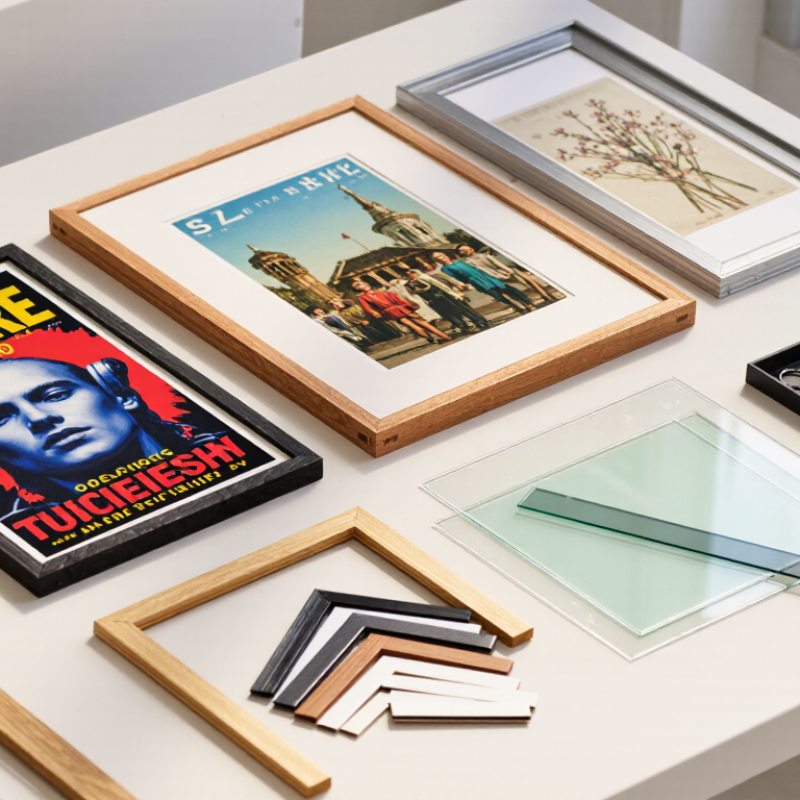
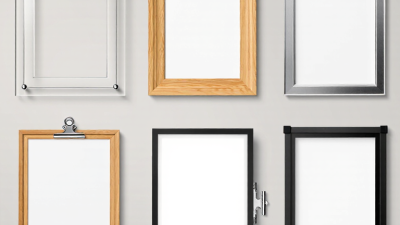
Poster frames differ in how they support, protect, and display a print. A slim metal frame gives crisp edges and suits modern rooms. Wood adds warmth, but a heavy profile can overwhelm a small poster. Clip frames keep artwork visible to its edges and cost little, though clips may loosen with repeated changes. Poster rails grip the top and bottom, making them light and easy to hang, but leave paper exposed. For prints you handle often, choose a frame with a backing board and clear glazing. Acrylic is lighter and less likely to shatter than glass, while glass often looks clearer. Neither is perfect. Glare can hide fine text near a sunny window.

Tips: Measure the poster itself, not just its advertised size. Check whether the frame includes a mat, since its opening may cover a narrow border. In damp rooms, use a sealed back and avoid pressing the print against the glazing. Keep a small gap.

I still misjudge frame depth sometimes; a thick frame can cast a distracting shadow under a desk lamp. Match the frame to the poster’s paper and setting, not only its colors. A large, thin print may need firm backing to stay flat. If you change artwork often, choose easy-open tabs and check their tension before hanging. For a busy wall, simple edges help the image stand out. Small detail, big difference.
Measuring a Poster for the Correct Frame Size

Lay the poster flat on a clean table before measuring. Smooth it gently; don’t stretch curled edges. Use a metal tape measure or a rigid ruler, and record the width and height in the same units. Measure the paper’s outside edges if you want the entire sheet visible. If you only want the printed image inside the frame, measure that area instead. Measure twice. A small error can leave a distracting gap or hide part of the design.

Check the frame’s listed opening size, not just its outside dimensions. The outer frame includes the molding, which does not tell you what poster will fit. If you plan to add a mat, confirm both the frame size and the mat’s window size. The window is usually cut slightly smaller than the artwork, so its edges hold the poster in place. This detail is easy to miss, even when the numbers look obvious. For an unusually sized print, compare your measurements with the frame’s stated fit before buying; standard labels can be rounded, and that difference may matter.

Choosing Frame Materials, Glazing, and Backing

A poster frame should suit both the print and the room around it. Solid wood adds warmth and visual weight, while aluminum gives a slimmer, lighter profile. In a sunny room, finish matters too: dark frames can make bright artwork feel sharper, but may look heavy on a small wall. Measure the poster itself, not just the paper border. A few millimeters can change the fit.

Glazing affects clarity and protection. Standard glass resists scratches and gives a crisp view, though it is heavy and can break if knocked. Acrylic is lighter and less prone to shattering, but it scratches more easily and can cling to delicate media through static. UV-filtering glazing may slow fading, but it cannot stop all light damage. Glare is easy to underestimate; check the frame near a window at different times of day. That can feel fussy.

The backing should hold the poster flat without pressing it against the glazing. Choose a rigid, acid-free backing for long-term display, and use a mat if the artwork needs a little breathing room. Check that the hanging hardware matches the frame’s weight and wall. I’d also leave room for a small mistake: dimensions on older prints are not always perfectly square. A careful fit is useful, but forcing a tight frame can crease an edge.

How to Choose the Best Poster Frame in 2026

Frame material affects weight and handling. This chart compares representative material densities; actual values vary by wood species and product construction.

Choosing glazing and backing: Clear glass resists scratches, while acrylic is lighter and more shatter-resistant. UV-filtering glazing can help reduce light-related fading. For backing, choose a rigid, acid-free option for long-term display; ordinary cardboard may discolor or become acidic over time. A frame’s actual weight also depends on its profile, size, glazing, and backing.

Matching Frame Style to Display Location

A poster’s setting should guide its frame as much as its colors do. In a bright hallway, glass can catch window glare and make the image hard to see. A matte finish or low-reflection glazing may help, though it can slightly soften the view. A narrow wood frame suits a calm, lived-in room; a thin metal profile often feels cleaner in a modern office. Hold a sample against the wall if possible. Lighting changes everything.

In a living room, choose a frame that relates to nearby furniture without matching every piece exactly. A warm oak frame can echo a wooden shelf, while a simple white frame gives a colorful print room to breathe. For a child’s room or a busy passage, lightweight acrylic glazing is less prone to dangerous shards than ordinary glass. It can scratch more easily, so clean it with a soft cloth. Small details matter.

Kitchens and bathrooms bring humidity and frequent temperature changes. Use a securely fitted backing, and avoid placing valuable prints beside sinks, stovetops, or steamy showers. Even a well-made frame cannot protect paper from persistent dampness. Measure the poster and the wall space before ordering; a frame that looks generous online may crowd a narrow wall. I would sometimes choose a less dramatic frame simply because it suits the room better. That compromise is not always exciting, but it often feels right over time.

Comparing Durability, Preservation, and Cost

A poster frame has three competing jobs: stay straight, protect paper, and fit your budget. Durability starts with the frame material and joinery. Solid wood can feel substantial, but poorly joined corners may open after repeated moves. Aluminum is light and resists warping, though thin rails can dent. Check the corner seams, hanging hardware, and whether the backing sits flat. The frame should not twist when lifted.

Preservation depends less on appearance than on contact and light. For valuable or sentimental prints, choose UV-filtering glazing and acid-free matting and backing. UV filtering slows fading; it does not stop it. Keep the frame away from direct sun, radiators, and damp walls. Ordinary glass can be clearer and cheaper, but it is heavier and may break. Acrylic weighs less and resists shattering, yet scratches easily during cleaning. Use a soft microfiber cloth. Small detail. Avoid pressing artwork tightly against glazing; moisture can make paper stick.

Cost means more than the shelf price. A low-cost frame may need replacing, while custom sizing and conservation materials raise the initial bill. Measure the poster, including any mat border, before buying. For a common print in a dry room, a sturdy ready-made frame may be enough. For a fragile or irreplaceable piece, better backing may justify the added cost. Still, expensive does not automatically mean protective; check material specifications, not just polished finishes. That is an easy mistake.

How to Choose the Best Poster Frame in 2026 — Comparing Durability, Preservation, and Cost

Frame option Durability and weight Light and print protection Typical cost for a 24 × 36 in frame (USD) Best suited for Things to consider
Basic metal frame with standard glass Rigid and generally resistant to warping; glass adds weight and can break if struck. Standard glass reduces some UV exposure but is not full UV protection. It does not prevent fading from all visible light. $40–$120 Everyday posters displayed in lower-risk indoor areas. Check that the backing and any mat touching the poster are acid-free if long-term preservation matters.
Wood frame with standard glass Sturdy and heavier than many metal frames. Wood may expand or contract with changes in humidity. Protection depends mainly on the glazing and display conditions, not the wood frame itself. $50–$180 Home displays where a traditional frame style is preferred. Use a mat or spacer to keep the print from touching the glazing. Avoid damp locations.
Metal frame with UV-filtering glass Durable frame; glass is relatively heavy and may break on impact. UV-filtering glazing commonly blocks about 97–99% of UV radiation, depending on the product. It cannot stop all light-related fading. $100–$300 Valuable or sentimental posters displayed where glass weight is manageable. Ask for the glazing’s stated UV rating. Keep the poster out of direct sunlight even with UV-filtering glass.
Metal frame with UV-filtering acrylic Lighter and more impact-resistant than glass; acrylic can scratch more easily. Conservation-grade UV-filtering acrylic can block a high percentage of UV, often around 98–99%, depending on the specification. $130–$350 Large posters, busy spaces, or displays where reduced weight and shatter resistance are priorities. Clean with a soft cloth and an acrylic-safe cleaner. Follow manufacturer guidance to reduce static near fragile media.
Wood frame with UV-filtering glazing and archival mat Substantial and generally sturdy; total weight varies with the frame, mat, and glazing. UV-filtering glazing helps limit UV exposure. An acid-free, lignin-free mat and backing help reduce contact with damaging materials. $150–$450+ Long-term display of collectible or sentimental posters. Archival materials slow some forms of deterioration but do not make a display completely fade-proof. Keep it away from sunlight, heat, and humidity.
Ready-made frame with acrylic glazing Lightweight and less likely to shatter than glass; the frame and hardware may be less robust than custom options. UV protection varies. Standard acrylic should not be assumed to provide conservation-grade UV filtering. $25–$90 Budget-conscious displays, dorm rooms, and temporary decoration. Confirm the actual opening size and glazing specification. Replace non-archival backing if preserving the print is important.

Price note: These are broad US retail estimates for a 24 × 36 in frame, not quotes; prices vary with glazing, matting, frame construction, and whether the frame is custom-made. For better preservation, use acid-free materials, keep the poster from touching the glazing, and display it away from direct sunlight and damp conditions.