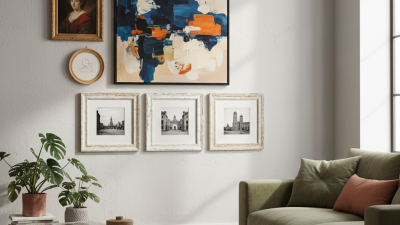
Top Tips to Study Art Frame for Global Buyers?
In the ever-evolving market of art, understanding how to effectively "Study Art Frame" is crucial for global buyers. Renowned art consultant, Dr. Emily Carter, highlights, "The frame is not merely a border; it defines the artwork’s context." This insight is invaluable for anyone looking to make informed purchases in the competitive art arena.
Art frames have the power to enhance or detract from a piece. Buyers often overlook this critical factor. Knowing the nuances of different framing styles is essential. Dimensions, materials, and colors all play pivotal roles. Each choice influences the artwork’s presentation. A poorly chosen frame can diminish the art's impact, while a well-selected one elevates it.
However, a perfect selection is rare. Buyers frequently face dilemmas. Trends change, and personal preferences can clash with expert advice. Reassessing past choices fosters growth. A learning mindset helps buyers navigate the complexities of art framing. As such, mastering the art of studying frames can lead to better purchases and a deeper appreciation of art itself.

Understanding the Importance of Art Frames for Global Buyers
Understanding the importance of art frames for global buyers is essential in today’s market. A strong frame can highlight the artwork, enhancing its appeal and value. In fact, a study by the National Endowment for the Arts revealed that well-framed art can increase a piece's perceived value by over 30%. This highlights the economic impact of proper framing.
Aesthetic considerations also play a role. Frames serve as a bridge between the artwork and its environment. They define the space around the art, contributing to visual harmony. Professionals in the field often emphasize that the right choice can elevate a piece from ordinary to extraordinary. Despite these insights, many buyers overlook the frame's significance.
Comfort and functionality are crucial aspects too. Look for frames that protect the art while fitting into your space. Not all options are created equal; some materials can damage artwork over time. This can lead to regret later. Investing in frames that combine quality and design is a challenge that art buyers must navigate. The choices can be overwhelming, but the right frame makes a lasting impression.
Key Factors to Consider When Choosing Art Frames
When choosing art frames, several key factors can influence global buyers. Material plays a critical role. Wood, metal, and plastic each offer unique aesthetics and durability. For example, a report from the International Market Analysis shows that wooden frames account for approximately 45% of the art frame market due to their classic appeal.
The frame’s size and compatibility with the artwork are also essential. An ill-fitting frame can disrupt the harmony of a piece. Consider how the art will be displayed. Frames with UV protection are gaining traction, as they help preserve colors and prevent fading. A study indicated that 35% of buyers prioritize UV protection when selecting frames.
Tip: Always measure your artwork before purchasing. This simple step can prevent costly mistakes. Another tip is to consider the style of your space. A modern home may benefit from sleek metal frames, while a traditional interior might call for ornate wooden designs. Reflect on how the frame complements your artwork and surroundings. This consideration can enhance visual impact and ensure a cohesive look.
Popular Art Frame Styles and Trends in the Global Market
The global art frame market is evolving rapidly. Popular styles reflect current trends. For instance, minimalist frames have gained traction, appealing to modern aesthetics. According to recent data from Market Research Future, the art frame market is projected to grow at a CAGR of 6.5% from 2023 to 2030. This growth indicates a rising demand for stylish and functional frames.
Another trend is the resurgence of vintage frames, which evoke nostalgia and character. Many buyers seek unique pieces that tell a story. In recent surveys, over 45% of art buyers prefer eclectic styles, blending contemporary with classic. This blend is particularly visible in home décor, where art frames serve as focal points. Consumers are showing a preference for frames that enhance the artwork while reflecting personal style.
Additionally, sustainability cannot be overlooked. Eco-friendly frames made from reclaimed materials are increasingly popular. Data from Statista shows that up to 30% of consumers prioritize sustainable choices when purchasing home décor. Buying these products reflects a commitment to the environment. Despite this, the challenge lies in balancing aesthetics with sustainability. Many buyers must consider whether a beautiful design compromises environmental impact.
Best Practices for Maintaining and Preserving Art Frames
When it comes to maintaining and preserving art frames, understanding environmental factors is crucial. For instance, excessive moisture can warp wood and damage the artwork. The American Institute for Conservation suggests keeping indoor humidity levels between 40%-60%. This balance helps ensure that both frames and artworks remain stable.
Lighting also plays a significant role in preservation. UV rays can cause fading and discoloration. Research indicates that artwork exposed to direct sunlight can fade significantly within just six months. Using UV-filtering glass can minimize this risk. Additionally, rotating artworks periodically can help distribute light exposure evenly. It's important to remember that not all frames can withstand the same conditions. Some materials, like metal, may react differently compared to wood.
Regular cleaning is essential, but it must be done delicately. Dust and dirt can accumulate and damage surfaces. An industry report states that neglecting regular upkeep can lead to irreversible damage over time. Use a soft, dry cloth, and avoid any cleaners with harsh chemicals. Art frames deserve attention and care, but finding the right methods often requires trial and error. Every choice can have lasting effects on the piece's longevity.
Effective Marketing Strategies for Art Frame Retailers Worldwide
Effective marketing strategies for art frame retailers can significantly enhance visibility and attract global buyers. Understanding local trends is key. Research cultural preferences to tailor your frames accordingly. Different regions may favor various styles or materials.
Engage with online communities. Use social media platforms to showcase your frames. Share high-quality images and customer testimonials. Authentic content builds trust and encourages shares. Consider collaborations with local artists for unique collections.
Don’t underestimate feedback. Often, customer suggestions highlight areas for improvement. Assess your product range regularly. What works well in one market might not in another. Make adjustments based on sales data and customer insights. Experience teaches resilience; learn from unsuccessful campaigns to refine your approach.