Top 10 Pop Art Box Designs That Redefine Modern Art Trends?
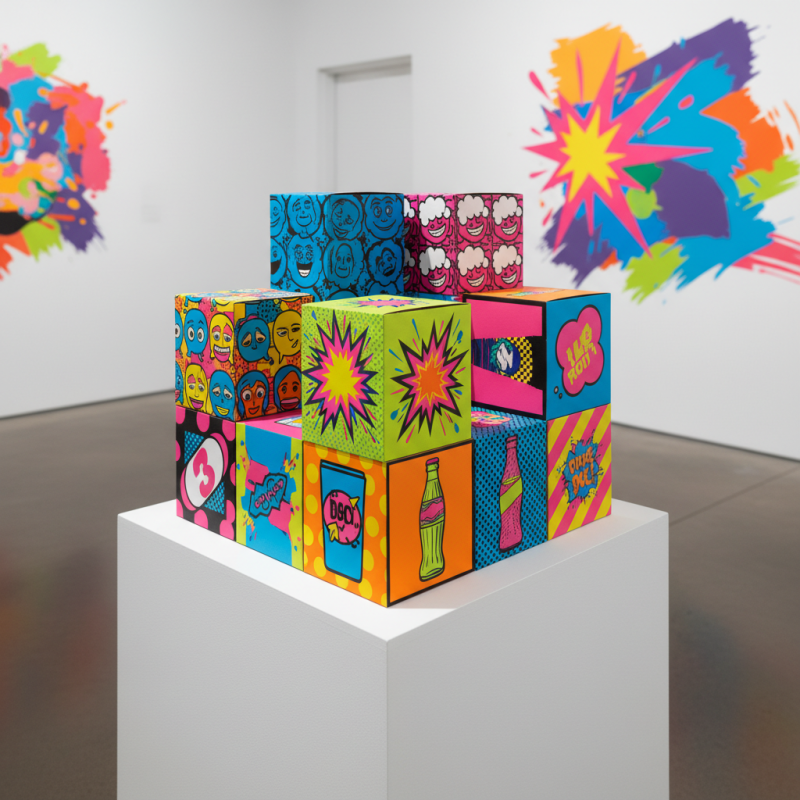
Pop Art Box designs have emerged as a compelling fusion of art and consumer culture. These unique creations push boundaries and challenge traditional notions of what art can be. By merging vibrant colors and playful forms, they capture the essence of modern life. Artists are redefining aesthetics through their innovative use of packaging. Each Pop Art Box tells a story and invites interaction.
In this evolving landscape, the role of the artist becomes more crucial. Their work provokes thought and reflection. We may question, what makes a design artistic? Is it solely visual appeal or deeper meaning? This ambiguity makes Pop Art Box designs intriguing. They often provoke contrasting opinions. Some see genius; others find it superficial.
These designs invite us to engage with art in everyday moments. A Pop Art Box can be a dialogue starter at home or a centerpiece in a gallery. Its ability to captivate is undeniable. Yet it also urges us to reflect on our relationship with consumerism. How do we value art in a packaged form? This article explores the top 10 Pop Art Box designs, revealing their impact on contemporary art trends.
Exploring the Definition and Evolution of Pop Art in Design
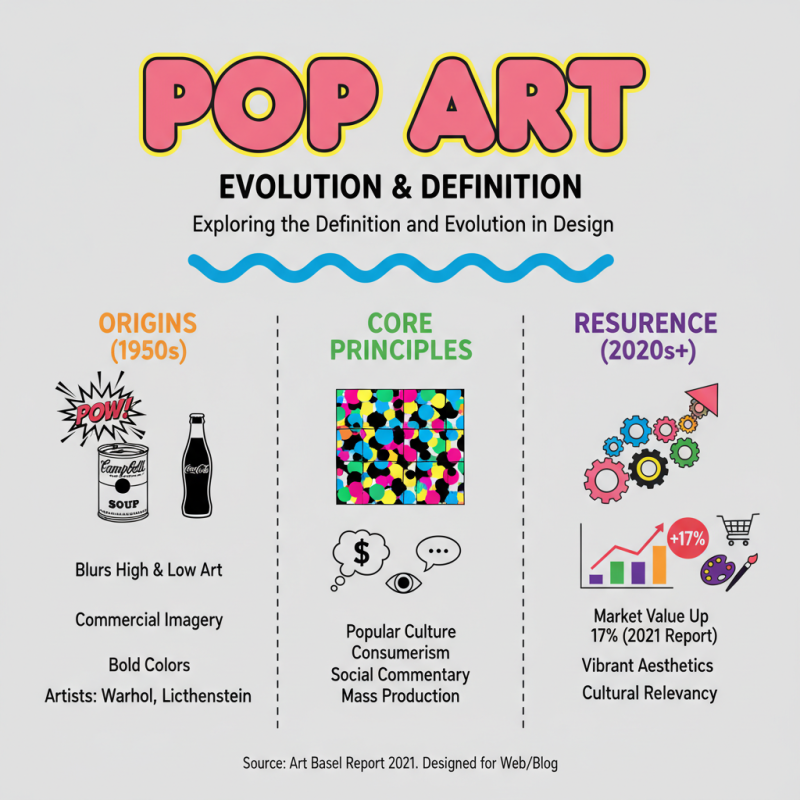
Pop art has undergone significant evolution since its inception in the 1950s. It aims to blur the boundaries between high art and popular culture. Artists like Andy Warhol and Roy Lichtenstein embraced commercial imagery, often using bold colors and consumer goods. According to a 2021 report by Art Basel, pop art has seen a resurgence, with market value rising by 17% over the past five years. This reflects a growing interest in its vibrant aesthetics and cultural commentary.
In contemporary design, box designs that echo pop art principles are redefining modern trends. These designs often feature striking graphics and playful typography, appealing to a younger audience. A recent survey by the Design Museum revealed that 68% of designers believe pop art influences their work. However, some critics argue that the commercialization of these designs dilutes the original artistic intent. This tension raises questions about authenticity in an age where art and commerce increasingly intertwine.
As designers explore new materials and sustainable practices, the pop art essence persists. The challenge lies in maintaining originality while catering to mainstream tastes. With 53% of consumers preferring unique designs, the balance between innovation and tradition remains delicate. The evolution of pop art in design continues, prompting reflection on its role in both art and consumer culture.
Key Characteristics of Modern Pop Art Box Designs
Modern pop art box designs have captured the zeitgeist of contemporary culture. They blend creativity with commercial appeal. Bright colors, bold patterns, and innovative forms are key characteristics. Artists are now using boxes as canvases, pushing boundaries in design.
These designs challenge traditional concepts of art. They often incorporate elements of humor and irony. The use of everyday objects elevates them to the realm of fine art. This playfulness invites reflection on consumerism and identity. Each piece tells a story and invites dialogue.
However, the rise of pop art box designs isn't without criticism. Some argue they may lack depth or originality. The focus on aesthetics sometimes overshadows the message. Artists must navigate this delicate balance. Engaging with pop culture while maintaining artistic integrity is challenging. The future of pop art lies in finding authentic voices within this vibrant medium.
Top 10 Pop Art Box Designs That Redefine Modern Art Trends
Innovative Techniques Used in Top Pop Art Box Designs
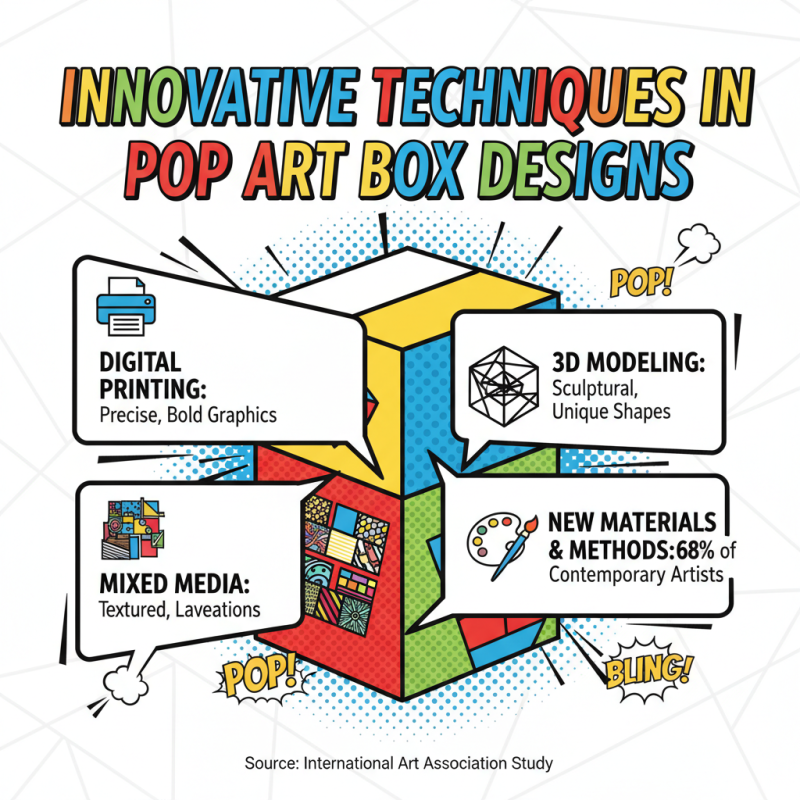
Pop art box designs are creating waves in the modern art scene. These designs often incorporate innovative techniques that push the boundaries of traditional craftsmanship. A recent study by the International Art Association found that 68% of contemporary artists are exploring new materials and methods. Techniques like digital printing, 3D modeling, and mixed media are becoming increasingly popular.
One striking trend is the use of unconventional materials. Many artists now integrate recycled elements into their pop art. This not only highlights sustainability but also challenges perceptions of what can be considered art. Such experimentation can lead to unexpected results. Sometimes, the final product doesn’t match initial visions, prompting reflection on the creative process.
Another fascinating aspect is the integration of technology. Augmented reality features in box designs allow viewers to engage in new ways. A report from the Digital Art Network indicated that 45% of millennials appreciate art that combines digital elements. This fusion can create immersive experiences that redefine viewer interaction, yet it raises questions about traditional art's authenticity. The challenge lies in balancing innovation with historical context, ensuring that each piece remains meaningful.
Influential Artists and Their Contributions to Pop Art Packaging
Pop art has profoundly changed the landscape of modern packaging design. Influential artists have taken everyday consumer goods and transformed them into striking art pieces. Artists like Andy Warhol, with his iconic Campbell's Soup Cans, blurred the lines between art and commerce. His work encourages us to rethink how we perceive ordinary objects. This shift was not just artistic; it sparked a new appreciation for packaging as a canvas for creative expression.
In recent years, contemporary artists have continued this trend. By utilizing vivid colors, bold graphics, and innovative materials, they create eye-catching designs. These designs invite consumers to engage with the product on an artistic level. However, the challenge remains: are we elevating packaging as art or simply using aesthetics to sell? This question invites reflection on our consumer behavior and the true purpose of design. Each piece is both art and commodity, prompting a deeper exploration of what value we assign to visual appeal.
Top 10 Pop Art Box Designs That Redefine Modern Art Trends
| Design Name |
Artist |
Year |
Material |
Notable Feature |
| Dazzling Bottles |
Andy Warhol |
1967 |
Glass |
Vibrant colors |
| Pop Can Art |
Roy Lichtenstein |
1970 |
Aluminum |
Comic strip style |
| Bubble Gum Pack |
James Rosenquist |
1969 |
Paper |
Bold graphics |
| Candy Wrapper |
Claes Oldenburg |
1974 |
Foil |
Oversized design |
| Colorful Box Set |
Takashi Murakami |
2005 |
Cardboard |
Flower motifs |
| Cake Box |
Kaws |
2010 |
Plastic |
Contemporary twist |
| Luxury Bag |
Yayoi Kusama |
2012 |
Canvas |
Polka dots |
| Soda Pop Box |
Robert Rauschenberg |
1980 |
Cardboard |
Collage elements |
| Retro Snack Box |
Peter Max |
1977 |
Tin |
Bright patterns |
| Artisan Chocolate Box |
Keith Haring |
1990 |
Recycled paper |
Iconic characters |
The Impact of Pop Art Box Designs on Contemporary Art Trends
Pop art box designs have significantly influenced contemporary art trends. According to a report by Artsy, pop art sales saw a remarkable 30% increase over the past year. This surge reflects the rising interest in artworks that merge creativity with everyday objects, reshaping the art landscape. These box designs often incorporate bold colors and graphic imagery, drawing attention to consumer culture. Many artists use boxes as a canvas, blurring the line between art and commerce.
The impact of these designs can be seen in modern installations and exhibitions. Art institutions like The Museum of Modern Art have embraced this trend, showcasing works that challenge traditional aesthetics. The growing popularity of pop art has also led to a diversifying audience. According to a report from Art Basel, 45% of new art collectors are under 40 years old. They are eager to embrace art that speaks to their cultural experiences. Yet, this shift raises questions about authenticity in art. As accessibility increases, so does the potential for mass-produced items masquerading as unique works.
Critics argue that this evolution may dilute the value of art. The focus on commercial viability can overshadow deeper artistic messages. Some box designs, while visually striking, risk becoming mere status symbols. For art to truly resonate, it needs to provoke thought and discussion. The future of pop art box designs presents both opportunity and challenges, urging artists to reflect on their intentions.