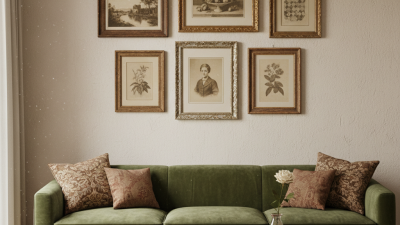
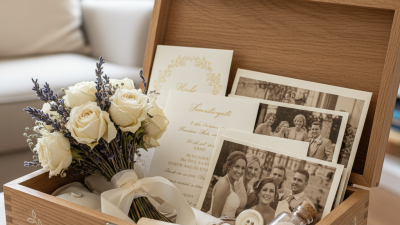
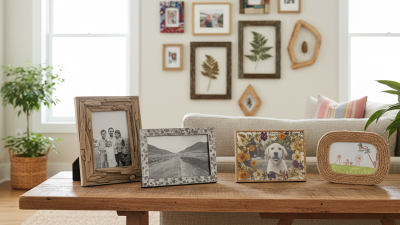
In today’s creative spaces, the right Poster Frame can enhance aesthetics and inspire innovation. A recent report by the Fine Art Trade Guild reveals that framed art can increase customers' engagement in retail environments by 27%. This statistic underscores the importance of selecting the ideal frame to complement artistic expression. The right frame not only showcases art but also reflects the personality of the space.
Choosing the right Poster Frame design is essential for fostering creativity. Minimalist frames can create a clean look, while ornate designs can add a touch of elegance. Interestingly, survey data from Art Foundation indicates that 65% of consumers believe that well-framed art significantly impacts their mood. However, many still struggle with selecting frames that appropriately match their vision.
Reflecting on current trends, we find that many individuals overlook the importance of thoughtful frame selection. Different styles can evoke various emotions. A poorly chosen frame may detract from an artwork's impact. The challenge lies in balancing personal taste with aesthetic coherence. Investing time in frame choices can lead to more inspiring spaces. Exploring poster frame designs can guide individuals towards creating vibrant environments.
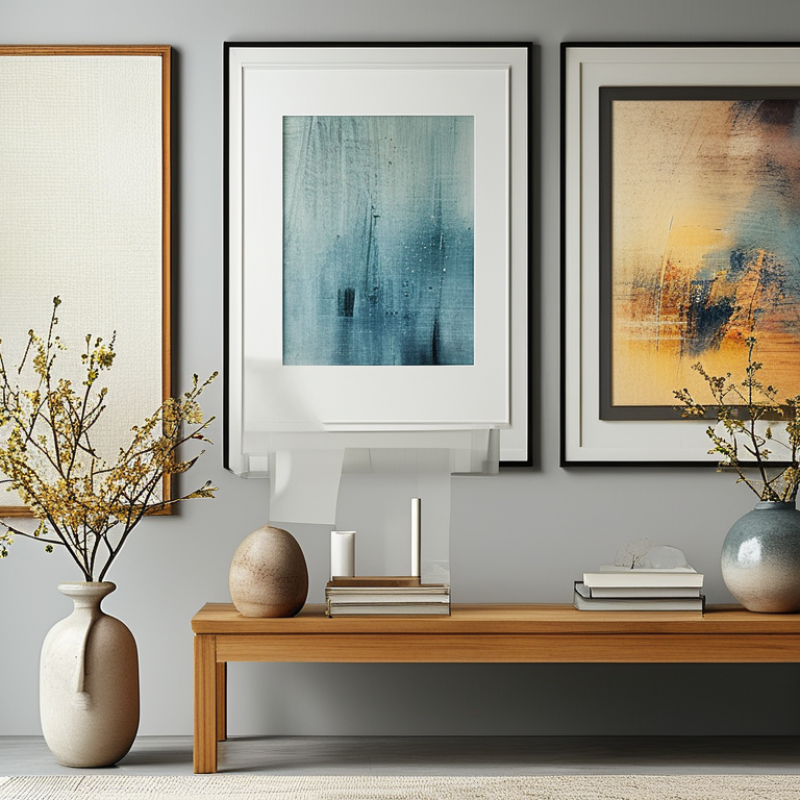
In contemporary creative spaces, poster frames are evolving rapidly due to innovative materials.
Traditional wood and metal frames are being replaced by eco-friendly options. For instance, frames made from recycled plastics are gaining popularity. Reports show that 67% of designers prefer sustainable materials. This shift not only supports the environment but also appeals to a younger audience.
Moreover, the rise of acrylic frames offers a sleek, modern aesthetic. Acrylic is lighter and more durable than glass. An industry study found that 48% of designers reported using acrylic for its clarity and versatility. However, acrylic can be prone to scratching, and this poses a challenge for long-term use. Finding the right balance between aesthetics and durability is essential.
Textile-based frames have also emerged, encouraging a tactile experience. Fabrics can add warmth to a creative space, but they are harder to clean and maintain. This raises questions about practicality in high-traffic areas. Ultimately, exploring innovative materials leads to exciting designs, but it is crucial to address their limitations.
Engaging with these materials can push the boundaries of creativity while inviting reflection on their practical applications.

Creating a unique and sustainable creative space goes beyond just artwork. The framing method you choose can significantly impact how your pieces are perceived. Eco-friendly poster frames are not only stylish but also help reduce environmental impact. They are made from sustainable materials and can enhance your artwork’s appeal without harming the planet.
When selecting eco-friendly frames, look for those made from reclaimed wood or recycled materials. These choices not only minimize waste but also add character to your space. A rustic wooden frame can evoke a warm, inviting atmosphere. Metal frames made from recycled aluminum are durable and provide a sleek, modern touch. Remember, these materials often have unique imperfections that tell their story, adding depth to your art.
Tips: Consider DIY projects with natural materials. This can personalize your space. Experiment with hanging methods that allow for flexibility in displaying your art. Use biodegradable adhesives for mounting, ensuring a low-impact approach. Embracing eco-friendly framing means respecting the planet while showcasing your creative vision. Reflect on how each piece interacts with your environment—small details can lead to larger conversations about sustainability.
Colorful frame designs significantly enhance the visual appeal of creative spaces. A well-chosen frame can draw attention and spark inspiration. For instance, vibrant red or blue frames can bring warmth to an otherwise neutral space. This contrast creates a lively atmosphere, ideal for brainstorming areas or creative studios.
Choosing the right color and style for your frame is essential. A mismatched frame can disrupt the harmony of the room. Consider using unconventional shapes, like hexagons or circles, to break the monotony. Adding layers with various shades allows for more depth and interest. The key is to balance bold colors with subtle tones to avoid overwhelming the viewer.
Incorporating textures is another way to elevate frame designs. Wooden or metallic frames introduce an organic or modern feel. However, mixing too many textures may lead to chaos. It's crucial to experiment carefully. Reflect on how each design influences the creativity within the space. Each frame should not only appeal visually but also immerse you in inspiration.
Minimalist frames have become a favorite choice in creative spaces. Their clean lines and simple forms allow artwork to shine without distraction. By focusing on the essence of design, these frames contribute to a harmonious environment. They create a subtle backdrop that complements various artistic styles, from bold abstracts to delicate sketches.
Using minimalist frames does not mean sacrificing individuality. Many designs feature unique textures or colors that enhance the aesthetic. For instance, a matte black finish can provide a striking contrast to vibrant art. On the other hand, a natural wood texture adds warmth and organic appeal. It’s essential to choose frames that resonate with your personal taste and artistic vision.
However, it’s important to reflect on the functionality of these frames. While they often look stunning, they may not always provide optimal support for larger pieces. Smaller frames can sometimes feel lost in expansive walls. When selecting frames, consider both visuals and practicality. This balance can elevate the overall impact of your art display, fostering an inspiring atmosphere in your creative space.
Creating a creative space requires the right poster frame design. Choosing versatile frame styles is key. Such frames should complement various artistic themes. For example, minimalistic frames work well with contemporary art. They allow the artwork to shine without distraction. Bold, colorful frames can energize a playful environment. They enhance the vibrancy of kids' artwork or abstract pieces.
Tips: When selecting a frame, consider the colors in your artwork. Choose frames that either contrast or harmonize with these colors. This enhances visual appeal. Look for materials that resonate with your space. Wood can add warmth, while metal may lend a modern touch.
Framing can sometimes feel overwhelming. You might find yourself drawn to multiple styles. It's okay to mix and match. Experimentation can lead to unique displays. Reflect on your artistic preferences and allow your frames to evolve with your style. Don't stress about perfection; the beauty lies in personal expression.