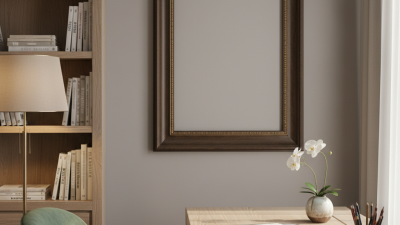
Choosing the right Oil Painting Frame is not simply a matter of matching gold with a traditional canvas. Global buyers must consider protection, climate, shipping conditions, and interior style together. A frame that looks elegant in London may react differently in Singapore’s humidity or Canada’s dry winter air. Small details matter. A loose inner liner, weak corner joint, or unsealed wooden back can create problems after delivery.
Picture-framing educator Chris Paschke offers a useful principle: “A frame should protect the artwork first, then enhance its presentation.” This idea guides the frame types explored in this 2026 overview. Buyers will compare solid wood frames, ornate carved frames, float frames, shadow-box designs, and lightweight composite alternatives. Each option has strengths, limitations, and a different visual effect around brushwork. Deep profiles can create presence for large oil paintings. Narrow profiles may suit modern rooms. Acid-free backing and suitable glazing can provide added protection, although no frame removes every environmental risk.
There is no universal best frame. That conclusion sounds less convenient, but it is more honest. Budget, canvas depth, wall conditions, and destination climate can change the decision. Buyers should also inspect finish quality, corner construction, hardware, and packaging before purchase. A beautiful frame with poor structural support is still a weak investment. This guide focuses on practical comparisons for international buyers, while recognizing that craftsmanship and conservation advice may vary between suppliers. Careful selection often begins with one simple question: what must this frame protect?
2026 Best Oil Painting Frame Types for Global Buyers
Oil painting frames do more than decorate a canvas. They protect edges, control visual weight, and guide attention toward the painted surface. A standard frame usually includes a visible moulding, inner rebate, backing support, and hanging hardware. The rebate must fit the canvas depth without pressing against the paint layer. This detail is easy to overlook. In practice, accurate measurements matter more than attractive profiles.
Wood frames offer warmth, strength, and many surface finishes. They suit traditional interiors and heavier paintings, but untreated wood may react to humidity changes. Metal frames provide clean lines and consistent dimensions. They are often practical for modern works and international shipping. Composite materials can reduce weight, although their long-term stability depends on manufacturing quality. A frame should also support the painting’s visual function. Wide profiles add authority, while narrow profiles create a quieter edge. There is no perfect choice.
Tips: Measure height, width, and canvas depth before ordering. Leave slight clearance for seasonal movement. Use acid-free backing where possible, and avoid hardware that touches the artwork. Check the frame under warm and cool light. A finish that looks refined in a showroom may appear harsh beside textured brushwork. Reflect on balance, too. Sometimes a simpler frame serves the painting better.

Choosing an oil painting frame in 2026 should begin with the painting’s visual language, not the room alone. A traditional landscape often suits a carved wood frame with warm gold or walnut tones. These details echo sunlit fields, aged barns, and visible brushwork.
For modern abstracts, a slim black, white, or natural wood frame keeps attention on color movement. A deep profile can add shadow and make thick paint appear more sculptural. Portraits may benefit from restrained gold or dark wood, especially when the palette includes umber, crimson, or muted blue. Seascapes usually feel lighter with pale wood or a softly metallic finish. However, matching every detail can look too controlled. A slight contrast sometimes gives the artwork more energy.
Tips: Place a frame sample beside the painting in daylight. Check its width from three metres away. Leave enough space for the canvas edges. Avoid glossy finishes near strong windows, because reflections can hide delicate brushwork. For valuable or heavily textured paintings, use archival backing and a suitable air gap. These choices support long-term protection, not just decoration.
In practical framing work, proportion often matters more than ornament. A wide frame can overpower a small, quiet painting. A narrow frame can feel weak around a dramatic canvas. I once preferred a darker frame for a pale still life, but the result felt unnecessarily heavy. The lighter option was less impressive at first, yet it respected the painting better.
| Frame Type | Best-Matched Oil Painting Aesthetic | Typical Materials and Finish | Recommended Profile | Visual Effect | Key Buying Considerations |
|---|---|---|---|---|---|
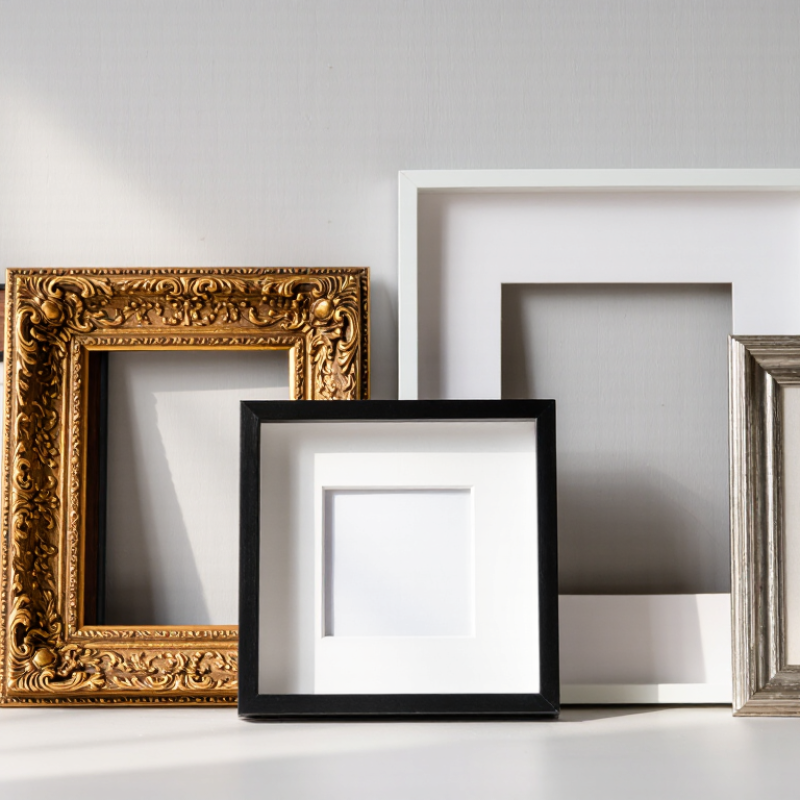
| Ornate Gilded Frame | Classical, Baroque, Rococo, religious, and historical subjects | Carved wood or molded composite with gold leaf, metallic leaf, or antique gold finish | Deep, sculpted profile with decorative inner and outer edges | Creates a formal, luxurious, museum-inspired presentation | Check corner detailing, finish consistency, weight, and secure wall hardware for larger works |
| Traditional Dark Wood Frame | Realism, portraiture, still life, and Old Master-inspired painting | Oak, walnut, ash, or stained hardwood in brown, espresso, or near-black tones | Moderate-to-deep profile with a restrained inner bevel | Adds warmth and visual depth without competing strongly with the artwork | Confirm timber stability, moisture resistance, joinery quality, and export packaging |
| Contemporary Floating Frame | Abstract, modern, textured, and gallery-style oil paintings on stretched canvas | Painted or anodized wood, aluminum, or engineered material in black, white, bronze, or neutral colors | Slim box profile with a visible gap around the canvas | Makes the artwork appear visually suspended and preserves the canvas edges | Allow sufficient clearance for canvas depth and verify accurate inner dimensions |
| Minimalist Flat Frame | Minimalist, geometric, Scandinavian, and contemporary interiors | Smooth wood, lacquered MDF, or aluminum with matte black, white, gray, or natural finishes | Shallow, straight profile with clean mitred corners | Provides a quiet border that keeps attention on color, form, and brushwork | Prioritize precise corners, scratch-resistant coating, and color accuracy across multiple units |
| Linen-Lined Frame | Impressionist, plein-air, tonal, and softly textured paintings | Wood frame with a linen-covered inner edge, often combined with painted or gilded wood | Moderate profile with a narrow fabric liner between artwork and outer frame | Creates a soft transition and reduces the visual hardness of the frame | Inspect fabric tension, archival quality, dust protection, and liner color stability |
| Rustic Reclaimed-Wood Frame | Landscape, folk, farmhouse, coastal, and nature-focused artwork | Reclaimed or distressed wood with visible grain, knots, wax, or low-sheen stain | Chunky or medium-depth profile with intentionally irregular texture | Adds an organic, relaxed character and supports earthy color palettes | Confirm kiln-drying or moisture control, pest treatment, odor, and finish durability |
| Metal Gallery Frame | Large-scale abstract, industrial, monochrome, and urban contemporary works | Aluminum or steel with anodized, powder-coated, brushed, or satin finish | Slim to medium rectangular profile with crisp linear edges | Delivers a precise, architectural appearance and suits modern commercial spaces | Evaluate corrosion resistance, corner connectors, surface protection, and shipping weight |
| Shadow-Box Frame | Heavily impastoed, three-dimensional, mixed-media, and layered oil paintings | Wood or aluminum frame with an enlarged internal cavity and optional spacer | Deep profile designed to keep the surface away from the glazing or frame edge | Emphasizes surface relief and protects protruding paint from contact | Measure the highest paint relief, allow ventilation, and avoid pressure on uncured paint |
| Museum-Style Closed Frame | High-value, fragile, historic, or conservation-oriented oil paintings | Stable wood or metal frame with archival backing, spacers, and optional conservation glazing | Deep, engineered profile with controlled internal spacing | Balances refined presentation with enhanced protection against dust and handling | Use conservation-grade components where appropriate and obtain professional mounting advice |
Frame choice changes how an oil painting survives, travels, and appears on a wall. The Art Basel and UBS Art Market Report 2024 valued global art sales at approximately $65 billion in 2023. That scale increases the need for dependable presentation and transport decisions.
Wood frames offer warmth, rigidity, and traditional depth. However, untreated wood can react to humidity. A 60-centimeter frame may shift visibly in a wet coastal climate.
Metal frames suit modern interiors and frequent handling. Aluminum is light, narrow, and resistant to many environmental changes. It can also feel visually cold around a heavily textured painting.
Composite frames usually cost less and weigh less than solid wood. Their consistent profiles help international buyers manage shipping dimensions. Yet, lower-density composite materials may dent at corners. Small defects become obvious under gallery lighting.
Ornate frames add carved detail, layered finishes, and historical character. They work well with portraits, religious subjects, and richly colored oil paintings. The decoration is not automatically evidence of quality.
The Picture Framing Industry Association advises conservation-focused framing, including suitable backing and protective glazing. For valuable works, buyers should request stable joinery, sealed surfaces, and reversible mounting.
I would not choose ornate wood for every climate. A simpler composite or metal frame may perform better during repeated moves.
Grand View Research has reported continued growth in the global picture frames market, but market growth does not remove practical risks. Check weight, humidity exposure, corner protection, and replacement availability before ordering.
2026 Best Oil Painting Frame Types for Global Buyers
Global buyers should measure the painted image, canvas edge, and stretcher depth separately. A 60 × 80 cm canvas may need a different frame than a 24 × 32 inch canvas. Metric and imperial sizes are not always interchangeable. Check the frame rabbet, inner clearance, and hanging hardware before ordering. In my frame-ordering experience, small measurement errors often become expensive international returns. That lesson still matters.
Float frames suit stretched canvases and create a visible gap around the artwork. Traditional wooden frames provide stronger visual borders for classic oil paintings. For shipping, choose rigid corner protectors, moisture-resistant wrapping, and a double-wall carton. Add space between the glazing and paint surface. Never let packing material press directly against fresh or soft varnish. This detail is easy to overlook.
Standards also vary by destination. Confirm wire placement, wall-fixing methods, glazing rules, and import paperwork with the buyer. Some homes use narrow stairways or humid rooms, so weight matters. Tempered or laminated glazing can reduce breakage risks, but it may increase shipping weight. Perfect protection is not realistic. A careful inspection at delivery remains necessary, especially when corners look clean but the frame has shifted inside.
Global buyer factors include metric sizing, frame compatibility, shipping efficiency, and artwork protection.
For global buyers, frame selection now begins with three questions: cost, footprint, and fit. Solid hardwood frames offer warmth and strong joinery, but timber origin matters. The Forest Stewardship Council’s market research presents certification as a useful traceability tool, not a complete sustainability guarantee. Request chain-of-custody evidence and moisture-resistant packaging.
Recycled aluminum frames suit modern interiors and repeated international shipping. The International Aluminium Institute reports that recycled aluminum uses about 95% less energy than primary aluminum. However, coatings, mixed alloys, and long-distance transport can reduce that advantage. Aluminum may cost more initially. It can lower replacement costs later. Check corner connectors, wall load, and corrosion resistance before ordering. Lightweight does not always mean durable.
Engineered wood can control costs and maintain consistent dimensions for custom sizes. Yet adhesives and coatings may affect indoor emissions. The U.S. Environmental Protection Agency recommends low-emitting materials in its Indoor air quality guidance. Ask for test documentation, not vague claims. Custom orders should specify depth, rabbet clearance, finish, glazing, and hanging hardware. Floater frames create a clean shadow gap around stretched canvas. Traditional frames provide stronger visual formality. Measure twice. Waste from samples and rejected finishes can weaken sustainability gains. A simpler finish, repairable joint, and replaceable hardware may be the wiser compromise.