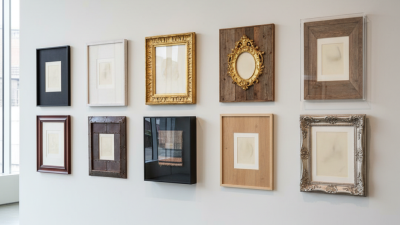
Global buyers are entering 2026 with stronger expectations for educational, cultural, and creative spaces. The right Study Art Frame must protect artwork while supporting concentration, visual balance, and long-term room use. It may hang above a reading desk, beside a library shelf, or in a bright classroom corner. Small details matter, including glare control, backing strength, hanging hardware, and cleaning access.
The Art Basel and UBS Art Market Report 2025 valued the global art market at approximately US$65 billion in 2024, following three percent growth. This signals continued demand for accessible art, including framed prints and educational wall displays. The report also highlights the importance of online purchasing, where buyers need accurate images, dimensions, materials, and provenance information. A frame can look elegant online and feel disappointingly weak in person. That risk deserves attention.
Market research from Grand View Research identifies growing interest in decorative wall products, supported by residential improvement, hospitality projects, and commercial interiors. However, global buyers face different climates, shipping conditions, safety expectations, and installation habits. Wood frames may provide warmth, while aluminum offers lighter weight and stable geometry. Acrylic glazing can reduce shipping risk, but glass often delivers better scratch resistance and visual clarity. Neither option is perfect. This 2026 guide compares practical Study Art Frame types by material, protection, style, maintenance, and international buying suitability. It also encourages buyers to question attractive specifications, verify test information, and request samples before placing larger orders. Reliable decisions begin with evidence, not impressive product language.
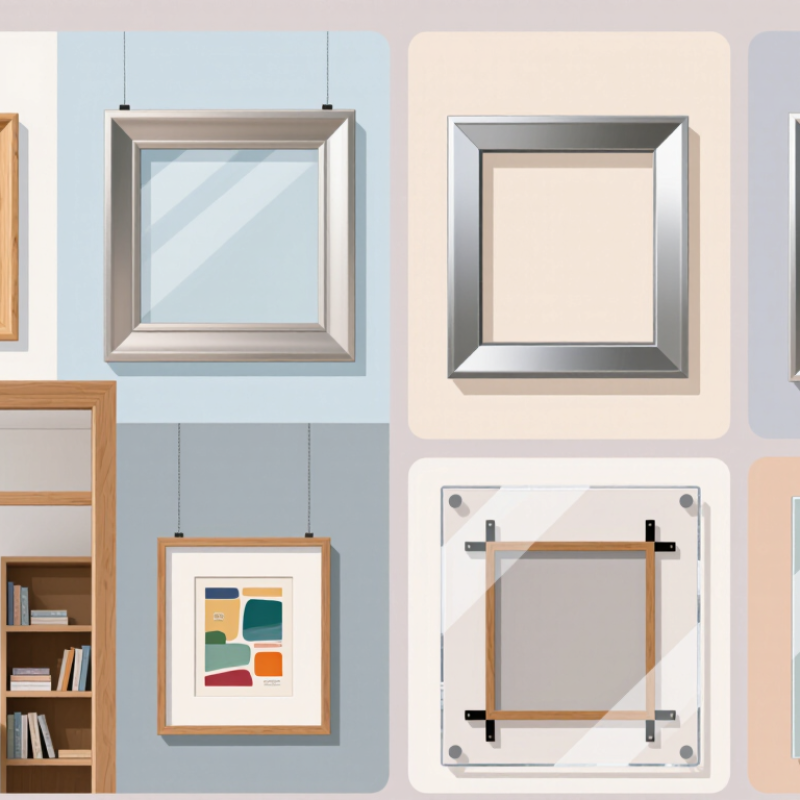
Study art frames are structured borders that hold, protect, and visually organize artwork. Common types include wood frames, metal frames, acrylic frames, floating frames, and shadow boxes. Each serves a different purpose. Wood adds warmth beside a desk. Metal offers a sharper, lighter appearance. Acrylic reduces visual weight in small rooms. Museum-grade glazing helps limit glare and ultraviolet exposure, although it increases cost.
The purpose is practical and visual. A suitable frame protects paper from dust, moisture, and handling. It also creates hierarchy between the artwork and surrounding furniture. Art Basel and UBS reported that the global art market reached about 65 billion US dollars in 2024, rising 3% year on year. This supports continuing demand for presentation products. For 2026, buyers will likely prefer modular sizes, recycled materials, low-reflective glazing, and neutral profiles. Grand View Research also forecasts continued growth in the global art market through 2030. The exact frame share remains unclear. That is worth questioning.
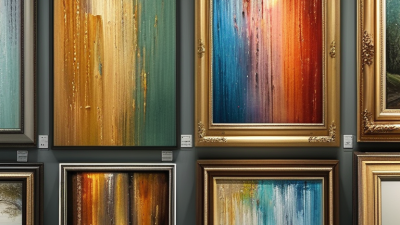
Wooden, metal, and plastic frames differ most in stiffness, weight, moisture response, and joint performance. Solid wood creates a warm study atmosphere and absorbs minor wall irregularities. However, untreated timber may warp near humid windows. The FAO’s Global Forest Resources Assessment 2020 reports that forests cover about 31% of global land area, making responsible sourcing and traceable timber important purchasing checks.
Metal frames provide slimmer profiles and strong dimensional stability. Aluminum is light, rigid, and suitable for large study prints or repeated commercial handling. The International Aluminium Institute states that recycled aluminum uses about 95% less energy than primary production. Yet thin metal sections can dent, and poorly finished edges may damage artwork during installation. Check corner joints, hanging points, and coating consistency by touch.
Plastic frames usually offer low cost, low weight, and practical color variety. They resist moisture better than untreated wood, but heat can cause bending or brittle surfaces over time. The OECD’s Global Plastics Outlook projects global plastic waste could nearly triple by 2060 under current policies. That figure deserves attention, although recycled content quality varies. A frame may look sustainable on paper, then fail at its corners. Buyers should request material composition, load testing, UV resistance data, and packaging details before approving a high-volume order.
2026 Top Study Art Frame Types for Global Buyers
Choosing a frame for a study space requires more than matching wall color. In academic rooms, slim wood or matte metal frames create a disciplined visual rhythm. Neutral finishes keep attention on maps, diagrams, and historical prints. I recommend low-reflective glazing near windows. It reduces glare during reading and protects paper from dust.
Office study areas often need structure without feeling severe. Black, charcoal, and warm gray frames suit certificates, architectural drawings, and focused photography. A 40-by-50-centimeter format works well above a compact desk. Leave enough wall space around each piece. Crowded arrangements can make even excellent work feel restless. Cable-ready hanging hardware also improves practical safety.
Creative study spaces allow stronger choices. Deep green, terracotta, or pale blue frames can support sketches and experimental prints. Use wider profiles for large artworks, especially above shared worktables. In my experience, texture matters more than decoration. A lightly grained surface feels inviting under soft lamps. However, my first color pairing was too bold. I would test paper samples beside the actual wall before ordering.
For global buyers, confirm measurements, glazing specifications, and mounting materials with the supplier. Humid rooms may require sealed backing and stable archival materials. Dry rooms still need protection from direct sunlight. These details are easy to overlook. They often decide whether a frame remains attractive after years of study.
Frame selection varies by study environment. The chart uses a 1–5 suitability score based on practical considerations such as visual focus, durability, flexibility, and suitability for displaying academic, professional, or creative work.
Key insight: Minimalist wood and black metal frames are versatile choices for academic and office spaces, while magnetic poster frames and shadow boxes are especially useful in creative study environments.
Study art frames must balance classroom use, visual clarity, and international shipping demands. The 2024 Global Art Market Report valued worldwide art sales at about $65 billion in 2023. Online sales also reached approximately $11.8 billion. This supports demand for lighter, safer frames that travel well.
For A4 and 30 × 40 cm prints, slim profiles save shelf space. Larger 50 × 70 cm works need deeper frames and stronger D-rings. Sawtooth hangers suit small pieces, while two-point D-rings improve balance on wider frames. Mounting rails offer flexibility, but they increase installation cost. They are not always necessary.
Glass choice changes both appearance and risk. Standard float glass gives a crisp view and resists surface scratches. Acrylic weighs less and reduces breakage during export, but it scratches easily and may attract dust. Low-reflection glazing improves reading under classroom lights. UV-filtering glazing helps slow fading, although it cannot stop damage from heat or humidity. The International Organization for Standardization’s image-preservation guidance supports stable storage conditions and reduced light exposure.
Protection starts behind the artwork. Acid-free backing, sealed corners, moisture-resistant boards, and secure glazing clips provide practical defense. In testing, loose backing often causes more trouble than the frame profile. No specification is perfect. A premium protective feature may be excessive for a temporary study display, while a cheap frame can fail during handling. Global buyers should compare weight, mounting strength, glazing performance, and replacement ease together.
| Frame Type | Common Artwork Sizes | Mounting & Fit | Typical Glazing | Protection Features | Best Suited For | Buyer Considerations |
|---|---|---|---|---|---|---|
| Ready-Made Flat Frame | A4 (210 × 297 mm), A3 (297 × 420 mm), 8 × 10 in, 11 × 14 in, and 16 × 20 in are common formats; availability varies by market. | Usually supplied with hanging hardware and a backing board. Check whether the listed size refers to the artwork opening or the frame’s outside dimensions. | Clear glass or clear acrylic, depending on size and product specification. | Front glazing helps limit direct handling and surface dust. Basic glazing does not necessarily provide meaningful UV filtering. | Prints, study illustrations, certificates, and lightweight artwork in standard sizes. | Convenient and generally economical. Confirm the usable opening, backing fit, and included hanging orientation before purchase. |
| Custom Wood Frame | Made to the artwork’s measured dimensions, including non-standard sizes and larger works. | Can be ordered with a mat, spacers, or a deeper profile. Professional fitting can help prevent the artwork from touching the glazing. | Glass, acrylic, or specified UV-filtering glazing may be available. | Protection depends on the chosen glazing, backing, matting, and assembly. A mat or spacer can keep artwork separated from the glazing. | Original artwork, unusual dimensions, and presentation where a tailored finish is important. | Measure the artwork carefully and specify the visible opening. Wood profiles and finishes vary; confirm the frame depth and hanging hardware. |
| Aluminium Frame | Commonly offered in standard photo and poster formats, with custom sizing available from some suppliers. | Often uses a rear-loading or clip-based assembly. Hardware and mounting orientation depend on the frame design. | Glass or acrylic; verify the glazing material in the product specification. | A rigid frame can help hold the artwork assembly in place. UV protection is not implied unless the glazing is specifically rated for it. | Posters, prints, and clean, contemporary displays; useful where a slim frame profile is preferred. | Check corner construction, profile depth, glazing thickness, and whether the backing is suitable for the artwork’s weight. |
| Clip Frame | Commonly sold for photo and poster sizes, including A4, A3, 8 × 10 in, and 11 × 14 in. | Artwork is held between a front panel and a rear board by clips. Some designs include wall-hanging fittings; others require separate support. | Usually glass or clear acrylic, depending on the model. | Provides a simple front barrier, but typically has little or no sealed protection against humidity or dust entering from the edges. | Lightweight posters, photographs, temporary displays, and budget-conscious presentation. | Not ideal for fragile or valuable works. Check edge coverage, clip security, and whether the panel is glass or acrylic. |
| Deep-Profile / Shadow Box Frame | Available in a range of standard formats and custom depths; suitable for objects as well as flat artwork. | A deeper cavity accommodates spacers, layered paper, mounted pieces, or small objects. Wall hardware should be rated for the assembled weight. | Glass or acrylic; the choice may depend on frame size, weight, and intended use. | Depth helps keep objects away from the front glazing. Dust resistance depends on how closely the front and backing are fitted. | Layered study projects, memorabilia, dimensional artwork, and display pieces that need space inside the frame. | Confirm internal depth, backing strength, and total weight. The object must be secured without pressing against the glazing. |
| Poster Frame with Acrylic Glazing | Often available in poster formats such as A2 (420 × 594 mm), A1 (594 × 841 mm), 18 × 24 in, and 24 × 36 in. | Typically uses a lightweight backing and wall-mounted fittings; larger formats may need secure fixing appropriate to the wall. | Clear acrylic is common on larger lightweight frames; confirm whether a protective film must be removed before display. | Acrylic is lighter and less prone to shattering than ordinary glass, but it can scratch. UV filtering depends on the specific acrylic grade. | Large posters and prints where reduced front-panel weight or lower breakage risk is a priority. | Use a soft, non-abrasive cloth for cleaning. Check panel thickness, scratch-care instructions, and any stated UV-transmission rating. |
For study art, the frame shapes the viewing experience; it is not merely a border. Solid wood offers a warm, substantial look, while aluminum suits clean designs and frequent handling. MDF can help control costs, but buyers should check its finish and edge durability. Inspect corner joints, hanging hardware, and glazing clarity on a physical sample. Small details matter.
Customization affects both appearance and purchasing cost. Confirm the artwork’s exact dimensions, frame depth, color, and mounting method before requesting a quote. Ask whether the price includes protective glazing, backing, packaging, and sample fees. A custom finish may look excellent in a studio yet vary under different lighting. Requesting a production sample can reveal that mismatch early. It adds time, but often prevents disappointment.
For international orders, compare packed dimensions and weight, not just the frame’s unit price. Glass can increase breakage risk and shipping expense; lighter acrylic may be practical, though it can scratch more easily. Sustainability claims also deserve careful review. Ask for evidence about recycled aluminum, responsibly sourced wood, and low-emission finishes. A leaf icon proves little. There is rarely one perfect material: durability, appearance, budget, and environmental impact can pull in different directions. I would treat clear supplier documentation as a useful starting point, not a complete answer.