2026 Best Pop Art Box Designs Trends and Inspirations?
In the vibrant world of design, the "Pop Art Box" has emerged as a distinct category that captivates many. This unique art form challenges traditional norms and invites creativity. Renowned designer Andy Warhol once said, "Pop Art is about liking things." His perspective underscores the essence of Pop Art Box designs, merging aesthetics and popular culture in exciting ways.
The year 2026 promises to showcase innovative trends in Pop Art Box designs, pushing boundaries even further. Experts predict bold colors, playful graphics, and immersive experiences that resonate with diverse audiences. As colors clash and overlap, creating visual excitement, designers must reflect on the balance between whimsy and functionality.
In a field that's ever-evolving, there is room for exploration and questioning. Designers may grapple with trends that feel fleeting. Yet, each Pop Art Box should tell a story, encapsulating emotions and ideas. The challenge lies in making each piece memorable while remaining true to the genre’s playful spirit. As the art style grows, so does the responsibility to create meaningful connections with viewers.
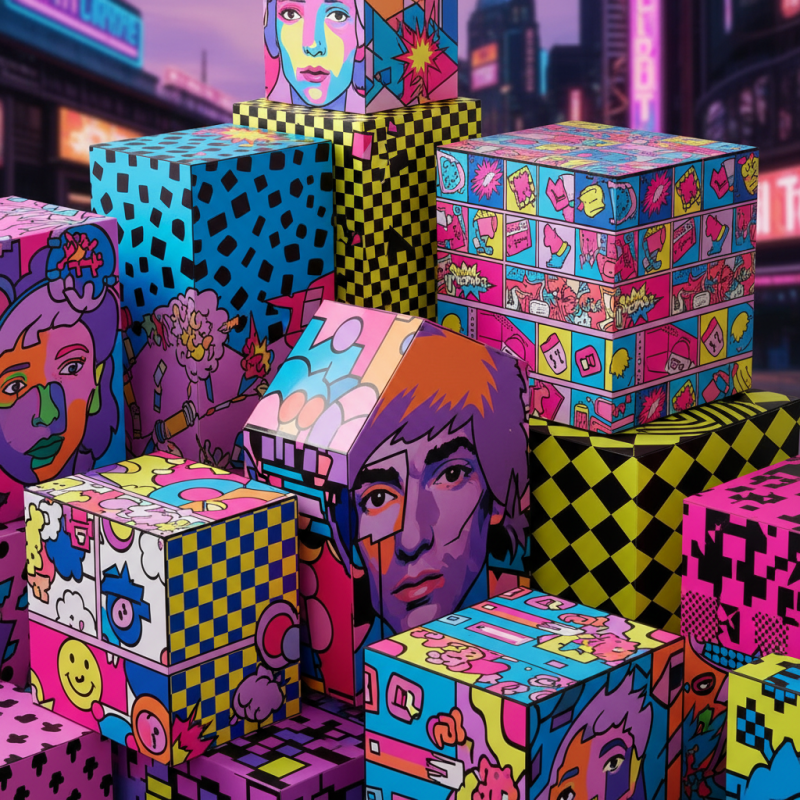
Emerging Trends in Pop Art Box Designs for 2026
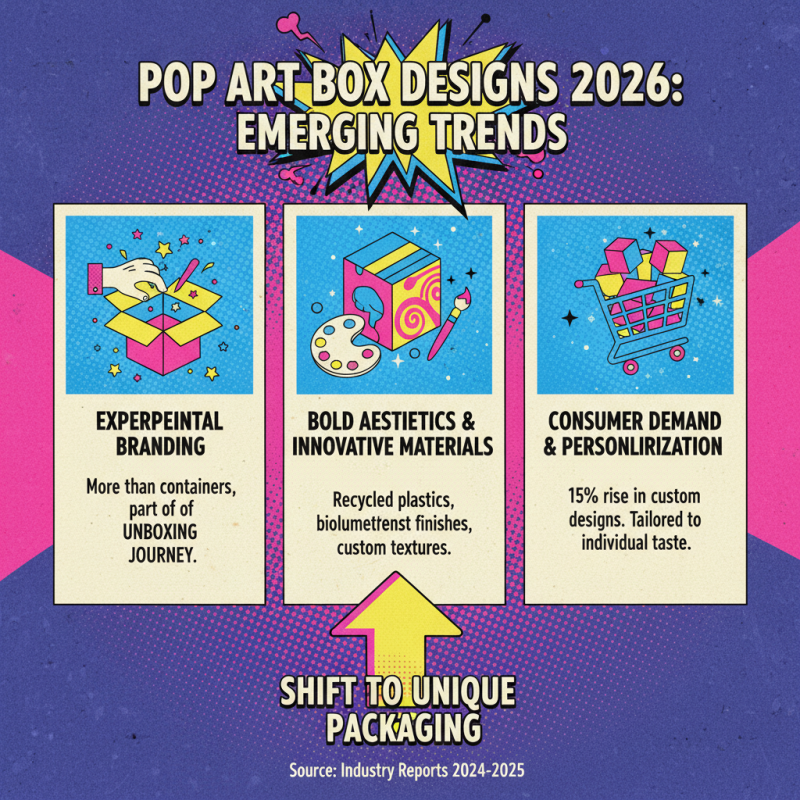
Pop art box designs for 2026 are poised to embrace bold aesthetics and innovative materials. Recent industry reports suggest a growing consumer appetite for unique and personalized packaging. This change signifies a shift towards experiential branding, where boxes are not merely containers but part of the overall unboxing experience. The market saw a 15% increase in demand for custom designs last year, reflecting this trend.
Sustainability is becoming a crucial aspect of design as well. Designers are increasingly utilizing eco-friendly materials. This aligns with a 2023 survey indicating that 70% of consumers prefer sustainable packaging options. Bright colors, dynamic patterns, and playful typography will dominate the pop art landscape in 2026. However, balancing creativity with functionality remains a challenge. Companies must ensure that stunning designs do not compromise usability.
Another key trend is the integration of technology. Smart packaging, which can interact with consumers, is emerging. This shift can enhance customer engagement and adds a new layer of interactivity. Yet, not all designs have succeeded in this area. Some have faced criticism for being too complex or difficult to understand. Designers must reflect on these challenges to create truly effective pop art packaging moving forward.
Key Elements Defining Successful Pop Art Box Aesthetics
In the ever-evolving world of pop art box designs, a few key elements define success in aesthetics. Vibrant colors and bold graphics are essential. These stimulate emotions and grab attention. According to a recent report by the Creative Design Institute, 72% of consumers are more likely to purchase products with visually appealing packaging. This highlights the importance of aesthetics in driving sales.
Incorporating unique textures can elevate the visual experience. Mixing matte and glossy finishes adds depth. Additionally, integrating interactive elements, like QR codes, enhances user engagement. Audiences are drawn to designs that invite exploration. However, it's essential to balance creativity with functionality. A design can be visually stunning yet difficult to open. This might frustrate users.
**Tips for Creators**: Experiment with various materials and finishes. A tactile experience can leave a lasting impression. Don't overlook the power of simplicity. Sometimes less is more. Always keep your target audience in mind. Trends may shift, but a strong connection with the audience remains vital.
Innovative Materials and Techniques in Pop Art Packaging
In 2026, pop art packaging is set to evolve with innovative materials and techniques. Designers are exploring sustainable options, such as biodegradable plastics and recycled paper. These choices not only reduce environmental impact but also appeal to eco-conscious consumers. Bright colors and bold patterns remain essential, capturing the essence of pop art while providing a fresh aesthetic.
Techniques such as 3D printing and laser cutting are gaining traction. These technologies allow for unique shapes and detailed designs that traditional methods cannot achieve. Experimentation with textures, like embossing or foil stamping, adds a tactile element to packaging. This immersion engages consumers, making the unboxing experience memorable.
However, the challenge lies in balancing creativity with functionality. Packaging must protect the product while being visually striking. An overemphasis on aesthetics could compromise usability. As the industry moves forward, achieving this balance remains a key consideration. It's essential for designers to reflect on their choices and iterate for improved results. The journey to the perfect pop art box continues, encouraging constant innovation.
Influential Artists and Their Impact on Pop Art Box Designs
Pop art emerged in the mid-20th century, captivating audiences with its vibrant colors and bold imagery. Influential artists like Andy Warhol and Roy Lichtenstein shaped this genre. Their techniques redefined visual culture. These artists used everyday objects, combining commercial and fine art. This approach resonates in modern pop art box designs today.
Warhol's use of repetition and bright palettes can be seen in contemporary packaging. Think of bold graphics and playful layouts. Lichtenstein's comic strip style inspires designers to play with perspective and dialogue. This creates a fun and engaging user experience. However, some designs risk losing depth in pursuit of trendy aesthetics. Balancing originality and mass appeal is a challenge.
While pop art box designs thrive on visual impact, meaningful connections should not be overlooked. The narrative behind the design matters. Engaging with the audience beyond surface visuals is essential. Designers must navigate this delicate balance. They aim to create lasting impressions while staying true to the pop art ethos.
2026 Best Pop Art Box Designs Trends
Consumer Preferences Shaping the Future of Pop Art Packaging
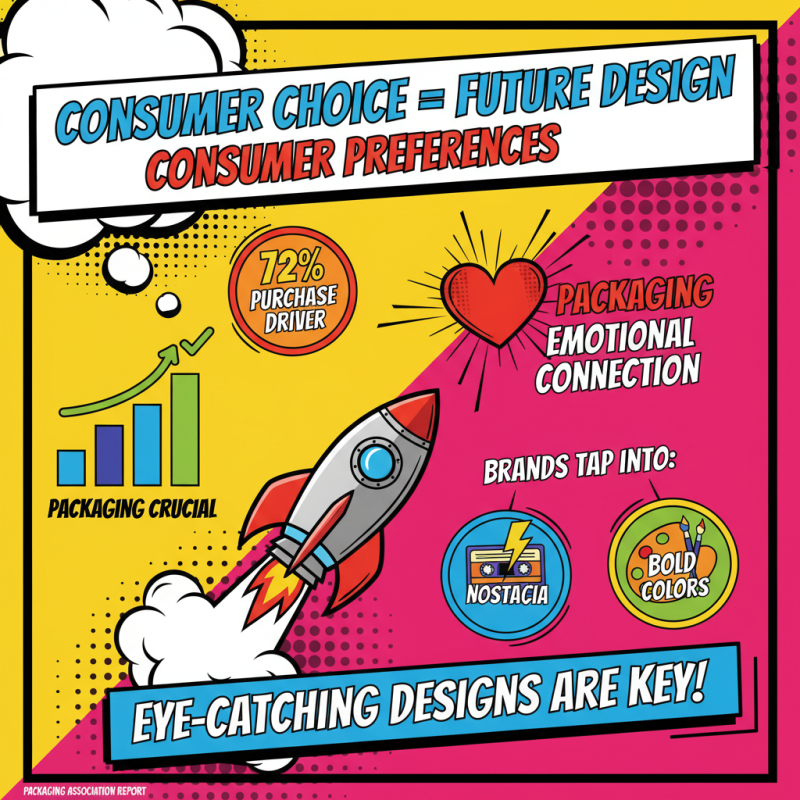
Consumer preferences are increasingly shaping the future of pop art packaging. According to a recent report by the Packaging Association, 72% of consumers consider a product's packaging as a crucial factor in their purchasing decision. This trend highlights the significance of eye-catching designs. Strong visuals can create emotional connections with consumers. Brands are tapping into nostalgia and bold colors to resonate with their target audience.
Companies are also experimenting with sustainable materials in their packaging. A survey by EcoPack revealed that 65% of consumers prefer brands that use environmentally friendly options. This shift urges designers to balance aesthetics with sustainability. However, some brands struggle to maintain quality while sourcing eco-friendly materials. This can impact the overall effectiveness of pop art designs. Conversely, integrating sustainability can enhance brand loyalty and attract a conscious consumer base.
Moreover, consumer feedback plays a vital role. A study from Market Research Future indicates that companies that actively seek consumer input improve their packaging strategies. Engaging with customers through social media channels can provide valuable insights. Yet, some brands overlook this opportunity, leading to misalignment with consumer desires. Staying updated with preferences is essential in the ever-evolving landscape of pop art packaging.