How to Choose the Best Art Frame for Your Artwork?
Choosing the right art frame can be a daunting task. An expert in the industry, Emily Carter, states, "A perfect frame enhances both the artwork and the viewer's experience." When selecting an art frame, your choices can deeply impact the overall aesthetic of your piece.
Consider the style, color, and material of the frame. Each element plays a crucial role in how your artwork is perceived. A well-chosen frame not only protects your art but also complements the message behind it. Failures often arise when the frame overshadows the artwork or clashes with its tone.
Moreover, understanding the dimensions and proportions of your artwork is vital. A frame that is too large or small can distort its visual appeal. Reflection and careful consideration before making a decision are essential steps. Your art deserves a frame that lifts it up, not one that holds it back.
Understanding Different Types of Art Frames and Their Functions
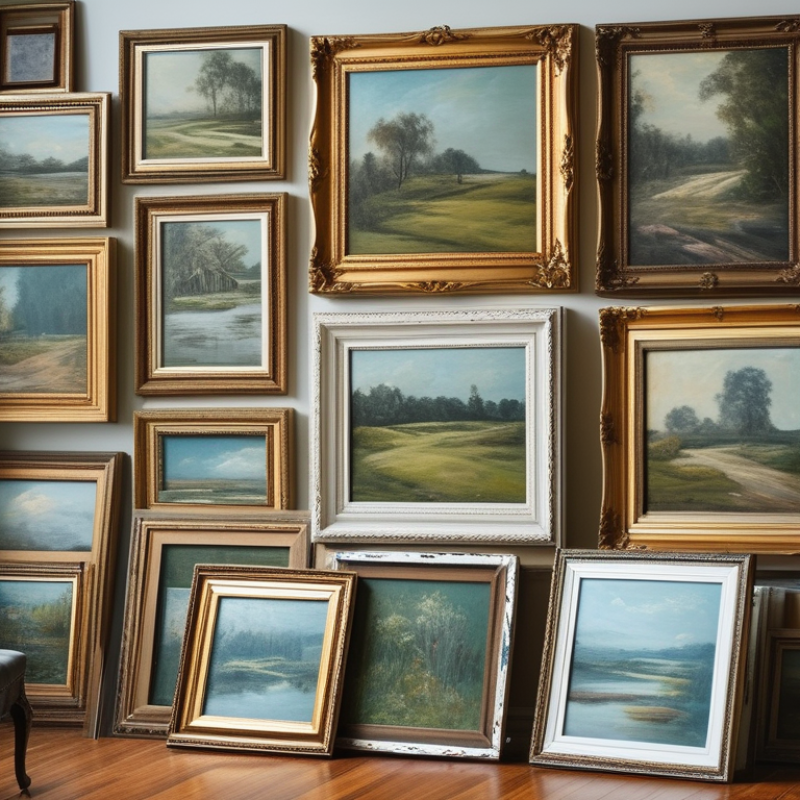
Choosing the right art frame involves understanding various types and their functions. Each type serves a unique purpose. Wood frames offer warmth and elegance, perfect for traditional art. Metal frames provide a modern touch, complementing contemporary pieces. Acrylic frames are lightweight and versatile, great for casual displays.
Matting is another critical aspect. It enhances artwork by creating a visual buffer. A well-chosen mat can add depth and highlight colors. Consider color and texture when selecting a mat. It should not overpower the art but rather enhance it.
Remember, not all frames work for every piece. Sometimes, the ideal frame is not an obvious choice. Reflect on the artwork's style and message. The wrong frame can diminish its impact. Trust your instincts and experiment with different options. Finding the right fit may take time, but it's worth the effort.
Assessing Your Artwork's Size and Dimensions for Frame Selection
Choosing the right frame for your artwork begins with understanding its size and dimensions. An ill-fitting frame can diminish your piece’s impact. Take careful measurements of your artwork. This includes height, width, and thickness. Knowing these figures helps narrow your options effectively.
While assessing dimensions, consider the visual weight of your piece. A large painting may need a bolder frame to complement its presence. Conversely, delicate works require more subtle framing. Pay attention to these details. They enhance the overall aesthetic.
Tips: When measuring, use a ruler for accuracy. Allow room for matting if desired. It's important to choose a frame that matches your style and the art's theme. Experiment with different styles and colors before finalizing your decision. Reflect on how each option changes the artwork’s appearance. Framing is an art in itself, combining personal taste with practical considerations.
Choosing the Right Material: Wood, Metal, or Plastic Frames?
When selecting an art frame, material plays a crucial role. Wood frames exude warmth and tradition. They work well with classic artworks, enhancing their timeless appeal. The variety of wood types offers unique textures and finishes. However, wood can warp in humid environments, which may be a concern for certain locations.
Metal frames present a sleek, modern aesthetic. They are durable and provide a minimalist look that suits contemporary pieces. Metal does not absorb moisture, making it a reliable option. Still, the coldness of metal might not resonate with every artwork, leading to a mismatch in style. It's essential to consider the emotional impact of the materials on the viewer.
Plastic frames are lightweight and affordable, making them a popular choice. They come in various colors and designs, allowing for creativity in framing. However, they might lack the elegance of wood and metal, and can sometimes feel flimsy. A balance between aesthetics and practicality is crucial when choosing the right frame. Each material has its pros and cons, so take the time to reflect on what best suits your artwork and environment.
How to Choose the Best Art Frame for Your Artwork? - Choosing the Right Material: Wood, Metal, or Plastic Frames?
| Material |
Durability |
Weight |
Cost |
Aesthetic Appeal |
| Wood |
High |
Medium |
Moderate to High |
Warm and Traditional |
| Metal |
Very High |
Light |
Moderate to High |
Sleek and Modern |
| Plastic |
Low to Moderate |
Very Light |
Low |
Varied, Depends on Design |
Considering Colors and Styles to Complement Your Artwork
Choosing the right colors and styles for your art frame can elevate the visual impact of your artwork. Consider the primary colors in your piece. A neutral frame can highlight vibrant hues. Conversely, a colored frame might enhance warmer or cooler tones. For instance, a bold red frame can unify a piece filled with warm colors. It creates a striking connection.
Styles matter as much as colors. The art movement and theme of the artwork should guide your choice. A contemporary piece may benefit from a sleek, modern frame. On the other hand, an antique painting might find a better match in an ornate, vintage frame. Reflect on how each frame interacts with the artwork. Does it overshadow the piece? Does it blend too much? These questions are vital.
Don't forget materials. Wood frames add warmth. Metal frames offer a clean, modern look. Each material brings a unique character. It's essential to experiment and see what resonates. Finding the right balance can be challenging. You might need to step back and reassess your choices. Remember, the perfect frame complements but does not compete with your art.
Budgeting for Your Art Frame: Finding Value Without Compromising Quality
When selecting an art frame, budget plays a crucial role. It's essential to find a balance between cost and quality. High-quality frames enhance artwork without draining your wallet. Set a budget that reflects both your financial situation and the value of the artwork.
Tips: Look for local artists' markets or art fairs. These can provide affordable framing options. Consider simple designs that won’t distract from your art.
Choose materials wisely. Solid wood frames are durable but can be pricier. Metal frames offer sleek options at lower costs. Research online for DIY ideas. Sometimes, a personal touch can elevate the presentation.
Affordable frames can be found in thrift stores or online marketplaces. Remember, a frame’s function is to protect your art. It shouldn't overshadow the artwork itself. Prioritize your artwork's needs while remaining mindful of your budget constraints.
Choosing the Best Art Frame: Budgeting for Quality