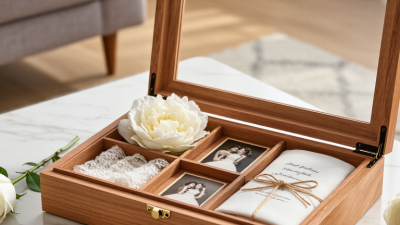
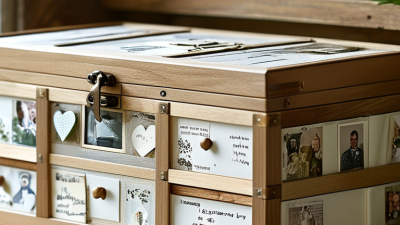
A Wedding Memorial Box turns wedding memories into something tangible: a silk invitation, handwritten vows, pressed flowers, photographs, and a small piece of ribbon. For global buyers, choosing one requires more than attractive styling. Materials, internal protection, shipping durability, cultural meaning, and long-term storage all deserve attention. A beautiful box can still fail if humidity damages paper or loose hinges crush delicate items.
The Knot’s 2023 Real Weddings Study reported an average U.S. wedding cost of approximately $35,000, showing how carefully couples protect meaningful investments. The same report recorded an average guest count of about 115, highlighting the emotional value of preserving many small details. Grand View Research also identifies personalized gifts as a growing global market, supported by demand for customized, sentimental products. These reports do not measure memorial boxes directly. That limitation matters.
Wedding planner and television personality David Tutera has said, “Your wedding should be a reflection of who you are as a couple.” That principle suits a Wedding Memorial Box. Buyers should compare acid-free interiors, archival tissue, secure closures, moisture-resistant finishes, and customizable compartments. Check dimensions carefully. A thick album may not fit. A fragile clasp may disappoint.
The strongest choice is not always the most expensive one. It should match the climate, transport route, storage habits, and story being preserved. Small details matter. So do honest product reviews, clear return policies, and evidence of quality control. Global buyers may need to question assumptions, especially when product descriptions sound perfect. Memories deserve beauty, but they also need practical protection.
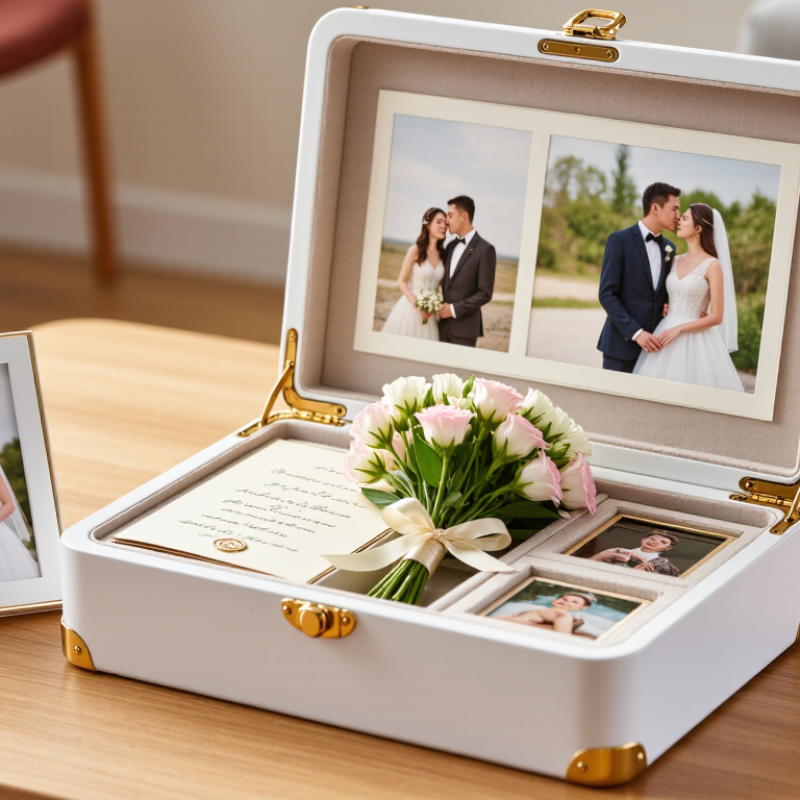
A wedding memorial box is a protective container for objects that preserve the story of a marriage. It may hold an invitation, handwritten vows, dried flowers, photographs, fabric swatches, or a small ceremony program. Unlike ordinary storage, it gives these items a deliberate home and helps families revisit meaningful details years later. It is not only decoration.
In my experience, the most valuable boxes balance emotional meaning with practical protection. Acid-free paper can reduce damage to photographs and printed materials. A soft, clean lining helps prevent delicate fabric from rubbing against hard surfaces. A tight-fitting lid also limits dust, although it cannot control a damp room. Humidity remains an easy detail to overlook. Buyers in different climates should consider stable indoor storage, away from direct sunlight, heaters, and bathrooms.
The box can also preserve voices and decisions. Couples may add a short note explaining why each item matters, because memories become less obvious with time. A date, location, and names can support future family research without making the collection feel formal. Some buyers prefer separate sleeves for flat items, while others want space for rings or small handmade details. Both choices can work. I have found that overly full boxes often crease their contents, so leaving a little room is wiser. Still, perfection is unrealistic; flowers may fade, paper may age, and the story may change as the family grows.
10 Wedding Memorial Box Tips for Global Buyers
Size should follow the keepsake, not the listing photo. Measure the largest item, then allow 3–5 cm for padding and airflow. A compact 25 × 20 × 12 cm box suits letters, rings, and photographs. Larger boxes may protect clothing, vows, or dried flowers. Check both centimeters and inches. A 2024 real-weddings study covering 10,000 couples found that personalized details remain a major spending priority, so internal layout deserves careful attention.
Tip: Test the box with acid-free tissue, a small photo album, and one fragile object. The lid should close without pressure. I once underestimated padding space; it looked neat, but the contents felt crowded. That mistake is easy to repeat.
Material affects weight, humidity resistance, and long-term appearance. Solid wood feels warm, while metal offers stronger impact protection. Archival board is lighter and often better for international shipping. Choose low-odor finishes and acid-free interiors for photographs. UNEP’s 2024 Global Resources Outlook reports that global resource extraction has tripled since 1970. Using durable materials, replaceable lining, and minimal packaging can reduce waste. Design should reflect the couple without weakening function. Engraving, neutral colors, and removable dividers travel well across cultures. Avoid sharp corners and delicate attachments. A beautiful box that arrives damaged is not a successful memorial piece.
| Tip | Selection Dimension | Practical Guidance | Useful Specification | Why It Matters for Global Buyers |
|---|---|---|---|---|
| 1 | Measure the keepsakes first | List the items to be stored before choosing the box, including invitations, photographs, rings, fabric, vows, and small gifts. | Allow 2–5 cm of clearance | Clearance prevents bending, compression, and difficult packing when the contents vary in size. |
| 2 | Choose the right internal size | Use a compact box for cards and photos, a medium box for mixed keepsakes, or a large box for folded textiles and albums. | Small: ≤30 × 20 × 10 cm Medium: 35–45 × 25–35 × 15 cm Large: ≥50 × 35 × 20 cm |
Internal dimensions provide a more reliable capacity reference than external measurements. |
| 3 | Select a durable material | Wood offers a traditional appearance, archival board keeps weight low, and metal provides strong impact resistance. | Wood: typically 6–12 mm panels Board: lightweight construction Metal: rigid protective shell |
Material affects durability, shipping weight, moisture response, and customs cost calculations. |
| 4 | Check interior protection | Look for acid-free paper, cotton or linen lining, rounded edges, and dividers for photographs or delicate objects. | Acid-free lining preferred Divider thickness: about 1–3 mm |
Acid-free materials help reduce discoloration and deterioration during long-term storage. |
| 5 | Match the closure to the purpose | Magnetic closures suit frequent access, ribbon ties create a decorative feel, and hinged clasps provide a more secure closure. | Test opening and closing without stressing the lid |
A dependable closure protects contents while allowing the box to be opened safely over time. |
| 6 | Consider climate and moisture | For humid regions, choose sealed finishes, moisture-resistant inserts, and a design that does not trap condensation. | Store ideally around 30–50% relative humidity |
Stable indoor conditions help protect paper, textiles, photographs, and wooden components. |
| 7 | Choose a meaningful design | Compare neutral, floral, cultural, minimalist, and personalized designs according to the couple’s style and intended display location. | Confirm text, symbols, colors, and spelling |
Design details should be culturally appropriate and remain attractive throughout long-term display. |
| 8 | Review weight and shipping size | Compare the packed dimensions and weight, not only the product size, because international shipping charges may use dimensional weight. | Request packed L × W × H and gross weight |
Accurate package data helps buyers estimate freight, delivery handling, and storage requirements. |
| 9 | Verify safety and care details | Check finish ingredients, sharp-edge protection, cleaning instructions, and whether the materials are suitable for the intended use. | Prefer low-odor finishes and smooth edges |
Clear care information reduces damage risks and supports safe use in homes, ceremonies, and archives. |
| 10 | Confirm import and delivery requirements | Ask for the product material, country of origin, customs description, delivery estimate, packaging method, and return terms. | Confirm HS classification with the carrier or customs authority |
Import rules, taxes, documentation, and delivery timelines differ by destination country. |
Note: Size ranges are practical buying guidelines. Always confirm the seller’s stated internal and external measurements before ordering.
10 Wedding Memorial Box Tips for Global Buyers
A meaningful memorial box should hold stories, not simply objects. Include a wedding photograph, invitation, ceremony program, and handwritten vows. Add a small fabric piece from the outfit, such as a ribbon or pocket square. These items preserve texture, color, and personal handwriting. Keep one short note explaining where each item came from. Future readers may not recognize every detail.
Choose items that tolerate storage conditions. Acid-free paper, cotton wrapping, and a sturdy inner container help reduce fading and moisture damage. Place photographs in separate sleeves, away from metal decorations. Dried flowers can be beautiful, but confirm destination import requirements before shipping them. Some countries restrict plant materials. Avoid storing liquids, food, or anything that may leak. Check the box dimensions, packing strength, and customs description carefully. Clear, accurate information supports safer international delivery.
Consider adding a copy of a meaningful song title, a family recipe, or a map marking the wedding location. A small USB drive may hold scanned letters, but printed copies remain useful if technology changes. Do not place irreplaceable originals inside the box. I once thought more keepsakes meant more meaning, but crowded boxes can damage delicate items. Leave room for one future memory. That unfinished space may become part of the story.
10 Wedding Memorial Box Tips for Global Buyers
A wedding memorial box should reflect the couple’s culture, not a generic decoration trend. Begin with respectful symbols. Use family colors, regional patterns, or a small motif from the ceremony. Confirm meanings before engraving them. Red may represent joy in China, but mourning in some communities. Gold can suggest prosperity, faith, or status. Ask the family.
Language requires equal care. Include names in the couple’s preferred scripts, including accents and diacritics. Arabic, Hindi, Chinese, and Hebrew text needs native-speaker checking. One spacing error can change the meaning. Add a short bilingual message when relatives speak different languages. Avoid religious icons unless the family requests them. Sacred objects should never become casual ornaments. Material choices matter too. Some families prefer wood, while others value metal, lacquer, or woven textiles.
Size should match real wedding needs. The Knot’s 2023 Real Weddings Study reported an average U.S. wedding cost of $35,000 and 115 guests. That scale supports a box with room for letters, vows, photographs, and small fabric pieces. Choose acid-free paper and stable finishes for long-term storage. Protect textiles from moisture. Avoid fragile inserts when the box will travel internationally. Experienced makers also check customs requirements for ordinary materials, especially untreated wood or plant fibers. I once underestimated how strongly a “simple” design could feel culturally narrow. Leave space for correction, family feedback, and future memories.
10 Wedding Memorial Box Tips for Global Buyers
Quality starts with materials and construction. Ask whether the box uses solid wood, stable panels, or layered materials. Request close photos of corners, hinges, lining, and engraved areas. Smooth edges matter, especially when the box will be handled during a wedding ceremony. Check that the lid closes evenly and does not scrape the base. A simple measurement drawing can prevent costly misunderstandings. Confirm the internal size, not only the outside dimensions. Small differences matter.
Packaging deserves equal attention. A reliable seller should describe corner protection, moisture barriers, and inner cushioning. One practical check is to ask for a packing photo before dispatch. The box should not move inside its carton. Double boxing may help with long international routes. Yet, more packaging can increase shipping costs. Compare protection with total weight. I once underestimated this trade-off. It changed the delivery estimate.
Shipping details should include processing time, tracking, delivery terms, and possible import charges. Confirm whether the carrier delivers to your exact address. Keep screenshots of agreed specifications and inspection photos. For care, ask about humidity, sunlight, cleaning products, and repairs. A soft, dry cloth is often safer than liquid cleaner. Store the box away from radiators and damp rooms. Wood can expand or contract. Even careful planning cannot remove every risk, so allow extra time before the wedding.