Choosing the best Wedding Memorial Box requires more than comparing colors, prices, and decorative details. It should protect meaningful memories while fitting naturally into your wedding story. Photographs, handwritten vows, dried flowers, invitation cards, and small heirlooms each need different storage conditions.
Bereavement expert David Kessler offers a useful reminder: “Grief is the price we pay for love.” That idea also applies to remembrance during joyful celebrations. A well-designed Wedding Memorial Box can honor someone absent without making the ceremony feel emotionally overwhelming. Look for acid-free interiors, secure hinges, smooth edges, and enough depth for fragile items. Consider whether the box will sit on a memory table, travel between venues, or remain at home after the wedding.
Personal experience matters here. A box that looks beautiful online may feel too small when real keepsakes are placed inside. Some buyers also overlook humidity, direct sunlight, and loose decorations. These details can damage paper, fabric, and photographs over time. I once thought personalization was the most important feature, but protection and usability deserve equal attention. That judgment may change for couples with different traditions or family needs.
This guide will examine materials, dimensions, customization, preservation, price, and emotional suitability. It will also question popular design advice instead of treating every recommendation as universal. The right Wedding Memorial Box is not simply attractive. It should feel respectful, practical, and honest to the person being remembered.
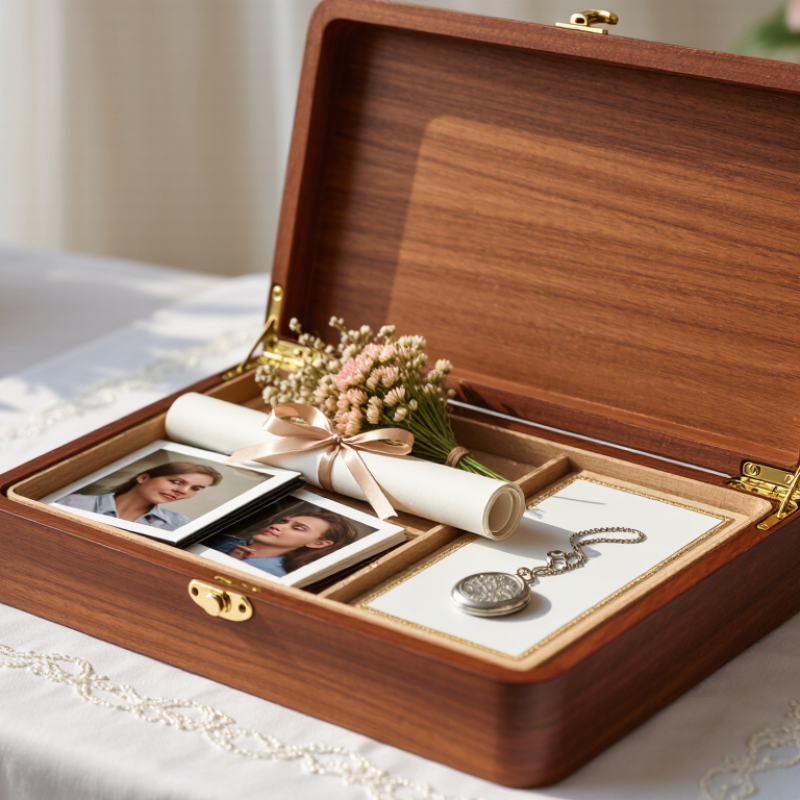
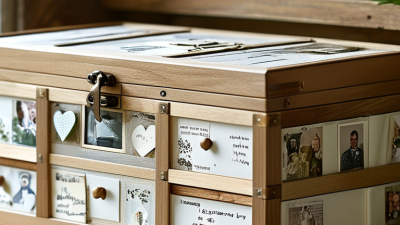
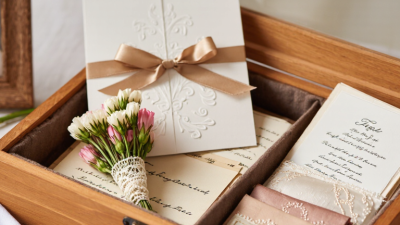
A wedding memorial box protects memories that deserve a lasting place. It can hold photographs, handwritten letters, ceremony programs, pressed flowers, or a small piece of fabric. These items connect a couple with someone who cannot attend their celebration. The box is not only storage. It becomes part of the wedding’s emotional story.
Choose a design that reflects the memory’s meaning. A sturdy box with acid-free lining helps protect paper, photographs, and delicate fabrics. Check the hinges, closure, and interior space before buying. A box that looks beautiful but feels cramped may become frustrating later. Personal experience shows that accessible storage matters. Couples often revisit these memories on anniversaries, not just during the wedding.
Tips: Decide what the box should preserve before choosing its appearance. Measure the largest item. Add a soft, protective layer. Avoid direct sunlight, moisture, and crowded storage. Consider a discreet label if several family members will handle it.
The best memorial box should feel respectful, practical, and emotionally comfortable. Some couples want it displayed near the guest book. Others prefer private storage at home. Neither choice is wrong. I once assumed visible remembrance felt more meaningful, but privacy can offer deeper comfort. Leave room for future additions, because memories rarely remain fixed.
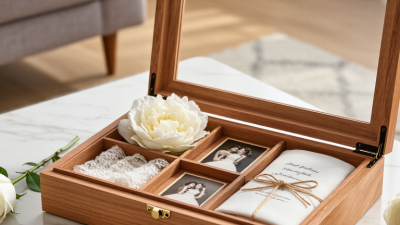
How to Choose the Best Wedding Memorial Box?
Choosing a wedding memorial box starts with size, not decoration. Measure the keepsakes first: invitations, vows, photographs, dried flowers, and small jewelry. Add about 20 percent extra space for future items. The Knot’s 2023 Real Weddings Study reported an average wedding guest count of 115, suggesting many couples preserve several paper and photographic memories. A box that fits today’s items may feel frustrating later.
Material affects protection and appearance. Acid-free paperboard helps reduce damage to photographs and invitations, while solid wood offers stronger impact resistance. The Library of Congress recommends acid-free, lignin-free materials for long-term paper preservation. Glass can display delicate pieces, but it adds weight and breakage risk. Metal hardware should resist rust, especially in humid rooms. Wood feels warmer.
Construction deserves closer attention. Look for tight joints, reinforced corners, a secure lid, and smooth interior surfaces. Hinges should open without scraping the contents. A removable divider can prevent jewelry from pressing against paper. The National Funeral Directors Association reported that cremation represented 60.5 percent of U.S. dispositions in 2023, showing why compact memorial storage can matter to many families. Still, statistics cannot choose your box. I once underestimated future keepsakes. That mistake is easy to repeat. Choose durable construction before decorative details, even when the finish looks less perfect.
How to Choose the Best Wedding Memorial Box?
Selecting Features for Preserving Wedding Keepsakes
A wedding memorial box should protect memories, not simply store them. Choose acid-free paper, lignin-free inserts, and non-reactive materials. These features reduce yellowing, stains, and gradual damage to photographs and invitations. A snug lid also limits dust, while a light-resistant exterior helps protect delicate colors.
Think about each keepsake before choosing the box size. A shallow compartment may suit rings, vows, and pressed petals. Larger sections can hold fabric swatches, programs, or handwritten letters. Removable dividers create flexibility when your collection grows. Soft, pH-neutral padding can prevent fragile objects from rubbing together.
Keep moisture in mind. Dried flowers can become brittle, while damp fabric may encourage mold. Store everything completely dry, and avoid sealing items in plastic sleeves for long periods. A cool, stable room is safer than an attic or bathroom. I once underestimated the space needed for a folded veil. That was a small mistake. Measure bulky items first, then leave a little room for careful handling. Clear labels, cotton gloves, and a simple inventory card can make future access gentler and more reliable. Avoid adhesives that touch original materials, even when they seem convenient.
Use the largest keepsake format as a starting point when selecting the box’s interior dimensions. A rigid structure, acid-free materials, dividers, and protective sleeves can help keep different items organized and reduce physical damage. The measurements are based on standard A4 and A5 paper sizes, common 4 × 6 and 5 × 7 inch photo or invitation formats, and 12-inch vinyl records.
A wedding memorial box should feel like a small, honest portrait of the couple. Start by identifying the details that carry emotional weight, not just visual appeal. Their invitation, handwritten vows, pressed flowers, and a photograph from the reception can tell different parts of the same story. In my experience, meaningful objects usually matter more than expensive decorations. Ask what they would save if they could keep only five items. The answer often reveals the box’s true direction.
Choose materials and compartments around those memories. A deep section can hold fabric, while shallow sleeves protect paper items from bending. Acid-free paper, clean cotton gloves, and a dry storage place help reduce fading and moisture damage. Include a small card explaining each object’s significance. Years later, “the blue ribbon” may need context. A date and location can make the memory easier to understand. Keep the design personal.
One couple may prefer soft linen, handwritten labels, and muted colors. Another may choose bold patterns from their cultural traditions or a map showing where they met. Avoid filling every space. Empty room can give important objects greater attention. I once assumed a polished arrangement would feel most complete, but an uneven collection often felt more truthful. Leave space for future anniversaries, letters, or a child’s drawing. The box should preserve a living story, not freeze it.
How to Choose the Best Wedding Memorial Box?
Comparing Quality, Price, and Long-Term Value
A wedding memorial box should protect memories, not simply look attractive. From handling keepsake boxes, I have learned that construction matters more than decoration. Check the joints, hinges, and closure. They should move smoothly and feel secure. Solid wood or durable metal usually offers better resistance to daily wear. However, attractive materials can still fail without careful craftsmanship.
Interior protection deserves equal attention. Acid-free lining helps reduce damage to paper invitations and photographs. Soft compartments can prevent jewelry, fabric, or handwritten notes from scratching. Measure your keepsakes before buying. A beautiful box becomes disappointing when the invitation cannot lie flat. Small details matter.
Price needs a longer view. A cheaper box may save money today but require replacement later. A costly option is not automatically better, either. Look for transparent material information, reliable construction, and a clear care guide. A useful warranty can also show manufacturing confidence. Store the box away from direct sunlight and damp rooms. I once underestimated humidity, and the paper inside developed a slight wave. That mistake changed how I judge storage products.
Consider future space as well. Will you add letters, ceremony programs, or children’s mementos? A little extra capacity can prevent overcrowding. Still, oversized boxes may invite careless storage. The best value balances protection, usability, appearance, and expected lifespan. Personal taste remains important, but durability should lead the decision.
| Option | Typical Construction | Approximate Exterior Size | Protection Features | Hardware and Finish | Typical Price Range (USD) | Expected Service Life* | Long-Term Value | Best For |
|---|---|---|---|---|---|---|---|---|
| Basic Keepsake Box | Medium-density fiberboard or engineered wood with veneer or painted surface | 8–10 in × 6–8 in × 4–6 in | Usually includes a fabric-lined interior; limited moisture resistance; not normally archival-sealed | Standard metal hinges and clasp; simple stain, paint, or printed finish | $25–$60 | 3–8 years with indoor use and careful handling | Good initial value | Small mementos, cards, photographs, and occasional-access storage |
| Mid-Range Solid-Wood Box | Solid pine, poplar, rubberwood, or similar hardwood components | 10–12 in × 8–10 in × 5–7 in | Felt or fabric lining; better protection against dust; moderate resistance to everyday wear | Stronger hinges, clasp, and wood finish; may include a glass or acrylic viewing panel | $60–$140 | 8–20 years with stable indoor temperature and humidity | Very good balance | Families seeking a durable display or storage piece at a moderate cost |
| Premium Hardwood Box | Thicker walnut, oak, maple, cherry, or comparable hardwood panels | 12–15 in × 9–12 in × 6–8 in | Fitted lining, reinforced joints, and improved dust protection; may use acid-free inserts | Quality brass or stainless-steel hardware; hand-applied oil, lacquer, or protective coating | $140–$300 | 20–50 years with proper care and controlled indoor storage | Excellent long-term value | Heirloom-quality storage intended to be passed between generations |
| Archival-Protection Box | Powder-coated metal, stable hardwood, or archival board with carefully fitted components | 10–14 in × 8–11 in × 5–8 in | Acid-free or lignin-free materials, protective sleeves, dust-reducing closure, and improved light protection | Durable corrosion-resistant hardware; understated protective finish | $100–$280 | 20–50+ years when stored in a dry, temperature-stable environment | Best for preservation | Photographs, letters, fabric, paper items, and other materials sensitive to light or acidity |
| Large Family Memory Chest | Solid wood or reinforced engineered wood with a deeper interior | 16–24 in × 12–18 in × 8–12 in | Protective lining and dust control; moisture protection depends on the design and storage conditions | Heavy-duty hinges, safety-support hardware, and a stronger latch or lock | $180–$450 | 15–40 years with proper support and regular hardware inspection | High capacity value | Multiple albums, clothing pieces, ceremony items, and larger collections |